
What the Sticker Price Doesn't Tell You
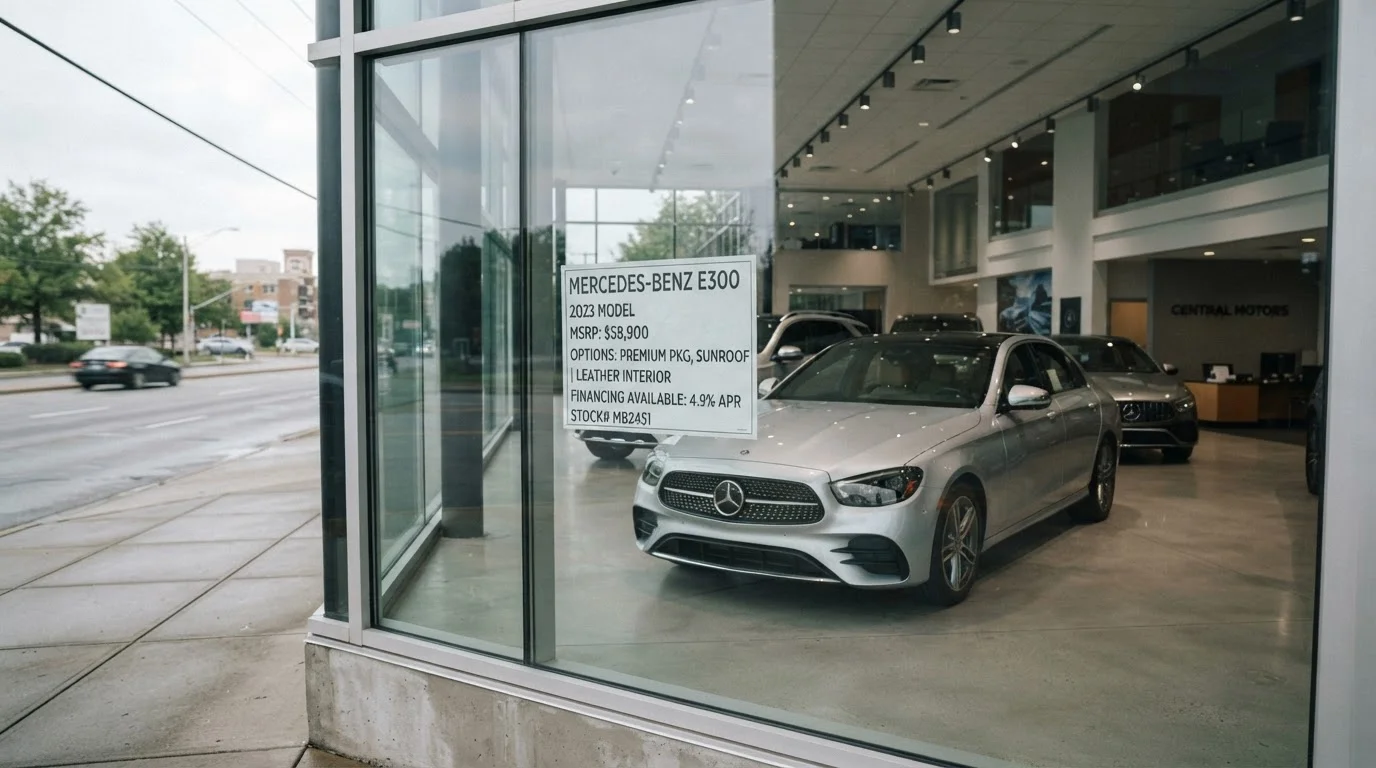
Photo credit: FaqInsider.com
In this article
MSRP is just the starting point. Learn what fees, add-ons, and financing terms can quietly inflate the real cost of a new car.
Key Takeaways
- The MSRP rarely equals the amount you'll actually pay - additional costs routinely add thousands of dollars.
- Destination charges, documentation fees, and dealer add-ons are common line items that inflate the final price.
- Taxes and registration fees are set by your state and locality - they are non-negotiable but vary widely.
- The finance office is where many hidden costs appear; understanding terms beforehand limits surprises.
- Always ask for the out-the-door price in writing before agreeing to anything.
Why the Sticker Price Is Just the Opening Number
Walk into any dealership and the first number you'll see is the MSRP - prominently displayed on the window sticker. It feels like the price. In reality, it's a baseline that doesn't account for several layers of additional cost that accumulate before you sign anything.
Understanding what sits beneath that number is one of the most practical skills a car buyer can have. See our full overview of the car-buying process to understand how pricing fits into each stage of a deal.
$1,000-$4,500+
Typical fees added beyond negotiated price
Taxes, title, registration, and dealer fees routinely add this range to the final purchase total, varying significantly by state and dealer.
$495-$999
Average documentation fee range in high-fee states
States without caps on doc fees can see dealerships charge toward the higher end of this range as a standard line item.
72 months
Common loan term length today
Longer loan terms lower monthly payments but increase total interest paid - and amplify the cost of any add-ons rolled into the balance.
Fees That Show Up on Every Deal
Certain charges appear on virtually every new-car purchase, regardless of which dealership you visit:
- Destination and delivery charge: The manufacturer's fee for shipping the vehicle from the factory to the dealership. This is non-negotiable and already included on the Monroney label - typically ranging from several hundred dollars to over $1,500 depending on the vehicle.
- Documentation fee (doc fee): A dealer-set charge for processing paperwork. Some states cap this fee; others do not. It can range from under $100 to several hundred dollars and is sometimes negotiable.
- Sales tax: Calculated as a percentage of the purchase price and determined by your state and sometimes your county or city. This is fixed and unavoidable.
- Title and registration fees: Government fees to transfer the title and register the vehicle in your name. These vary by state.
For a plain-English breakdown of what each of these terms actually means, our dealer jargon guide covers them all in one place.
Dealer Add-Ons: The Gray Zone
Beyond fixed fees lies a category of charges that dealers have more control over - and where buyers have more room to push back. Dealer-installed add-ons are accessories or protection packages applied to vehicles before they reach the lot. Common examples include paint sealant, fabric protection, window tinting, and nitrogen-filled tires.
These items may appear pre-listed on a supplemental sticker beside the Monroney label, sometimes adding hundreds or thousands of dollars. Unlike the base vehicle price, these are negotiable - and in many cases, the underlying products offer limited value over what's already built into modern vehicles.
Ask for the Supplemental Sticker Explained
Dealers are required to post the Monroney label, but a separate addendum sticker listing dealer add-ons is entirely their own document. Ask a salesperson to walk through every line on both stickers and explain what each item is and what it costs. This simple step prevents unwanted charges from slipping through unnoticed.
Before the deal moves to the finance office, ask for an itemized list of every add-on and its cost. Then decide which - if any - you actually want.
What Happens in the Finance Office
Once price and trade-in are settled, you move to the finance and insurance (F&I) office. This is where several additional costs can emerge if you aren't watching carefully.
The finance manager may present products such as extended service contracts, GAP insurance (which covers the difference between what you owe and what your insurer pays if the car is totaled), credit life insurance, and prepaid maintenance plans. Each carries a cost that gets folded into your loan balance - meaning you'll pay interest on it, too.
None of these products are mandatory for completing a purchase (unless a lender specifically requires GAP on certain deals). Take time to review the terms of any product before agreeing, and note that many of these can be purchased independently, often at a lower cost. For a focused checklist before signing, see questions worth asking before any car deal.
The Number That Actually Matters: Out-the-Door Price
The most useful figure in any car purchase is the out-the-door (OTD) price - the total you'll pay to take possession of the vehicle, including every fee, tax, and add-on. When comparing offers from multiple dealerships, this is the only number that allows an apples-to-apples comparison.
Request the OTD price in writing early in the negotiation. A reputable dealer will provide it. If a quote only lists the vehicle price or monthly payment without detailing the components, ask for a full itemized breakdown before proceeding.
This article is for general informational purposes only. Fees, taxes, and pricing practices vary by state, locality, and dealership. Consult applicable state consumer protection resources or a qualified financial professional for guidance specific to your situation.
Frequently Asked Questions

Author
Cars Editorial Team
Cars Editorial Team is the collective byline for our editorial team and contributor network. Articles published under this byline or an editorial pen name are researched, written, and reviewed according to our editorial standards for clarity, consistency, and independence before publication.
View all articles →