
A Weekly Meal-Planning Checklist for More Balanced Eating
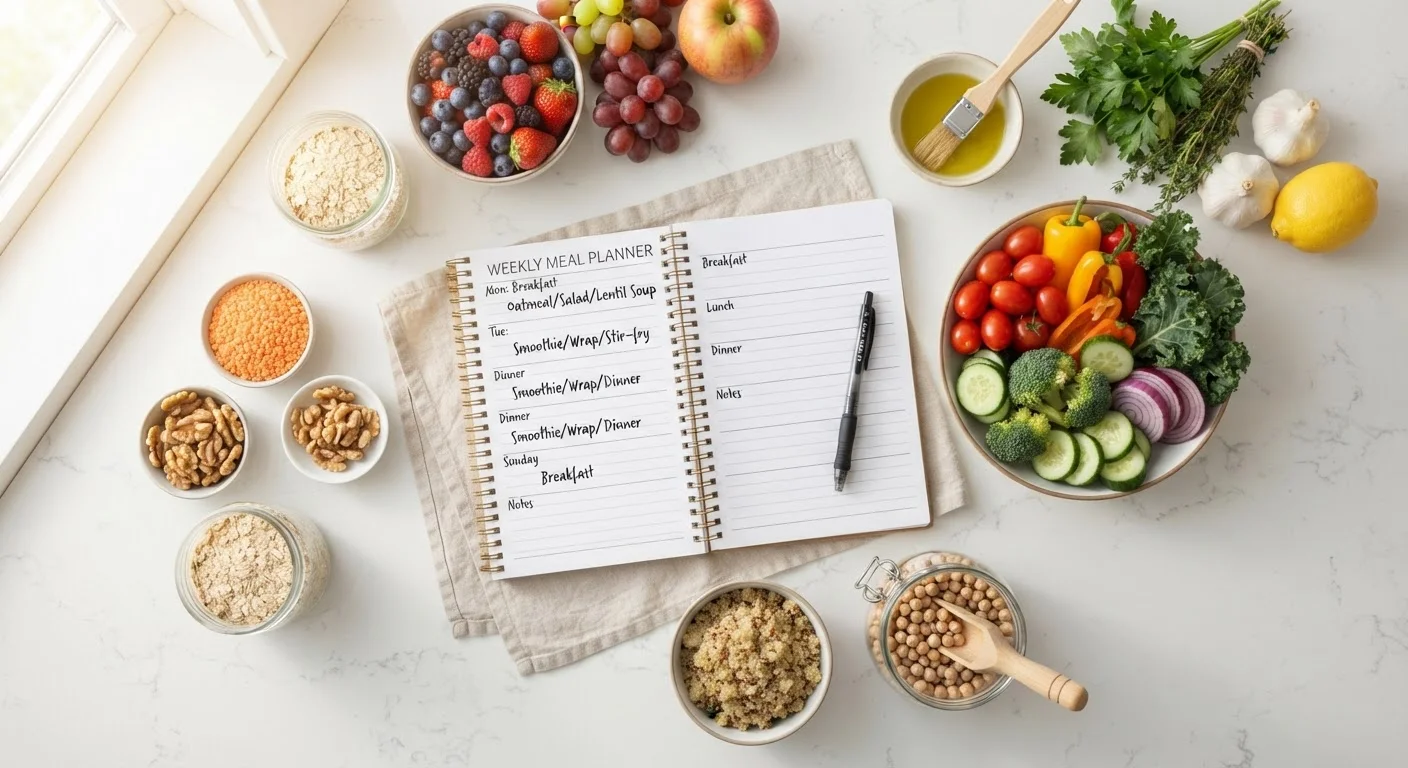
Photo credit: FaqInsider.com
In this article
Use this structured checklist to plan meals that cover nutritional variety, reduce food waste, and simplify your grocery trips.
Key Takeaways
- Planning meals weekly reduces reliance on last-minute, less nutritious food choices.
- A balanced plate should include vegetables, lean protein, whole grains, and healthy fats.
- Reviewing pantry inventory before shopping helps cut food waste and grocery costs.
- Building flexibility into your plan makes it easier to stick with over the long term.
- Batch cooking staples on one day significantly reduces weekday meal preparation time.
Why a Weekly Meal Plan Supports Better Nutrition
Research consistently shows that people who plan their meals ahead of time tend to eat more nutritional variety and are less likely to rely on heavily processed convenience foods. That's not about rigid rules - it's about reducing decision fatigue at the moments when hunger and time pressure collide.
This checklist walks you through the key steps of building a realistic, balanced weekly meal plan. You don't need to be a trained nutritionist or chef. You need a reliable process you can repeat each week. For foundational guidance on how to proportion your meals, see how to build a balanced plate before working through the planning steps below.
Work through this checklist once per week - ideally on the same day each time - and you'll gradually build a habit that supports consistent, balanced eating without constant willpower.
This Checklist Is General Guidance Only
Everyone's nutritional needs differ based on age, health status, activity level, and individual circumstances. This checklist is designed as a general organizational tool, not a personalized dietary prescription. If you are managing a chronic condition, are pregnant, or have specific dietary health concerns, please work with a qualified healthcare professional or registered dietitian.
What You'll Need Before You Start
Having the right tools in place makes the process faster and less frustrating. You don't need specialized apps or expensive equipment - most of these are things you likely already have.
Notebook or planning template
Used to map out meals for each day of the week in a format you can reference at a glance.
Grocery list (paper or app)
Keeps your shopping focused and organized by store section, reducing waste and forgotten items.
Kitchen scale or measuring cups
Helps estimate ingredient quantities when batch cooking, reducing over-purchasing.
Airtight storage containers
Essential for storing batch-cooked staples and prepped ingredients safely in the refrigerator or freezer.
A reliable nutrition reference
A trusted source - such as USDA MyPlate - to cross-check food group coverage without complicated tracking.
Your Weekly Meal-Planning Checklist
Work through each group in order. The Preparation steps set the foundation; skipping them often leads to redundant purchases and unbalanced days. The Nutritional Balance steps ensure variety across the week rather than accidentally eating the same two food groups on repeat. For more on structuring those individual meals, practical plate-building guidance offers a clear, calorie-free framework.
Preparation
Nutritional Balance
Meal Structure & Flexibility
Grocery List & Shopping
End-of-Week Review
If you're exploring more plant-forward options within your plan, a balanced look at plant-based eating covers both the nutritional advantages and the trade-offs worth considering. And for broader principles on making meal planning stick week after week, evidence-informed meal planning principles is a valuable companion read.
Avoid Over-Restricting Food Groups
Meal planning works best when it expands variety, not eliminates it. Removing entire food groups without medical or professional guidance can create nutritional gaps over time. If you have specific health conditions, allergies, or dietary requirements, consult a registered dietitian before making significant changes to your eating pattern.
This article is for general informational and educational purposes only and does not constitute medical or nutritional advice. Please consult a registered dietitian or qualified healthcare professional for guidance tailored to your individual health needs, conditions, or dietary requirements.

Author
Health & Wellness Editorial Team
Health & Wellness Editorial Team is the collective byline for our editorial team and contributor network. Articles published under this byline or an editorial pen name are researched, written, and reviewed according to our editorial standards for clarity, consistency, and independence before publication.
View all articles →