
Before You Call a Plumber: Diagnosing Common Household Water Issues
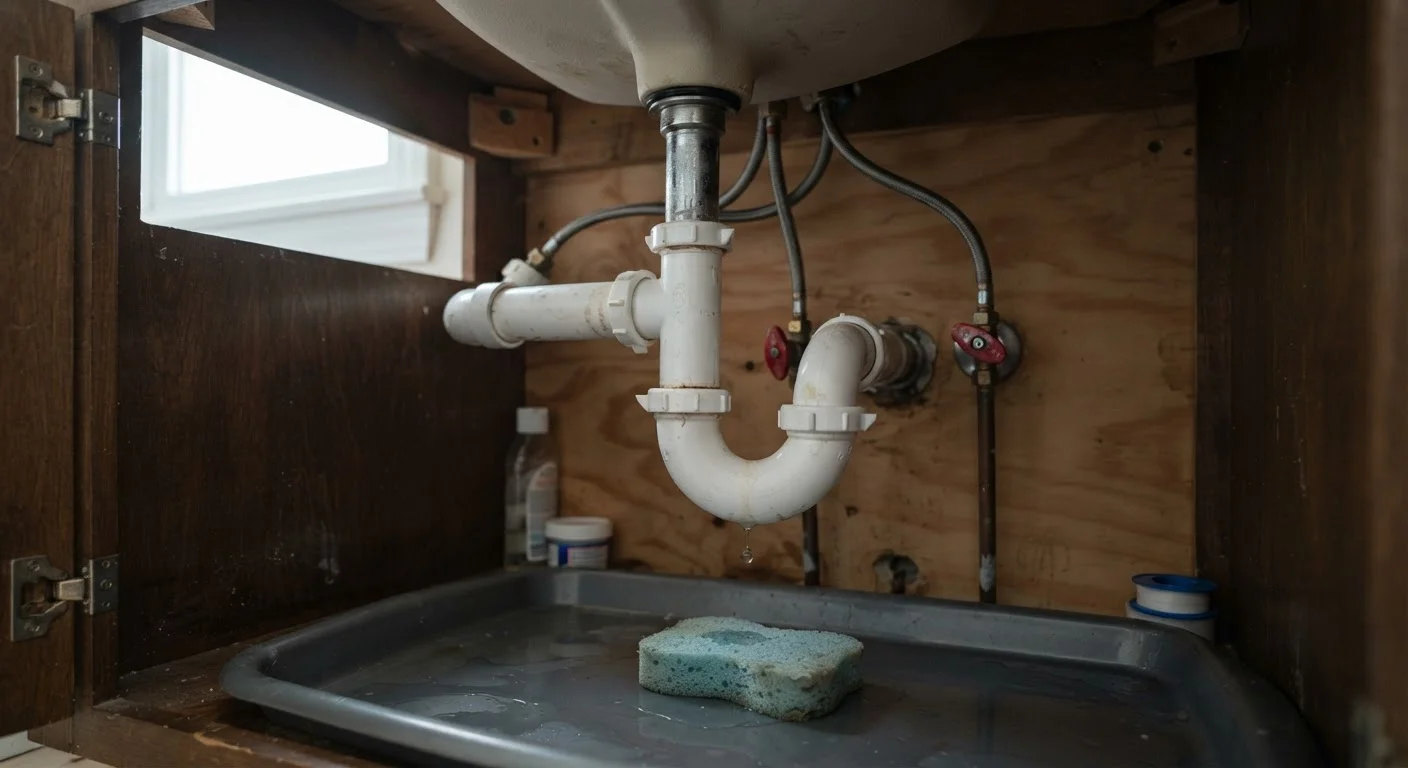
Photo credit: FaqInsider.com
In this article
Low pressure, slow drains, and mysterious leaks often have simple explanations. Learn to identify the source before spending on a service call.
What Your Water Symptoms Are Actually Telling You
Water problems rarely announce themselves clearly. A slow drain could mean a simple clog - or early signs of a venting issue. Low pressure might trace back to your aerator, your shutoff valve, or your municipal supply. Before spending money on a service call, a few minutes of systematic observation can save you significant time and cost.
| Single fixture low pressure | Usually a clogged aerator or partially closed shutoff valve |
| House-wide low pressure | Check main shutoff valve, PRV, or contact your water utility |
| Single slow drain | Local blockage - hair, soap scum near the stopper |
| Multiple simultaneous slow drains | Branch drain clog or blocked vent stack |
| Gurgling after flushing | Strong indicator of a venting problem, not just a clog |
| Water stain location | May be feet away from the actual leak source due to joist travel |
| Stain worsens after rain | Likely a roof or flashing issue, not a plumbing leak |
| Meter moves with all fixtures off | Confirms an active leak somewhere in the supply system |
The key is thinking like a diagnostic technician: isolate the symptom, narrow the location, and rule out the simplest causes first. This approach also makes you a more informed customer if you do end up calling a licensed plumber - you'll know what to describe and what questions to ask.
For a broader framework on spotting developing problems throughout your home, see this guide to reading your home's warning signs.
Low Water Pressure: Start at the Fixture, Not the Pipes
Low pressure at a single faucet almost always points to a localized cause. The aerator - the small mesh screen at the tip of the spout - collects mineral deposits and debris over time, restricting flow. Unscrew it, rinse it clean or soak it in white vinegar for 30 minutes, and reinstall. In many cases, pressure returns to normal immediately.
If pressure is low at every fixture in one area of the house, check the zone shutoff valves. These are typically located under sinks or behind access panels, and they can be accidentally knocked partially closed. A valve that is only three-quarters open will significantly reduce pressure.
When low pressure is house-wide, the problem is either at the main shutoff valve (usually near where the supply line enters the home), a pressure-reducing valve (PRV) that has worn out, or the municipal supply itself. Contact your water utility to rule out a neighborhood-level issue before assuming internal pipe failure.
Aerator
A small mesh screen attached to the tip of a faucet spout that mixes air into the water stream. It can accumulate mineral deposits and restrict water flow over time.
Pressure-Reducing Valve (PRV)
A valve installed on the main supply line that limits the water pressure entering your home from the municipal supply. A worn PRV can cause house-wide low pressure.
Vent Stack
A vertical pipe that runs from your drain system through the roof, allowing air into the drain lines so water flows freely. A blocked vent causes slow drains and gurgling sounds.
Branch Drain
A horizontal pipe that collects wastewater from multiple fixtures on the same floor and carries it to the main drain line. A clog here affects several fixtures simultaneously.
Flow Indicator
A small dial or triangle on a water meter that moves whenever water is flowing through the system. Checking it with all fixtures off helps confirm whether an active leak exists.
Slow Drains and Clogs: How to Find the Right Fix
A single slow drain - say, just the bathroom sink - is almost always a local blockage. Hair and soap scum accumulate at or just below the drain stopper. Remove the stopper (most lift out or unscrew), clean the stopper itself, and use a drain snake or zip-it tool to clear the immediate section of pipe. Avoid chemical drain openers as a first response; they can damage certain pipe materials and often just push clogs further down.
When multiple drains on the same floor drain slowly at the same time, the clog is likely in a shared branch drain. When every drain in the house is sluggish, the problem may be in the main drain line or - importantly - in the drain venting system. A blocked vent pipe restricts airflow and causes drains to gurgle and slow. This is a less obvious culprit that homeowners frequently miss.
Gurgling sounds after flushing a toilet or draining a tub are a reliable sign of a venting problem. If you hear these sounds and slow drains persist after clearing individual fixtures, a licensed plumber should inspect the vent stack. This is also worth keeping in mind if you're planning any bathroom work - common bathroom remodel mistakes often involve overlooking venting entirely.
Mysterious Leaks and Water Stains: Tracing the Source
Water stains on ceilings or walls don't always originate directly above where the stain appears. Water travels along joists and pipes before dripping, so the visible damage can be several feet from the actual leak. Start by checking any plumbing fixtures on the floor above - toilet supply lines, shutoff valves under sinks, and shower pan seals are common culprits.
If you can't find a plumbing source above the stain, consider whether the stain darkens after rainfall. That points to a roof or flashing issue rather than a plumbing leak. Condensation on cold pipes can also leave drip marks that resemble leaks; insulating cold-water pipes in humid areas often resolves this.
To confirm an active plumbing leak anywhere in the house, shut off all water-using appliances and fixtures, then check your water meter. If the meter's flow indicator is still moving, water is escaping somewhere in the system. This test won't tell you where, but it confirms a leak exists - useful information before a professional visit. For more on interpreting household warning signs, this overview of home warning signs provides helpful context.
This article is for general informational purposes only. For any plumbing work involving gas lines, main supply connections, structural concerns, or permitted work, consult a licensed professional and verify local code requirements before proceeding.

Author
Home & Garden Editorial Team
Home & Garden Editorial Team is the collective byline for our editorial team and contributor network. Articles published under this byline or an editorial pen name are researched, written, and reviewed according to our editorial standards for clarity, consistency, and independence before publication.
View all articles →