
Battery Health and the Habits That Quietly Drain It
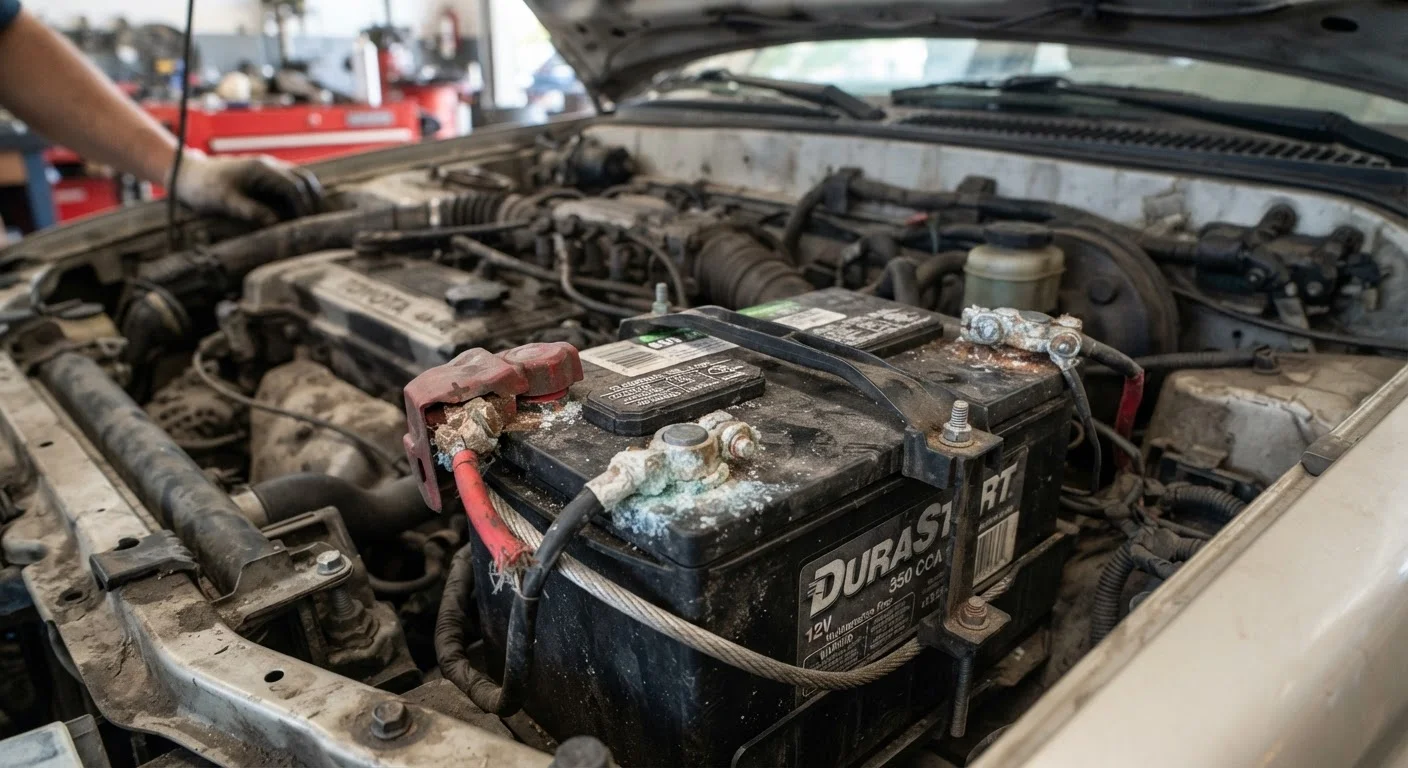
Photo credit: FaqInsider.com
Most car batteries don't fail suddenly—they degrade over time. Explore what accelerates that decline and what drivers can do to extend battery life.
Key Takeaways
- Most car batteries degrade gradually due to driver habits rather than sudden failure.
- Short trips, extreme temperatures, and parasitic drain are among the leading causes of premature battery decline.
- Simple changes to how you drive and park can meaningfully extend battery life.
- A battery that's more than three years old deserves periodic voltage testing, even when it seems fine.
Why Batteries Fail Before They Should
A car battery's job is straightforward: deliver a strong burst of power to start the engine, then recharge while the alternator runs. When that cycle gets disrupted repeatedly, the battery's internal chemistry suffers cumulative damage. Most drivers don't notice anything wrong until the car won't start - but the decline usually started months or years earlier.
Understanding what accelerates that decline is the first step toward preventing it. The habits below are among the most common culprits, and most of them are entirely fixable once you know what to look for. For a broader look at how to track your vehicle's needs proactively, see how to build a maintenance schedule for your car.
Relying almost exclusively on short trips to run errands or commute.
Why it happens: Short drives feel harmless, but the battery expends significant energy starting the engine and may not have enough run time for the alternator to fully recharge it. Repeated partial recharge cycles gradually reduce the battery's capacity.
Leaving accessories running with the engine off.
Why it happens: It's easy to sit in a parked car with the radio, climate controls, or phone charging while the engine is off. Without the alternator running, these draws pull directly from the battery's stored charge.
Ignoring the impact of extreme temperatures on battery chemistry.
Why it happens: Both excessive heat and deep cold affect how efficiently a battery holds and delivers charge, but drivers often assume temperature only matters in winter. Heat is actually a significant driver of long-term battery degradation.
Overlooking parasitic drain from aftermarket accessories or faulty wiring.
Why it happens: Aftermarket electronics - dashcams, audio systems, remote starters - can draw current even when the car is off if they're wired incorrectly. Drivers often assume the car is fully off when it's not.
Skipping periodic battery inspections because the car starts fine.
Why it happens: A battery can test poorly on a load test while still managing to start a warm engine in mild weather. Drivers reasonably interpret a successful start as a sign that everything is fine, missing the early warning window.
What You Can Do to Protect Battery Life
Battery care doesn't require specialized tools or mechanical expertise for most drivers. The most effective steps are behavioral - changing the patterns that quietly work against the battery every day.
3-5 years
Typical car battery lifespan
According to AAA, most conventional lead-acid car batteries last between three and five years under normal driving conditions, with heat and irregular use shortening that range.
~61%
Batteries that fail without prior warning
AAA research has found that a substantial majority of battery failures occur without any warning signs the driver noticed, underscoring the value of proactive testing.
If your vehicle sits unused for more than a week or two at a time, a low-amp battery maintainer (sometimes called a trickle charger) can keep the charge level stable without overcharging. This is especially useful for seasonal vehicles or second cars. When a battery is already three or more years old, asking a mechanic or auto parts store to run a load test - which checks how well the battery holds voltage under demand - can give you advance warning before a failure happens. Some of these checks fall into the category of tasks any driver can handle with a little guidance; learn which maintenance tasks are safe to do yourself and which are better left to a professional.
Don't Attempt to Jump-Start a Visibly Damaged Battery
If a battery shows signs of cracking, leaking fluid, or a swollen case, do not attempt to jump-start it. A compromised battery can vent flammable hydrogen gas or, in rare cases, rupture. Have the vehicle towed to a qualified mechanic for a safe assessment and replacement.
Treating battery health as part of your regular maintenance rhythm - rather than something to address only after a problem appears - is what separates drivers who rarely deal with unexpected breakdowns from those who don't. The same principle applies to safe driving habits that hold up over a lifetime: small, consistent decisions compound over time.

Author
Cars Editorial Team
Cars Editorial Team is the collective byline for our editorial team and contributor network. Articles published under this byline or an editorial pen name are researched, written, and reviewed according to our editorial standards for clarity, consistency, and independence before publication.
View all articles →