
Buying New Construction vs. an Existing Home
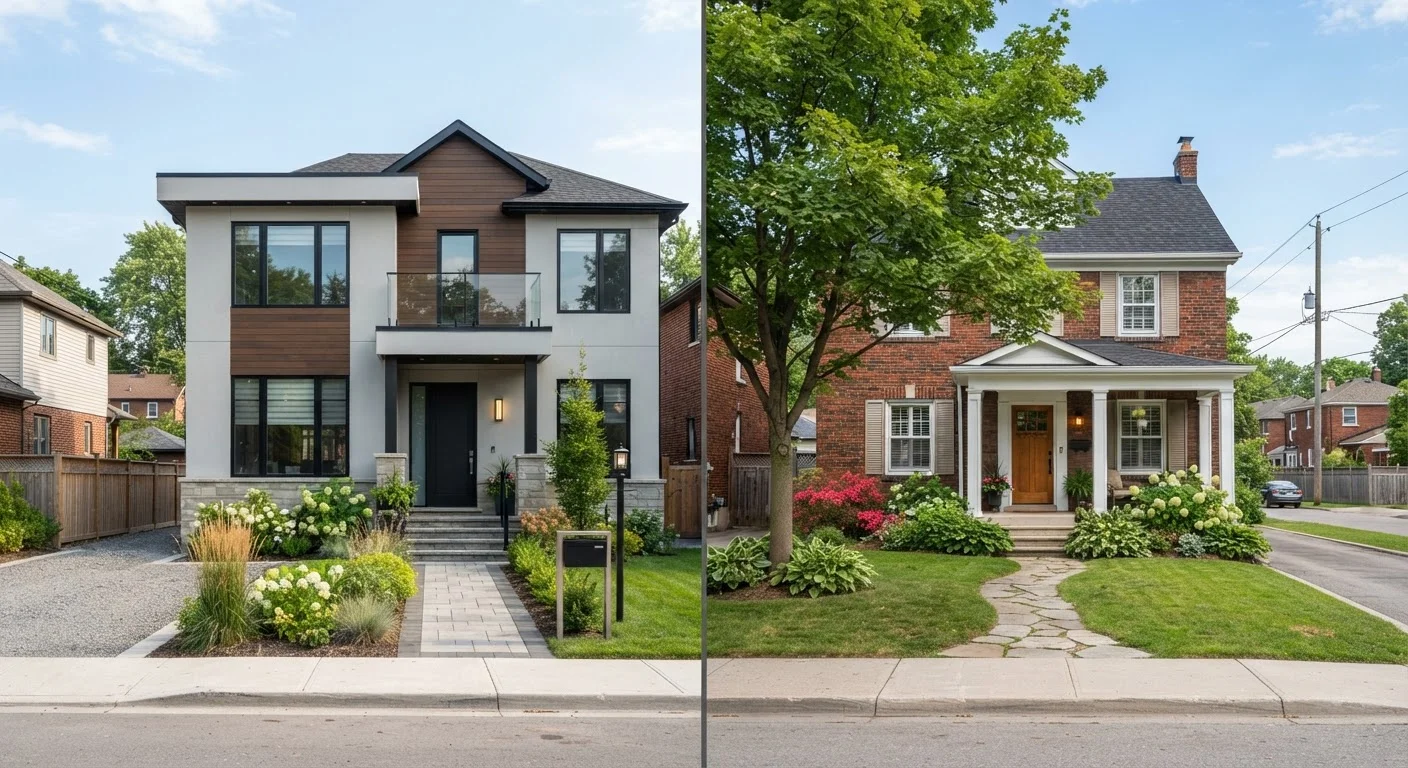
Photo credit: FaqInsider.com
In this article
New builds and resale homes each come with distinct trade-offs. Here's how the two paths differ across cost, timing, and condition.
Key Takeaways
- New construction typically costs more upfront but comes with warranties and modern systems that reduce near-term repair costs.
- Existing homes usually offer more established neighborhoods, mature landscaping, and faster move-in timelines.
- Builder incentives on new construction can offset some costs, but buyers should review contracts carefully with legal help.
- Resale homes may require immediate repairs or upgrades, which should be factored into your total budget.
- Your timeline, budget flexibility, and tolerance for uncertainty are the deciding factors between the two paths.
The Core Difference: What You're Actually Buying
When you purchase a newly built home, you're buying a property - and often a process. Depending on the construction stage, you may be selecting finishes, waiting months for a certificate of occupancy, and navigating a builder's contract rather than a standard purchase agreement. With an existing home, you're buying a known quantity: a property you can walk through, inspect, and close on within a typical 30-60 day window.
This distinction shapes nearly every other comparison. For buyers weighing both options, it's worth understanding that the decision isn't simply about the house itself - it's about the buying experience, the timeline, and the risks each path carries. For a broader look at the rent-versus-own question that often precedes this choice, see Renting vs. Buying a Home: Weighing the Trade-Offs.
Cost: Purchase Price, Hidden Costs, and Long-Term Maintenance
New construction homes generally carry a higher median price per square foot than comparable existing homes. According to U.S. Census Bureau data, new single-family homes have consistently sold at a premium over existing homes, though the gap varies by region and market conditions.
However, the sticker price isn't the full picture. New builds often include builder warranties - commonly one year on workmanship, two years on mechanical systems, and ten years on structural defects - which can reduce maintenance costs in the early years of ownership. Existing homes may require immediate repairs, system upgrades, or cosmetic updates that add to your true first-year costs.
On the other hand, new construction often comes with premium upgrade temptations - granite countertops, extended cabinetry, flooring upgrades - that can push a base-price home significantly over budget. Buyers should establish firm limits on upgrades before visiting a builder's design center.
| New Construction | Existing Home | |
|---|---|---|
| Typical Purchase Price | Higher median price per sq. ft. | Generally lower price per sq. ft. |
| Move-In Timeline | 6-18+ months if not yet built | 30-60 days after accepted offer |
| Customization | Floor plans and finishes selectable | Limited to post-purchase renovations |
| Near-Term Maintenance | Low; covered by builder warranties | Variable; depends on property condition |
| Contract Type | Builder contract; less buyer-friendly | Standard purchase agreement; negotiable |
| Neighborhood Character | Developing; may feel sparse initially | Established community and infrastructure |
| Inspection Process | Phased inspections during construction | Single pre-purchase inspection standard |
For context on how new housing supply affects pricing broadly, our analysis of new construction data and housing market trends explains what building permits and housing starts actually signal.
Timeline, Negotiation, and Contract Differences
One of the most underappreciated differences is how each transaction is structured. When buying an existing home, you're negotiating with a seller - often a private individual - using a standard real estate purchase agreement. Contingencies for inspection, financing, and appraisal are common and expected.
Builder contracts, by contrast, are written to protect the builder. They may limit your ability to walk away, lock in your financing with the builder's preferred lender, and include clauses that allow construction timelines to shift without penalty to the builder. Independent legal review of a builder's contract before signing is strongly advisable.
Always Hire an Independent Real Estate Attorney
Builder contracts are written by the builder's legal team and are designed to favor the builder. Before signing, have an independent real estate attorney - not the builder's preferred closing attorney - review all terms, including delay clauses, deposit forfeiture provisions, and financing contingencies. This step can prevent costly surprises down the line.
Move-in timelines also differ dramatically. An existing home purchase can close in 30-45 days. A new construction home - depending on where it sits in the build cycle - may be six months to over a year away from occupancy. Delays due to labor shortages, permitting issues, or supply chain disruptions are not uncommon. If you're working with a lease end date or school enrollment deadline, that uncertainty matters.
Buyers navigating a low-inventory environment face additional pressure on both fronts. New Construction vs. Existing Homes in a Tight Market walks through how competition shifts the trade-offs.
Condition, Customization, and Community
New homes offer something resale properties rarely can: the chance to select finishes, floor plans, and sometimes structural options before construction is complete. For buyers with specific accessibility needs or design preferences, this flexibility has genuine value.
Existing homes, however, often sit in more established settings - neighborhoods with mature trees, sidewalks, nearby schools with known reputations, and community character that takes years to develop. New construction communities can feel sparse in their early years, and HOA rules in planned developments may be more restrictive than buyers anticipate.
Condition is another variable. A well-maintained older home with recent system updates can be a sound investment. But buyers should budget for the possibility that a pre-purchase inspection reveals deferred maintenance - aging HVAC systems, older roofing, or outdated electrical panels - that requires attention. If renovations follow your purchase, our Home Improvement hub covers what to expect across common upgrade projects.
Ultimately, the choice comes down to what you value more: the certainty and character of an existing property, or the newness and customization of a build. Neither is without compromise.
This article is for general informational purposes only and does not constitute financial, legal, or real estate advice. Consult a licensed real estate professional and independent legal counsel before entering any purchase agreement.

Author
Real Estate Editorial Team
Real Estate Editorial Team is the collective byline for our editorial team and contributor network. Articles published under this byline or an editorial pen name are researched, written, and reviewed according to our editorial standards for clarity, consistency, and independence before publication.
View all articles →