
Annual Vet Visits: What Actually Happens and Why They Matter
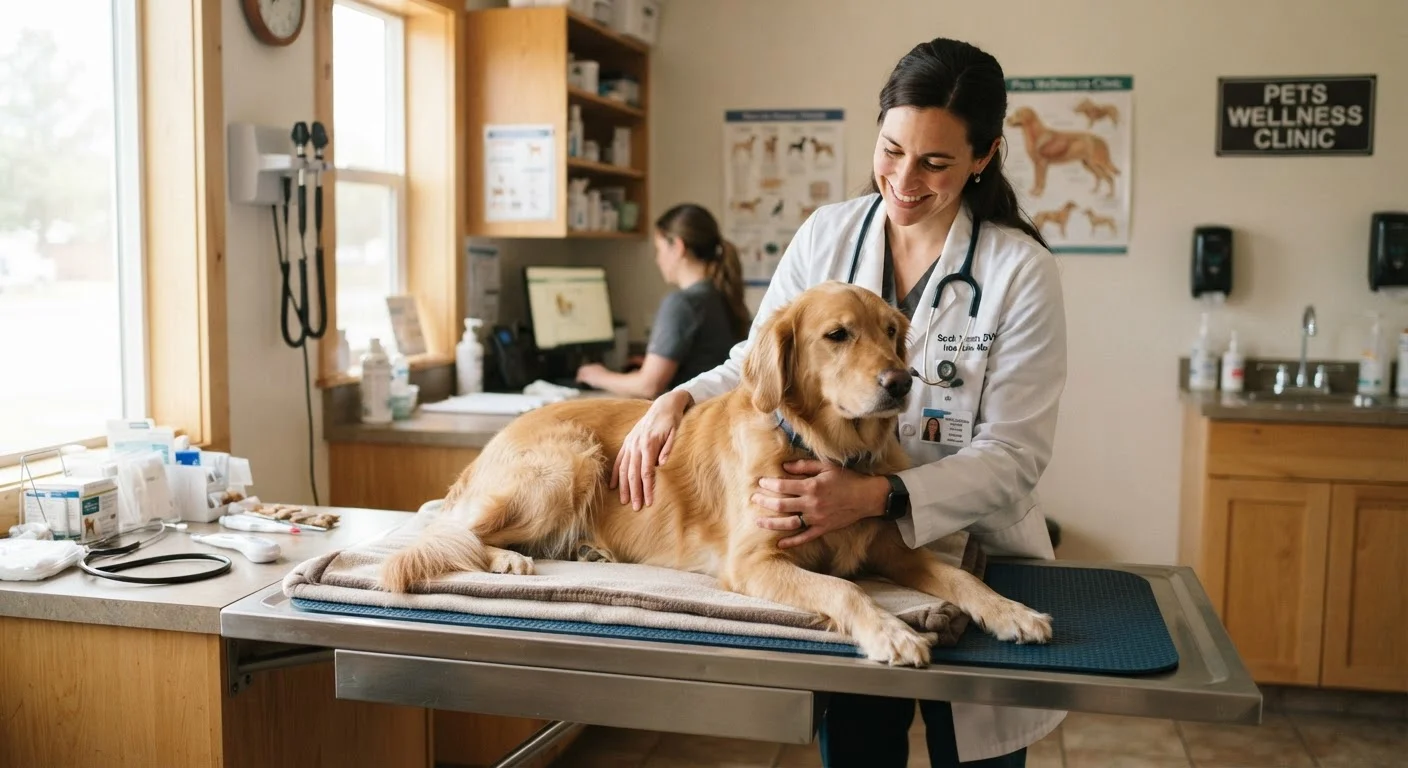
Photo credit: FaqInsider.com
In this article
Routine checkups aren't just for sick pets. Here's a plain-language breakdown of what vets look for during a standard wellness exam and why it's worth the trip.
Key Takeaways
- Annual vet visits focus on prevention, not just treating illness.
- Vets check eyes, ears, teeth, heart, lungs, skin, weight, and more in a single exam.
- Bloodwork and parasite screening can reveal hidden health issues before symptoms appear.
- Vaccine updates and parasite prevention are typically confirmed or adjusted at each visit.
- A consistent vet relationship helps detect gradual changes that one-off visits can miss.
- Senior pets often benefit from more frequent checkups than once a year.
The Anatomy of a Wellness Visit
When you arrive for an annual exam, the visit typically follows a predictable sequence. A technician usually starts by recording your pet's weight, temperature, pulse, and respiratory rate - the four core vital signs. They may also ask you about diet, activity level, water intake, and any changes you've noticed at home.
The veterinarian then conducts the physical exam itself, which covers more ground than many owners expect. In roughly 15-30 minutes, a skilled vet assesses:
- Eyes and ears - checking for discharge, inflammation, infection, or early signs of disease
- Teeth and gums - dental disease is one of the most common and most overlooked conditions in dogs and cats
- Lymph nodes - enlarged nodes can signal infection or immune system activity
- Heart and lungs - a stethoscope exam can reveal murmurs, irregular rhythms, or fluid sounds
- Abdomen - palpation helps detect organ size changes, masses, or discomfort
- Skin and coat - dryness, lumps, parasites, and coat quality all tell a story
- Musculoskeletal system - joint stiffness or muscle loss, especially in older pets, gets flagged here
For a deeper look at what each of these checks involves, our wellness visit explainer walks through the exam in detail.
Make the Most of Your Appointment Time
Write down any changes you've noticed - in appetite, energy, bathroom habits, or behavior - before you arrive. Vets can only act on information you share, and small observations from home often turn out to be clinically meaningful. A few notes on your phone is all you need. See our pre-visit preparation guide for a complete checklist.
Bloodwork, Parasite Screening, and Vaccines
Beyond the hands-on exam, your vet may recommend diagnostic tests depending on your pet's age, lifestyle, and previous results. These aren't upsells - they're tools that reveal what a physical exam can't.
Bloodwork provides a baseline for organ function. A complete blood count (CBC) and chemistry panel can flag early kidney or liver changes, thyroid abnormalities, diabetes, and anemia - often before any outward symptoms appear. Senior pets especially benefit from annual panels.
Fecal testing checks for intestinal parasites like roundworms, hookworms, and Giardia. Many of these parasites shed eggs inconsistently, so a single negative result isn't always definitive, but annual screening remains a useful standard.
Heartworm testing is typically recommended annually for dogs and for cats in heartworm-prevalent regions. Because heartworm disease can develop even with prevention, confirming negative status yearly is considered good practice.
Vaccine review is a core part of every wellness visit. Your vet will look at your pet's vaccination history and determine what's due - core vaccines like rabies and distemper, as well as lifestyle-based vaccines like bordetella for dogs who frequent boarding or dog parks. Good record-keeping matters here. Health records over time help your vet make smarter decisions at every visit.
~85%
Pets showing dental disease by age three
According to the American Veterinary Medical Association, most dogs and cats have some degree of dental disease by age three - often undetected without a professional exam.
2x
Recommended exam frequency for senior pets
Many veterinary guidelines recommend twice-yearly wellness exams for dogs and cats considered senior, generally defined as age seven and older for most breeds.
1 in 100
Dogs test heartworm positive annually
The American Heartworm Society estimates roughly one percent of dogs test heartworm positive each year in the U.S., underscoring the value of annual screening even with prevention in place.
Why Consistency Matters More Than You Might Think
One of the most underappreciated benefits of annual vet visits isn't any single test - it's the longitudinal picture they build. A vet who has seen your dog every year for five years has a mental and written baseline. They know what your pet's heart sounds like at its best. They know what's normal for that animal's weight. That context is genuinely valuable when something subtle shifts.
This is different from the one-time snapshot a new vet gets on a first visit. Gradual changes - a slow weight gain, a heart murmur developing in early stages, a skin tag that wasn't there last year - are far easier to notice when there's a known baseline to compare against.
For pet owners wondering whether annual visits are worth it versus going only when something seems wrong, the tradeoffs of scheduled versus reactive care are worth understanding clearly.
Between visits, you can stay engaged with your pet's health through regular at-home checks. A monthly nose-to-tail self-check helps you notice what's normal so you can flag changes to your vet when they matter. If cost is a concern, strategies for keeping vet costs manageable can help you maintain consistent preventive care without financial stress.
This article provides general educational information about veterinary wellness care and is not a substitute for professional veterinary advice. Always consult a licensed veterinarian for guidance specific to your pet's health needs.
Senior Pets May Need More Than Once a Year
For dogs and cats generally considered senior - typically age seven and older, though this varies by species and size - many veterinarians recommend wellness exams every six months rather than annually. Older pets can experience faster-moving health changes, and more frequent visits allow for closer monitoring. Ask your vet what schedule makes sense for your pet's age and health history.
Frequently Asked Questions

Author
Pets & Animals Editorial Team
Pets & Animals Editorial Team is the collective byline for our editorial team and contributor network. Articles published under this byline or an editorial pen name are researched, written, and reviewed according to our editorial standards for clarity, consistency, and independence before publication.
View all articles →