
Car Fluids Demystified: What Each One Does and When to Check It
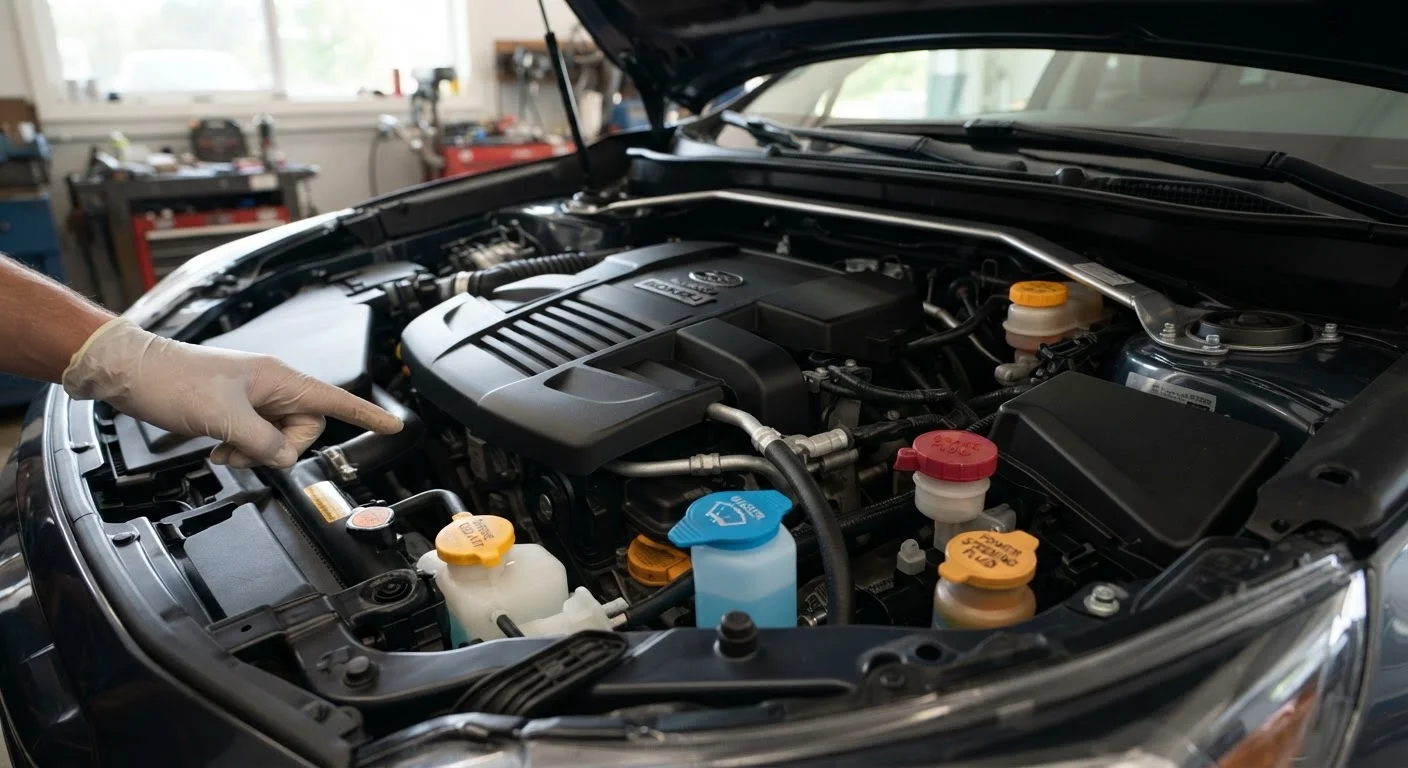
Photo credit: FaqInsider.com
In this article
From coolant to brake fluid to power steering fluid—learn what each vehicle fluid does, where to find it, and how to spot warning signs of a problem.
Key Takeaways
- Your car depends on six key fluids to operate safely-each one serves a distinct function.
- Most fluids can be visually inspected in minutes with no special tools required.
- Low or dirty fluid is often an early warning sign of a developing mechanical problem.
- Checking fluids regularly costs nothing and can prevent expensive repairs down the road.
- Unusual color, smell, or texture in any fluid warrants prompt attention from a mechanic.
Why Vehicle Fluids Matter
Your car is a complex system of moving parts, heat-generating processes, and hydraulic forces-and fluids are what keep all of it functioning. They lubricate, cool, clean, transmit force, and protect critical components from wear. When any one of them drops too low or degrades past its useful life, the consequences range from reduced performance to serious mechanical failure.
The good news: monitoring your vehicle's fluids is one of the simplest, most cost-effective things you can do as a car owner. You don't need specialized tools or technical training-just a basic understanding of what each fluid does and what to look for. This guide is a foundational part of the broader routine maintenance picture every driver should understand.
The Six Essential Car Fluids
Most passenger vehicles rely on the following six fluids. Each serves a specific purpose, and each has its own inspection routine.
Dipstick
A long, thin metal rod inserted into the engine oil reservoir that lets you measure the oil level and check its condition without opening the engine.
Hydraulic fluid
A liquid used to transmit mechanical force through a closed system of lines and cylinders-used in braking and power steering systems.
Hygroscopic
A material or fluid that naturally absorbs moisture from the surrounding air over time, which can degrade its performance.
Coolant reservoir
A small plastic tank connected to the radiator that holds overflow coolant and lets you check the coolant level safely without opening the radiator cap.
Viscosity
A measure of how thick or thin a fluid is and how easily it flows-engine oil viscosity ratings like 5W-30 describe this property.
Firewall
The metal barrier separating the engine compartment from the passenger cabin, where several fluid reservoirs-including brake fluid-are commonly mounted.
Engine Oil
Engine oil lubricates the moving metal components inside your engine, reducing friction and carrying away heat. It also suspends contaminants so they can be captured by the oil filter. Oil degrades over time and loses its protective properties, which is why regular oil changes are so important. Check the level using the dipstick-wipe it clean, reinsert it fully, then pull it out to read the level.
Coolant (Antifreeze)
Coolant circulates through your engine and radiator to regulate temperature, preventing both overheating and freeze-ups. It's typically a 50/50 mix of water and antifreeze. Check the level in the translucent reservoir under the hood-never open the radiator cap on a hot engine, as pressurized steam can cause serious burns.
Brake Fluid
Brake fluid transmits the force you apply to the brake pedal through hydraulic lines to the brake calipers or drums at each wheel. It's hygroscopic, meaning it absorbs moisture over time, which lowers its boiling point and reduces braking effectiveness. Check the level in the small reservoir near the firewall and note the fluid's color-it should be pale yellow, not dark brown.
Transmission Fluid
Transmission fluid lubricates the gears and internal components of your transmission, whether automatic or manual. In automatic transmissions, it also serves as a hydraulic fluid. Many modern vehicles have sealed transmissions with no dipstick; check your owner's manual for the recommended service interval.
Power Steering Fluid
Power steering fluid makes it easier to turn the steering wheel by providing hydraulic assistance. Many newer vehicles use electric power steering and have no fluid reservoir, but traditional hydraulic systems do. Check the reservoir under the hood and note that some vehicles share this fluid with the transmission.
Windshield Washer Fluid
While not mechanical in nature, washer fluid is safety-relevant-clear visibility matters. Use a product rated for your climate, as plain water can freeze in the reservoir and lines during cold months. This is discussed further in our seasonal vehicle preparation guide.
How to Check Your Fluids
Most fluid checks take less than five minutes and require only a clean rag. For best results, check fluids when the engine is cold or has been off for at least 10-15 minutes-hot engines and pressurized systems can be hazardous to open.
Build a Simple Fluid Check Habit
Pick one day a month-such as the first Sunday-to do a quick fluid walkthrough. It takes less than five minutes and gives you an early heads-up on anything that's dropping or changing. Keeping a small notepad in your glove box to log levels and dates makes it easy to spot trends over time.
- Park on level ground. Dipstick readings and reservoir levels are only accurate when the car isn't on a slope.
- Open the hood and locate each reservoir. Most caps are color-coded or labeled; refer to your owner's manual if you're unsure.
- Check oil with the dipstick. Look for level (between MIN and MAX marks) and color-golden or amber is healthy, dark black or gritty means it's due for a change.
- Inspect coolant through the reservoir window. It should be between the LOW and FULL lines. Note the color.
- Check brake fluid level in its reservoir. It's normal for the level to drop slightly as brake pads wear, but a significant drop deserves investigation.
- Review your owner's manual for intervals and specs on transmission and power steering fluid, as these vary widely by vehicle.
For vehicles with over 100,000 miles, more frequent checks are advisable-see our guide on maintaining high-mileage vehicles for specifics.
Warning Signs You Shouldn't Ignore
Your car often signals a fluid problem before it becomes an emergency. Knowing what to watch for lets you respond early. Dashboard warning lights-like the oil pressure or temperature gauge-are one alert system, and our dashboard warning light guide explains what each one means.
- Puddles or spots under your parked car: Oil is dark brown or black; coolant is brightly colored with a sweet smell; brake fluid is thin and clear to light yellow. Any active leak warrants prompt evaluation.
- Burning smell from the engine compartment: Can indicate oil or coolant contacting hot engine surfaces.
- Spongy or soft brake pedal: May point to air in the brake lines or low brake fluid-treat this as urgent.
- Overheating temperature gauge: Often indicates low coolant or a cooling system fault. Pull over safely and do not continue driving.
- Whining noise when turning: A common symptom of low power steering fluid in hydraulic systems.
- Rough shifting or transmission slipping: Low or degraded transmission fluid is a common contributor.
When to Call a Mechanic
Topping off washer fluid is something any driver can do. But several fluid-related issues require a qualified mechanic's diagnosis. Don't attempt to repair hydraulic brake lines, address internal transmission problems, or diagnose the source of a coolant leak on your own-these systems involve high pressure, heat, and safety-critical components.
As a general rule: if a fluid level keeps dropping even after you top it off, there's an underlying problem that adding more fluid won't fix. Similarly, if you notice a sudden, dramatic change-a temperature spike, brake pedal change, or warning light-pull over safely and seek professional help rather than continuing to drive. Staying informed about fluid basics is a cornerstone of safe driving habits that protect both you and your vehicle.
This article is intended for general educational purposes only. Always consult your vehicle's owner's manual and a qualified mechanic for guidance specific to your car's make, model, and condition.
Frequently Asked Questions

Author
Cars Editorial Team
Cars Editorial Team is the collective byline for our editorial team and contributor network. Articles published under this byline or an editorial pen name are researched, written, and reviewed according to our editorial standards for clarity, consistency, and independence before publication.
View all articles →