
Where Your Money Actually Goes: Understanding Fixed vs. Variable Expenses
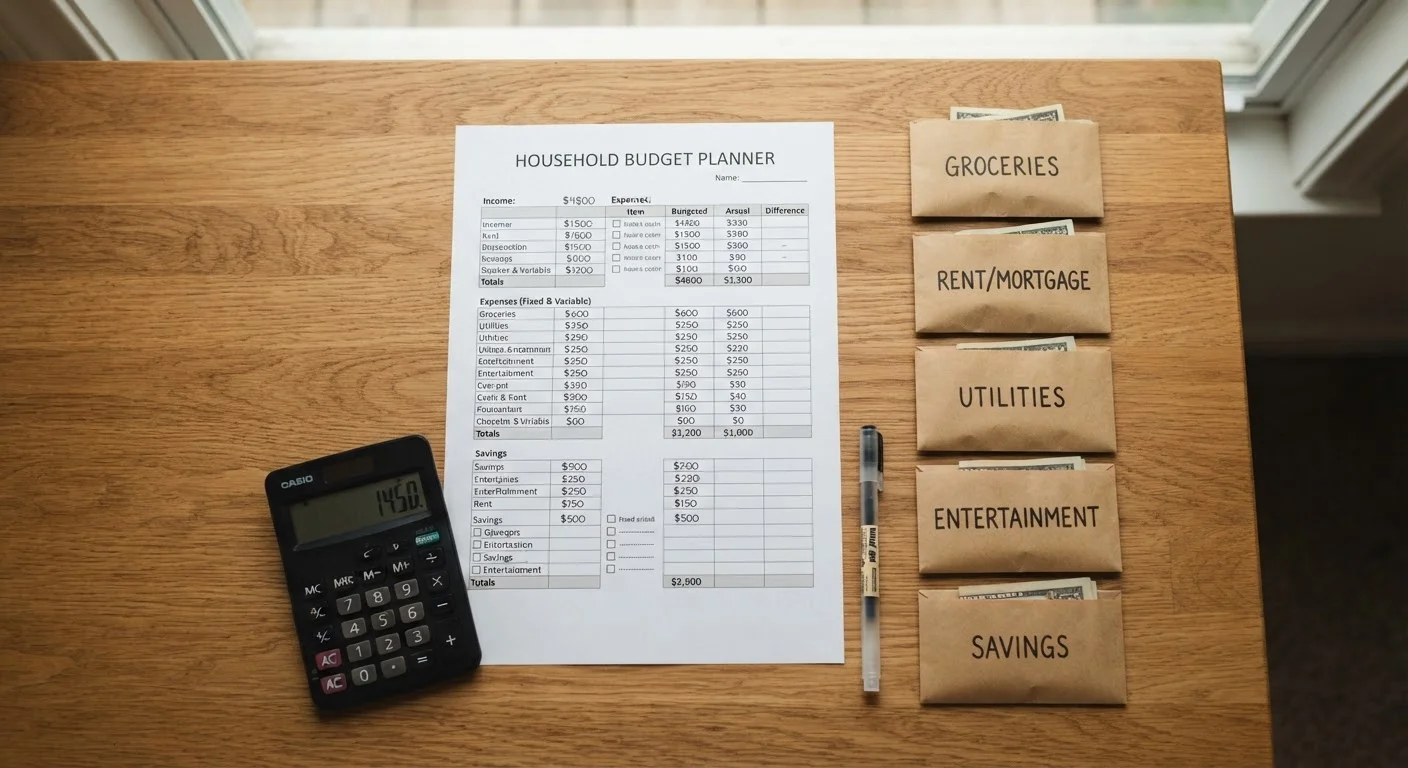
Photo credit: FaqInsider.com
In this article
Fixed and variable expenses behave very differently in a budget. Understanding the distinction is one of the most useful things a new budgeter can learn.
Key Takeaways
- Fixed expenses are predictable and the same amount each billing cycle.
- Variable expenses fluctuate and offer the most flexibility for cutting spending.
- Knowing both types is the foundation of any effective budget.
- Irregular expenses - like annual fees - are easy to forget but important to plan for.
- You can lower some fixed costs, but it usually takes deliberate action like renegotiating or refinancing.
The Basic Idea: Predictable vs. Unpredictable
When you sit down to track your spending, not all expenses behave the same way. Some are locked in - the same dollar amount appears on your statement every month without fail. Others shift up or down depending on what you bought, how much you used, or what choices you made that week.
This is the core distinction between fixed expenses and variable expenses. It's one of the first concepts worth learning if you're building a budget for the first time, because once you see which costs are predictable and which aren't, the whole picture becomes much easier to manage.
Fixed expenses include things like rent, a mortgage payment, a car loan, or a gym membership billed at the same rate each month. You know exactly what's coming out - there's no guessing involved.
Variable expenses include groceries, gas, utilities (which shift by season), dining out, clothing, and anything else where the amount varies. These costs respond directly to your behavior and circumstances.
~33%
Average share of income spent on housing alone
U.S. Bureau of Labor Statistics Consumer Expenditure Survey data consistently shows housing as the single largest expense category for American households.
60%+
Of monthly spending that is often fixed or semi-fixed
Financial planning research suggests most households commit the majority of their income to fixed obligations before any discretionary spending begins.
$1,000+
Typical annual irregular expense total many budgets miss
When irregular costs like car registration, medical copays, and annual subscriptions are tallied, they frequently add up to a significant unplanned sum each year.
Why the Distinction Actually Matters for Budgeting
Separating your spending into these two categories does something useful: it shows you where you have control right now versus where your options are more limited.
If money is tight this month, you can't easily lower your rent by $200 overnight. But you might be able to reduce your grocery bill, cut a few restaurant meals, or drive less. Variable expenses are where most short-term budget flexibility lives.
Fixed expenses, by contrast, require bigger decisions to change - refinancing a loan, moving to a less expensive home, or canceling a service entirely. Those changes are worth considering, but they take more time and planning. Understanding that distinction helps you avoid frustration when the math doesn't immediately add up.
This framework also helps you build a more realistic budget. When you know which expenses are stable and which will swing month to month, you can set more honest spending targets rather than assuming every category behaves the same way. See our guide to common budgeting methods to find an approach that builds on this foundation.
Label Every Expense Before You Budget
Before deciding how to allocate money, go through your last two or three months of bank and credit card statements and tag each expense as fixed, variable, or irregular. This single exercise gives you a clearer view of your actual spending patterns than any estimate or template can. It only takes 30-45 minutes and is one of the most useful things a new budgeter can do.
The Category That Often Gets Missed: Irregular Expenses
There's a third type of expense that doesn't fit perfectly into either bucket, and it's one of the most common reasons budgets fall apart: irregular or periodic expenses. These are costs that are predictable in theory - you know they're coming - but easy to forget because they don't show up every month.
Examples include car registration, annual insurance premiums, holiday gifts, back-to-school supplies, and home maintenance. For a deeper look at what commonly gets left out, see our article on spending categories most budgets forget.
A practical way to handle these: add up all the irregular expenses you can think of for the year, divide by 12, and set that amount aside each month into a separate savings buffer. That way, when the expense arrives, the money is already waiting. The Saving & Emergency Funds hub has more on how to build this kind of financial cushion.
Putting It Together: A Simple Starting Point
You don't need a complicated spreadsheet to apply this. Start by listing every expense you paid last month and labeling each one as fixed, variable, or irregular. Most people find that the fixed expenses take up a large, relatively stable share of income - often housing, transportation, and insurance alone account for more than half of monthly spending.
Once you can see that breakdown, you'll know where to focus. If your fixed costs are eating up too much of your income, that's a signal to look at longer-term changes - like whether your housing cost is sustainable, or whether any loans could be refinanced. If your variable spending is the problem, you have more immediate options to adjust. For context on how fixed-rate structures work in borrowing, our article on fixed-rate vs. adjustable-rate mortgages explains the tradeoffs.
This exercise is also useful outside of monthly household budgets. When planning a trip, for example, some costs - like flights or hotel bookings - are fixed once purchased, while others, like food or activities, are variable. Our Travel on a Budget hub applies this same thinking to trip planning.
This article is for general informational and educational purposes only and does not constitute personalized financial advice. Consult a qualified financial professional for guidance specific to your situation.
Frequently Asked Questions

Author
Finance Editorial Team
Finance Editorial Team is the collective byline for our editorial team and contributor network. Articles published under this byline or an editorial pen name are researched, written, and reviewed according to our editorial standards for clarity, consistency, and independence before publication.
View all articles →