
A Plain-Language Glossary of Debt and Credit Terms
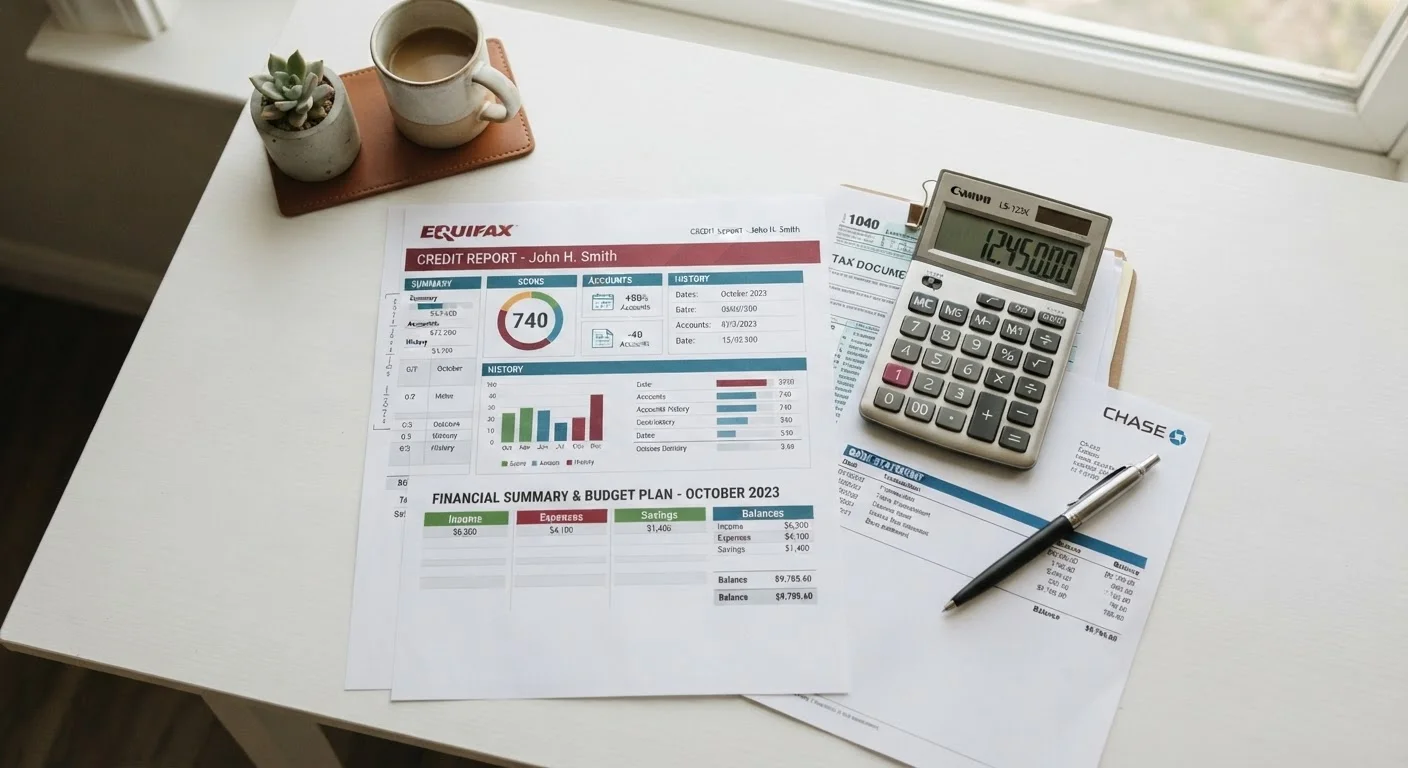
Photo credit: FaqInsider.com
APR, charge-off, hard inquiry, utilization — a quick-reference glossary of the debt and credit terms consumers encounter most often.
Why Credit Vocabulary Matters
When you apply for a loan, review a credit card statement, or try to understand a collections notice, you're likely to encounter terms that weren't taught in school. Misreading one of them - say, confusing APR with APY, or misunderstanding what a charge-off actually means - can lead to costly decisions.
This glossary covers the terms you're most likely to see on statements, contracts, and credit reports. If you're newer to borrowing, the starter's guide to loans and credit offers helpful context for how these concepts fit together. And if you're managing savings alongside debt, the key terms every saver should understand covers the other side of your financial picture.
| Credit score range (FICO) | 300-850 (myFICO.com) |
| Recommended credit utilization | Below 30% (Consumer Financial Protection Bureau guidance) |
| Time a charge-off stays on credit report | Up to 7 years (Fair Credit Reporting Act (FCRA)) |
| Typical charge-off timeline | 120-180 days past due (Federal Reserve Regulation Z guidelines) |
| Hard inquiry score impact duration | Up to 12 months (FICO scoring model general guidance) |
The Glossary: A-Z Debt and Credit Terms
The terms below are grouped loosely by theme - credit scoring, borrowing costs, and debt status - to make scanning easier.
APR (Annual Percentage Rate)
The yearly cost of borrowing, expressed as a percentage. It includes the interest rate plus most fees, making it a more complete picture of loan cost than the interest rate alone. Use APR to compare loan or card offers on an apples-to-apples basis.
Credit Utilization
The percentage of your total revolving credit limit that you're currently using. For example, a $3,000 balance on a $10,000 limit equals 30% utilization. Lower utilization generally signals lower risk to lenders and tends to support higher credit scores.
Hard Inquiry
A credit check initiated when you formally apply for credit - a loan, card, or mortgage. Hard inquiries appear on your credit report and can lower your score slightly for a short period. Multiple inquiries for the same type of loan within a short window are typically counted as one.
Soft Inquiry
A credit check that does not affect your score. Examples include checking your own credit, pre-qualification screenings, and background checks by employers. Only you can see soft inquiries on your report.
Charge-Off
When a lender writes off a debt as a loss after prolonged non-payment - typically after 120-180 days. A charge-off is an accounting action by the lender, not debt forgiveness. You still legally owe the balance, and the account status severely damages your credit report.
Delinquency
The status of an account when a payment is past due. Lenders may report delinquency to credit bureaus after 30 days, and the negative mark worsens the longer the account remains unpaid (30, 60, 90 days, etc.).
Amortization
The process of paying off a loan through regular payments over time. Early payments go mostly toward interest; later payments shift toward principal. An amortization schedule shows the exact breakdown of each payment over the loan's life.
Principal
The original amount of money borrowed, separate from any interest or fees. Your monthly payment reduces both interest owed and the principal balance, though the proportion changes over time through amortization.
Debt-to-Income Ratio (DTI)
A measure lenders use to assess how much of your gross monthly income goes toward debt payments. It's calculated by dividing total monthly debt obligations by gross monthly income. A lower DTI generally improves your chances of loan approval.
Collections
The process that begins when a lender sells or transfers an unpaid debt to a collections agency. The agency then attempts to recover the balance. A collections account on your credit report is a significant negative mark that can remain for up to seven years.
Grace Period
A window of time after a payment due date during which no late fee or interest penalty is assessed. Credit cards commonly offer a grace period on purchases if you pay the full balance each month. Terms vary by lender and product.
Secured vs. Unsecured Debt
Secured debt is backed by collateral - an asset the lender can claim if you default, such as a home or car. Unsecured debt, like most credit cards or personal loans, has no collateral. Secured debt typically carries lower interest rates because the lender faces less risk.
When Debt Becomes Difficult
If you're dealing with accounts in delinquency, charge-off, or collections, understanding these terms is especially important before you contact a lender or respond to a debt collector. For a plain-English breakdown of your broader options, see debt management, settlement, and bankruptcy options.
Your Right to a Free Credit Report
Under the Fair Credit Reporting Act (FCRA), you're entitled to a free copy of your credit report from each of the three major bureaus - Equifax, Experian, and TransUnion - at least once every 12 months. Reviewing your report regularly helps you catch errors, spot unfamiliar accounts, and track terms like delinquency or collections before they worsen. The federally mandated source for these free reports is AnnualCreditReport.com.
This article is for general informational purposes only and is not personalized financial or legal advice. For guidance specific to your situation, consult a licensed financial adviser or attorney.

Author
Finance Editorial Team
Finance Editorial Team is the collective byline for our editorial team and contributor network. Articles published under this byline or an editorial pen name are researched, written, and reviewed according to our editorial standards for clarity, consistency, and independence before publication.
View all articles →