
Credit Scores Decoded: What the Numbers Actually Mean
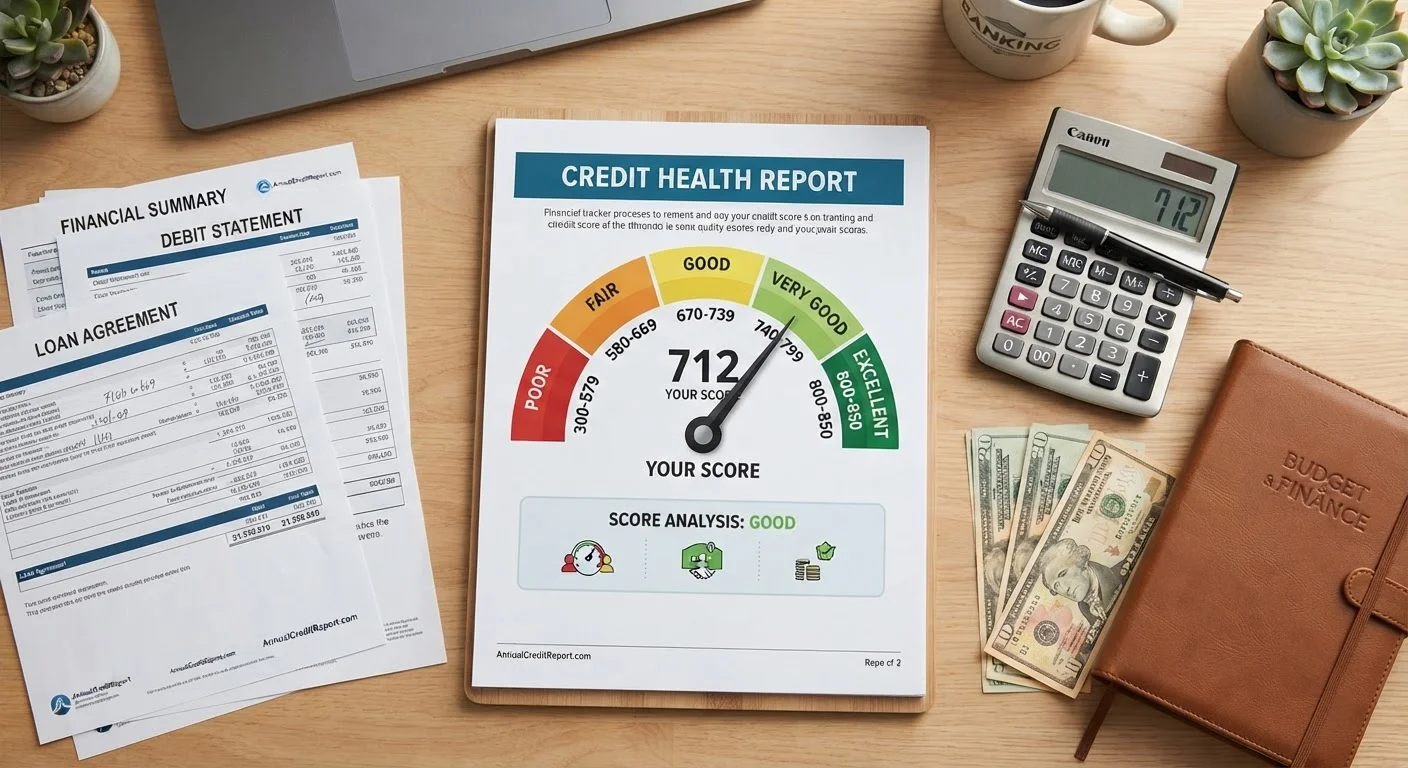
Photo credit: FaqInsider.com
In this article
Understand what credit score ranges signal to lenders, how each factor is weighted, and why your number can shift from month to month.
Key Takeaways
- Credit scores range from 300 to 850, with most lenders considering 670 or above a good starting point.
- Payment history carries the most weight in your score - roughly 35% under common FICO models.
- Your score can change monthly as lenders report updated account information to credit bureaus.
- Multiple scoring models exist; your score may differ slightly depending on which model a lender uses.
- Checking your own credit score does not lower it - only hard inquiries from lenders can.
The Score Ranges and What They Signal
Credit scores under the standard FICO model fall into five broad tiers, each signaling a different level of risk to lenders:
- Exceptional (800-850): Borrowers in this range typically qualify for the most favorable rates and terms.
- Very Good (740-799): Considered low-risk; usually qualifies for competitive offers.
- Good (670-739): Near or above the average for U.S. consumers; most lenders view this favorably.
- Fair (580-669): Some lenders will approve applications, but often with higher interest rates.
- Poor (300-579): Approval is difficult; some lenders specialize in this range, usually at significantly higher cost.
These ranges are reference points, not rigid gates. Each lender sets its own credit policies, so the same score can yield different outcomes at different institutions. For a deeper look at how scores shape major borrowing decisions, see how credit scores influence mortgage terms.
The Five Factors That Build Your Score
Under the FICO model, your score is calculated from five weighted categories:
- Payment History (approximately 35%): Whether you've paid past credit accounts on time. A single missed payment can meaningfully lower your score, especially if your credit history is short.
- Amounts Owed / Credit Utilization (approximately 30%): How much of your available credit you're using. Keeping utilization below 30% of your total credit limit is commonly recommended, though lower is generally better.
- Length of Credit History (approximately 15%): How long your accounts have been open. Older accounts contribute positively; closing older cards can reduce this.
- Credit Mix (approximately 10%): Having a variety of credit types - installment loans, credit cards, a mortgage - signals you can manage different kinds of debt.
- New Credit (approximately 10%): Recent applications for new credit. Applying for several accounts in a short period can temporarily lower your score.
These percentages are approximate and can shift based on your overall credit profile. Someone with a thin credit file may find that each factor carries different relative weight.
Why Your Score Fluctuates Month to Month
Credit scores are not static. Lenders typically report updated account information to the three major credit bureaus - Equifax, Experian, and TransUnion - on a monthly cycle. That means your score recalculates whenever new data arrives.
Common reasons for month-to-month movement include:
- A credit card balance rising or falling between statement dates
- A new account being opened, which lowers average account age
- A previously missed payment aging past 30, 60, or 90 days
- A hard inquiry from a recent credit application
- Paying off an installment loan, which can change your credit mix
Small swings of 10-20 points in either direction are normal. Dramatic drops usually trace back to a specific event - a late payment, a high balance, or a new derogatory mark. If your score moves unexpectedly, reading your credit report carefully is the right first step to identify the cause.
Common Misunderstandings Worth Clearing Up
Several persistent myths cause consumers to make decisions that actually hurt their scores. A few of the most common:
- Carrying a balance helps your score: It doesn't. Paying your balance in full each month avoids interest and keeps utilization low - both positive outcomes.
- Closing old accounts improves your score: Closing accounts can raise your utilization ratio and shorten your average credit age, which may lower your score.
- You only have one credit score: You likely have dozens, generated by different models and bureaus. The score you see on a free app may differ from what a specific lender pulls.
For a fuller look at what the research actually shows versus popular belief, common credit score myths breaks down the evidence in plain terms.
This article is for general informational purposes only and does not constitute personalized financial or legal advice. For guidance specific to your situation, consult a qualified financial professional.
Frequently Asked Questions

Author
Finance Editorial Team
Finance Editorial Team is the collective byline for our editorial team and contributor network. Articles published under this byline or an editorial pen name are researched, written, and reviewed according to our editorial standards for clarity, consistency, and independence before publication.
View all articles →