
Raiding Your Emergency Fund: Patterns That Quietly Drain Your Cushion
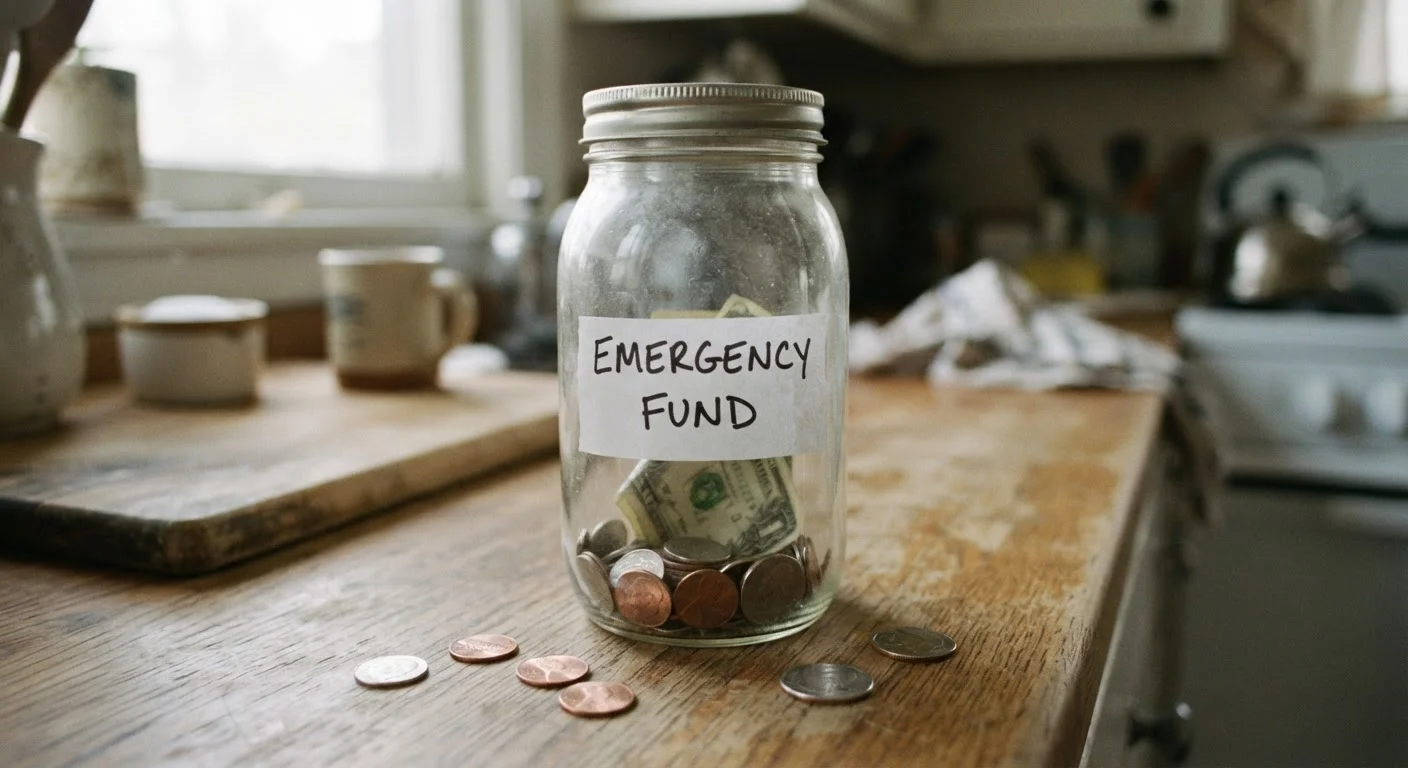
Photo credit: FaqInsider.com
In this article
Many savers repeatedly dip into their reserves for non-emergencies without realizing it. Here's what those patterns look like and how to interrupt them.
Key Takeaways
- Most emergency fund withdrawals happen for expenses that could have been anticipated or budgeted separately.
- Keeping your fund too accessible - in a checking account, for example - increases the temptation to spend it.
- Labeling spending as an 'emergency' without a clear definition is the most common pattern that drains reserves.
- Rebuilding after withdrawals requires a concrete plan, not just good intentions.
- Small automatic transfers consistently outperform sporadic large deposits for fund recovery.
Why Emergency Funds Get Quietly Depleted
An emergency fund is designed to absorb genuine financial shocks - a job loss, an unexpected medical bill, a critical home repair. But for many people, the fund gets chipped away by a different kind of spending: expenses that feel urgent in the moment but, on reflection, weren't true emergencies at all.
The erosion rarely happens all at once. It tends to follow patterns: a car registration bill here, a flight for a family event there, a sale that felt too good to pass up. Individually, each withdrawal seems reasonable. Cumulatively, they hollow out a safety net you may desperately need when a real crisis hits.
Understanding the behavioral patterns behind these withdrawals is the first step toward interrupting them. For a broader foundation on building and maintaining reserves, the full picture on emergency savings covers every stage from the first deposit to long-term resilience.
This Is General Financial Information
The guidance in this article is educational and applies to general saving patterns. It is not personalized financial advice. Your situation - income, expenses, debt load, family size - is unique. Consider consulting a licensed financial professional before making significant decisions about your savings strategy.
The Most Common Patterns That Drain Your Cushion
The mistakes below aren't signs of poor character or weak willpower - they're predictable human responses to financial stress and ambiguity. Recognizing them in your own behavior is more useful than judging them.
Using the emergency fund for predictable, recurring expenses.
Why it happens: When a semi-annual car insurance bill or annual registration fee arrives, it feels sudden - but it isn't truly unexpected. Without a dedicated sinking fund, the emergency fund becomes the default fallback.
Failing to define what actually counts as an emergency.
Why it happens: Without a written definition, the brain reclassifies wants as needs under stress. A sale on a needed appliance or a friend's destination wedding can feel urgent enough to justify a withdrawal.
Keeping the emergency fund in an account that is too easy to access.
Why it happens: Convenience lowers resistance. When emergency savings sit in the same checking account as everyday spending money, the psychological boundary between the two erodes quickly.
Not replenishing the fund after a legitimate withdrawal.
Why it happens: After a genuine emergency passes, rebuilding feels less urgent. Competing financial pressures - credit card balances, everyday bills - tend to absorb the cash flow that should go back into savings.
Making large, irregular deposits instead of consistent small ones.
Why it happens: Tax refunds, bonuses, and windfalls feel like ideal moments to fund savings in one shot. But these events are infrequent and the money often gets redirected before it reaches savings.
If you've noticed your fund shrinking despite not facing a major crisis, it may also be worth checking whether your savings target still reflects your actual life circumstances. A new job, added dependent, or change in housing costs can all shift how much you really need in reserve. Signs your fund needs reassessment can help you determine whether your target is still right.
Building Habits That Protect What You've Saved
Protecting an emergency fund is a discipline challenge as much as a math challenge. The structural moves - a separate account, automatic transfers, a written definition of emergencies - reduce the cognitive load of making the right call in a stressful moment.
Pair those structural habits with a realistic monthly budget that accounts for irregular but predictable costs. When those expenses have their own dedicated line, they stop looking like emergencies. And when your fund does get used legitimately, a concrete replenishment plan - not just a good intention - is what actually restores your cushion.
For a deeper look at how to protect a fund you've already built, discipline strategies that work offers practical approaches tailored to the post-buildup phase.
This article is for general informational and educational purposes only and does not constitute personalized financial advice. Consult a qualified financial professional for guidance specific to your circumstances.

Author
Finance Editorial Team
Finance Editorial Team is the collective byline for our editorial team and contributor network. Articles published under this byline or an editorial pen name are researched, written, and reviewed according to our editorial standards for clarity, consistency, and independence before publication.
View all articles →