
Building a Weekly Movement Routine Without a Gym Membership
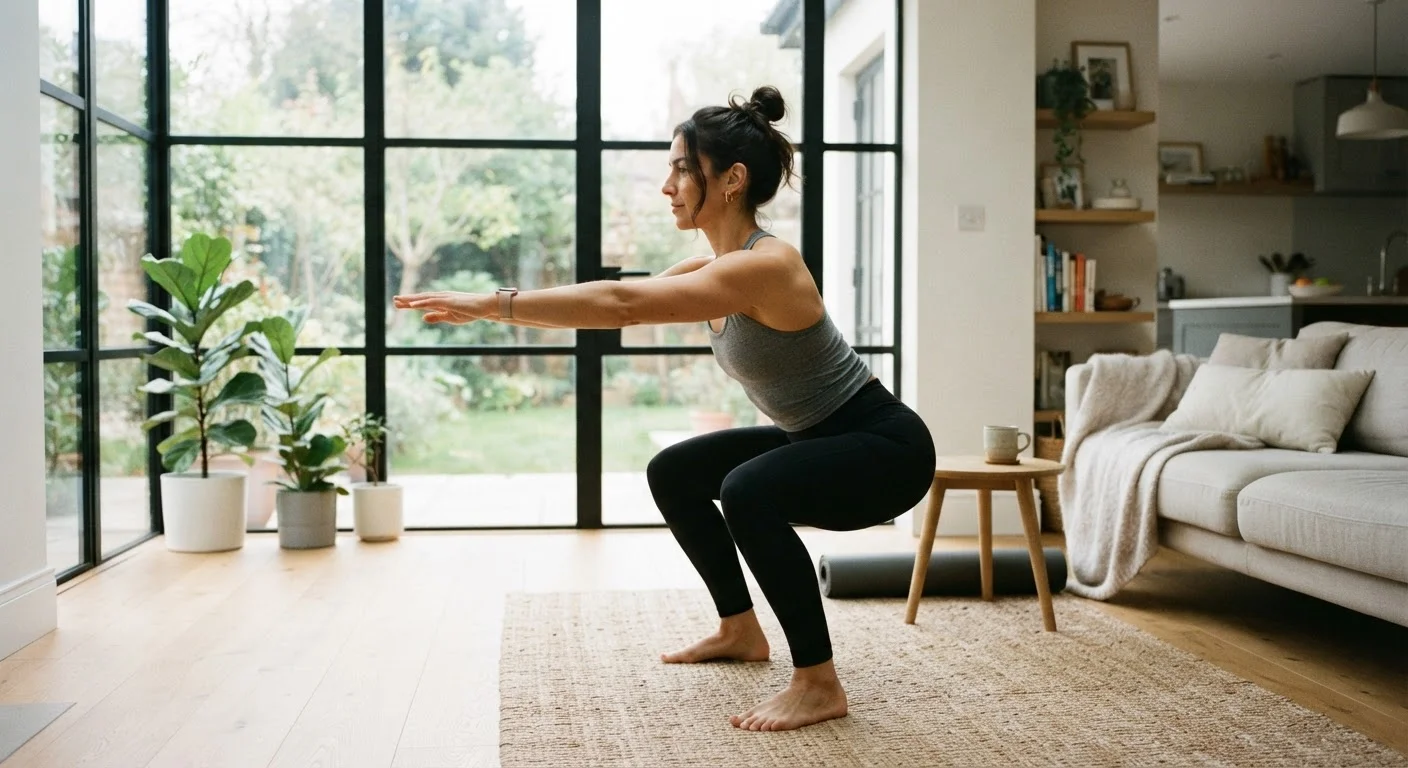
Photo credit: FaqInsider.com
A structured weekly movement plan doesn't require equipment or a gym. Here's a practical framework for fitting physical activity into everyday life.
Key Takeaways
- A structured weekly movement plan is achievable without a gym or any equipment.
- Consistency and variety matter more than intensity when building a lasting routine.
- Mixing cardio, strength, and mobility work across the week supports overall physical health.
- Short sessions done regularly outperform occasional long workouts for habit formation.
- Rest and recovery days are a deliberate, essential part of any movement plan.
Why Structure Matters More Than Equipment
A common misconception is that meaningful physical activity requires a gym membership, specialized equipment, or large blocks of free time. In practice, what determines whether someone stays active over the long term is less about resources and more about structure. A consistent weekly plan - even a modest one - creates the predictability that makes movement feel like a normal part of daily life rather than an extra burden.
Research in behavioral science consistently shows that habits form when behaviors are tied to specific cues and contexts. Scheduling movement at the same times and on the same days each week builds that cue-behavior connection. For those looking to build a walking habit specifically, strategies for making walking stick offers a complementary starting point.
Anchor Movement to Existing Habits
One of the most reliable ways to stay consistent is to pair movement with something you already do - such as a brief walk after lunch or a set of bodyweight exercises before your morning shower. This approach, sometimes called habit stacking, reduces the mental effort required to start each session.
The goal of this guide is to help you build a framework that fits your actual life - not an idealized version of it.
What you will need
Your Step-by-Step Movement Plan
Follow these steps to move from intention to a working weekly routine. Each step builds on the last, so work through them in order before making adjustments.
Assess Your Starting Point
Before planning your week, take an honest inventory of your current activity level. Consider how much you move on a typical day, whether you have any physical limitations, and how much time you can realistically commit. Most adults can aim for at least 150 minutes of moderate-intensity movement per week, spread across several days - but if you're new to regular exercise, starting with shorter, more frequent sessions is often more sustainable.
Map Out a Weekly Structure
A balanced weekly plan typically includes three to four days of moderate movement, one to two days of lighter activity or active recovery, and at least one full rest day. A simple framework might look like this:
- Monday: Cardio-focused (brisk walking, jogging in place, stair climbing)
- Tuesday: Bodyweight strength (squats, push-ups, lunges)
- Wednesday: Active recovery (gentle stretching or a leisurely walk)
- Thursday: Cardio or functional movement
- Friday: Strength or mobility work
- Saturday: Longer walk or recreational activity
- Sunday: Full rest
This is a template, not a prescription - adjust days and session types to fit your schedule and energy levels.
Choose Movements You'll Actually Do
Enjoyment and accessibility are strong predictors of consistency. Common equipment-free options include:
- Cardio: Walking, marching in place, dancing, jumping jacks, stair climbing
- Strength: Bodyweight squats, push-ups (modified or standard), glute bridges, wall sits, planks
- Mobility & flexibility: Hip circles, shoulder rolls, seated forward folds, cat-cow stretches
For a deeper look at how these patterns connect to daily function, functional fitness training covers the principles behind movement that translates to real life.
Build In a Warm-Up and Cool-Down
Every session - even a short one - benefits from a brief warm-up and cool-down. Spend three to five minutes at the start with gentle, dynamic movements (arm swings, slow leg lifts, light marching) to gradually raise your heart rate. At the end, spend an equal amount of time slowing down with static stretches held for 20-30 seconds. This supports flexibility and helps your body transition back to rest.
[warning_callout]Track and Adjust Week by Week
After each session, note what you did, how long it took, and how you felt. After two to three weeks, review your log and look for patterns: which days feel hardest to follow through on, which movements feel too easy or too difficult. Use this information to make small, targeted adjustments rather than overhauling your plan entirely. Gradual progression - slightly longer sessions or more repetitions - is more sustainable than sudden increases in intensity.
This article is for general informational and educational purposes only and does not constitute medical advice. Always consult a qualified healthcare professional before starting a new exercise program, especially if you have any health conditions or concerns.

Author
Health & Wellness Editorial Team
Health & Wellness Editorial Team is the collective byline for our editorial team and contributor network. Articles published under this byline or an editorial pen name are researched, written, and reviewed according to our editorial standards for clarity, consistency, and independence before publication.
View all articles →