
What Chronic Stress Actually Does to Your Body Over Time
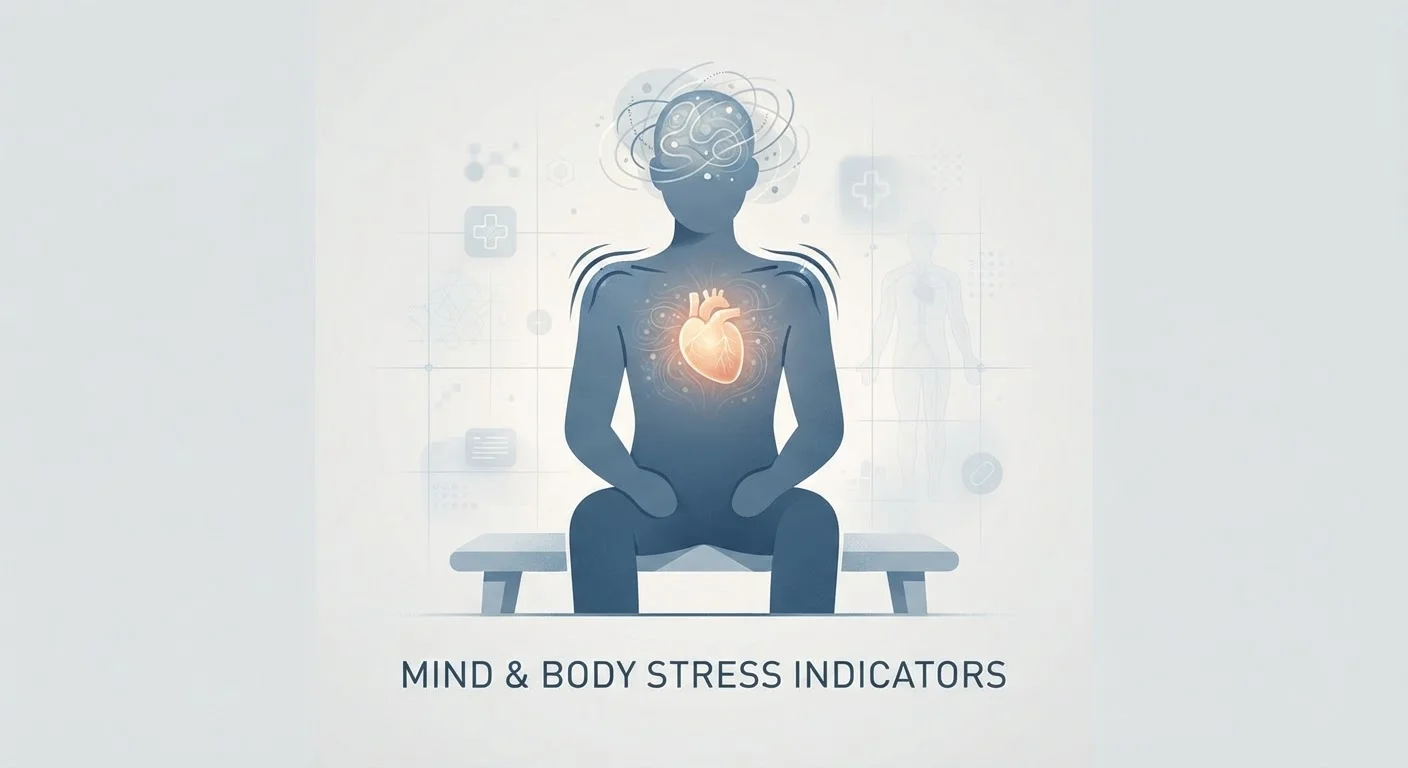
Photo credit: FaqInsider.com
In this article
Chronic stress affects more than your mood. Learn how sustained stress responses influence your heart, immune system, and sleep over the long term.
Key Takeaways
- Chronic stress keeps cortisol elevated, which can gradually wear down multiple organ systems.
- The cardiovascular system is among the most affected, with links to elevated blood pressure over time.
- Immune function can become dysregulated, potentially leaving the body more vulnerable to illness.
- Sleep disruption and chronic stress form a reinforcing cycle that worsens both conditions.
- Recognizing chronic stress early gives people the best opportunity to seek support and reduce long-term risk.
How the Body Responds to Sustained Stress
When you perceive a threat - whether physical or psychological - your brain triggers a cascade of hormonal signals. Adrenaline and cortisol flood the system, increasing heart rate, sharpening focus, and directing energy to the muscles. This is the well-known fight-or-flight response, and it serves a protective purpose in the short term.
The problem arises when there is no clear moment of resolution. Modern stressors - financial pressure, workplace conflict, caregiving demands - often don't have a defined endpoint. The body keeps producing stress hormones without the recovery phase that normally follows a resolved threat. Over weeks and months, this persistent activation begins to strain the very systems it was designed to protect.
Acute vs. Chronic Stress: An Important Distinction
Not all stress is harmful. Short-term, acute stress can sharpen performance and motivate action - a response researchers sometimes call 'eustress.' The physiological concerns described in this article relate specifically to stress that is sustained over long periods without adequate recovery. If you are uncertain whether your stress is acute or chronic, a mental health professional can help you evaluate your situation accurately.
The Cardiovascular System: A System Under Pressure
One of the clearest documented effects of chronic stress is its influence on cardiovascular health. Sustained cortisol elevation is associated with higher resting blood pressure, increased heart rate, and greater arterial inflammation - all risk factors that clinicians watch closely. Research published across several large cohort studies suggests people experiencing ongoing psychosocial stress face a meaningfully elevated risk of cardiovascular events compared to those who do not.
Stress-related behaviors also compound this risk. Disrupted sleep, reduced physical activity, changes in eating patterns, and increased alcohol use are all common responses to prolonged stress - and each carries its own cardiovascular implications. The biological and behavioral pathways reinforce each other.
77%
Adults reporting physical stress symptoms
According to the American Psychological Association's Stress in America survey, a large majority of U.S. adults report experiencing physical symptoms they associate with stress.
2-3×
Elevated cardiovascular risk with chronic work stress
Several longitudinal studies have found that individuals with high and sustained occupational stress have approximately two to three times the cardiovascular risk compared to low-stress counterparts.
40%
Adults with stress-related sleep disruption
The APA's research indicates roughly four in ten U.S. adults report that stress causes them to lie awake at night, linking sleep disturbance directly to ongoing stress.
Immune Function and Inflammation
The immune system has a nuanced relationship with cortisol. In the short term, stress hormones can suppress inflammatory responses in ways that are temporarily beneficial. But chronically elevated cortisol appears to impair immune regulation over time - making the body less efficient at fighting off pathogens and more prone to low-grade, systemic inflammation.
This state of low-grade inflammation has been linked in the research literature to a range of conditions including metabolic disorders and certain mood disorders. It's worth noting that this is an area of active research, and causal links remain complex. What is well established is that people under prolonged stress tend to report more frequent illness and slower recovery times.
Sleep Disruption: A Bidirectional Problem
Chronic stress and poor sleep maintain a self-reinforcing cycle that is particularly difficult to interrupt. Elevated cortisol in the evening - when it should naturally be at its lowest - interferes with the body's ability to initiate and maintain restorative sleep. Insufficient sleep, in turn, elevates cortisol the following day, raising baseline stress reactivity.
Over time, disrupted sleep affects cognitive function, emotional regulation, and metabolic health. It also lowers the threshold at which everyday challenges feel unmanageable - making the original stressors feel even more overwhelming. Addressing sleep is often a meaningful lever in any comprehensive approach to stress management, and a healthcare provider can help identify appropriate strategies.
If you're wondering whether your stress response has shifted into something more serious, our article on distinguishing burnout from stress offers a practical breakdown of where those lines are typically drawn.
Make Sleep a Priority in Stress Management
Because sleep and stress reinforce each other in both directions, improving sleep hygiene - consistent wake times, limiting screen exposure before bed, and keeping the sleep environment cool and dark - can meaningfully reduce baseline stress reactivity. Even modest improvements in sleep quality have been associated with better emotional regulation and lower daytime cortisol. A healthcare provider can help if sleep difficulties persist despite behavioral changes.
This article is for general informational and educational purposes only and does not constitute medical advice. Always consult a qualified healthcare professional for guidance specific to your health situation.
Frequently Asked Questions

Author
Health & Wellness Editorial Team
Health & Wellness Editorial Team is the collective byline for our editorial team and contributor network. Articles published under this byline or an editorial pen name are researched, written, and reviewed according to our editorial standards for clarity, consistency, and independence before publication.
View all articles →