
Dietary Fiber: The Nutrient Most Americans Aren't Getting Enough Of
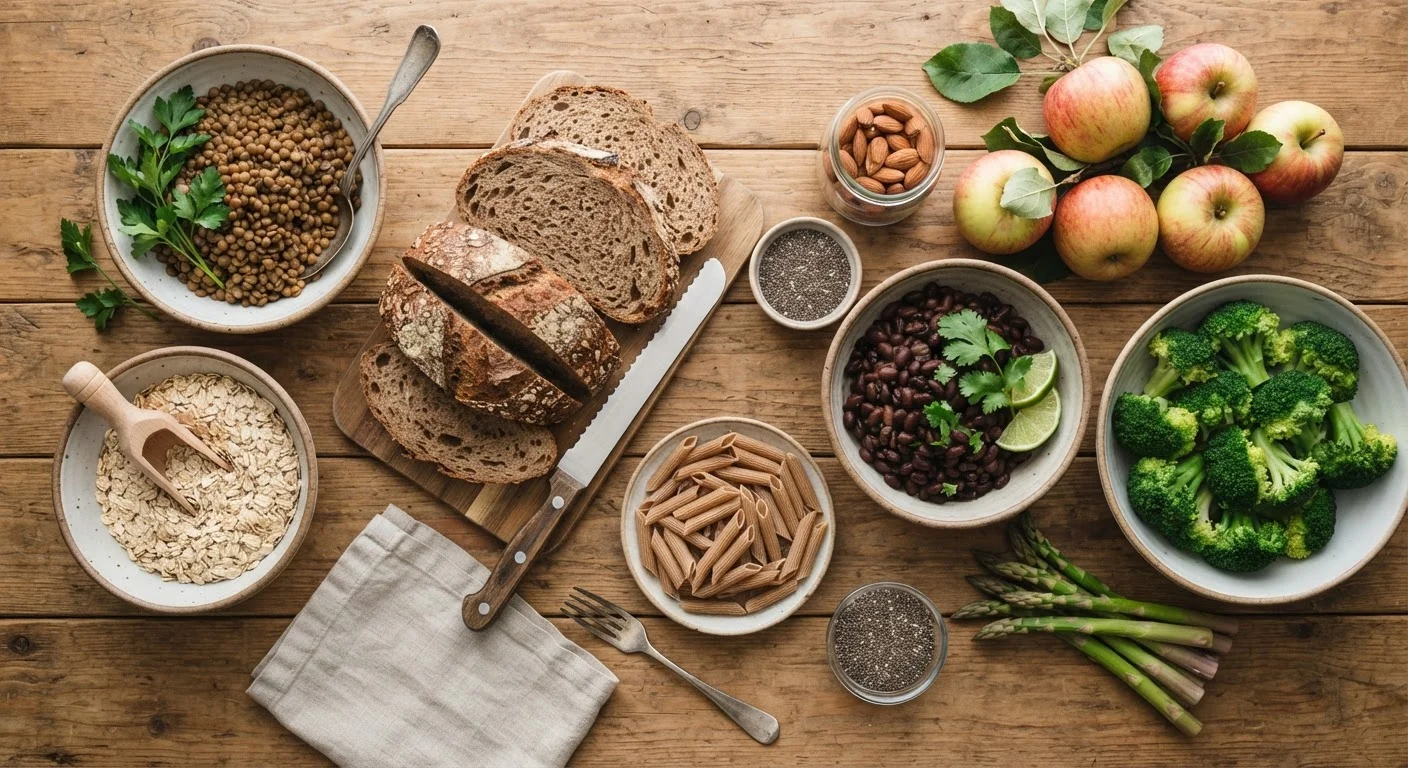
Photo credit: FaqInsider.com
In this article
Discover how dietary fiber supports digestion, blood sugar, and heart health — and which everyday foods are reliable sources.
Key Takeaways
- Most American adults consume roughly half the daily fiber recommended by major health authorities.
- Soluble fiber helps moderate blood sugar and cholesterol; insoluble fiber supports regular bowel movements.
- Whole grains, legumes, vegetables, and fruits are the most reliable everyday fiber sources.
- Increasing fiber intake gradually - alongside adequate hydration - helps avoid digestive discomfort.
- A high-fiber dietary pattern is consistently linked to reduced risk of cardiovascular disease and type 2 diabetes in large observational studies.
Why Fiber Deserves More Attention
Dietary fiber rarely generates the excitement of protein powders or omega-3s, yet public health research consistently identifies inadequate fiber intake as one of the most widespread - and most correctable - nutritional shortfalls in the American diet. According to federal dietary surveillance data, average fiber consumption among U.S. adults sits around 15 grams per day, well below established recommendations. That gap has real consequences for digestive health, metabolic function, and long-term disease risk.
Understanding what fiber actually does in the body - and which foods reliably deliver it - is a practical first step toward a more balanced dietary pattern. If you're also sorting through conflicting nutrition information, our review of nutrition myths the science has largely settled can help provide context.
~15g
Average daily fiber intake for U.S. adults
Federal dietary surveillance data consistently shows average adult fiber consumption falls roughly 10-20 grams below recommended levels.
95%
Americans falling short of fiber recommendations
Research published in the American Journal of Lifestyle Medicine estimated that approximately 95% of Americans do not meet adequate fiber intake targets.
25-38g
Recommended daily fiber for adults
The Dietary Guidelines for Americans recommend 25 grams per day for women and 38 grams per day for men, based on a 2,000-2,500 calorie diet.
Soluble vs. Insoluble: What the Two Types Do
Not all fiber behaves the same way in the body, which is why eating a variety of plant foods matters more than focusing on a single source.
Soluble fiber dissolves in water and forms a viscous gel in the digestive tract. This slows the absorption of glucose into the bloodstream - helping to moderate post-meal blood sugar spikes - and binds to bile acids in the gut, a process linked to reduced LDL (low-density lipoprotein) cholesterol levels. Oats, barley, psyllium husk, apples, and legumes are particularly rich in soluble fiber.
Insoluble fiber does not dissolve in water. It adds bulk to stool and speeds transit time through the colon, supporting regularity and reducing the time potentially harmful substances remain in contact with the intestinal lining. Whole wheat, bran, most vegetables, and nuts are good insoluble sources.
Beyond these two categories, researchers have also focused on fermentable fiber - fiber that gut bacteria break down into short-chain fatty acids. These compounds appear to support intestinal lining integrity, reduce inflammation, and may influence immune function, though much of this research is still developing.
Fiber Research Is Still Evolving
While the benefits of dietary fiber on digestive health, blood sugar, and cardiovascular risk are well-established, research on how specific fiber types interact with the gut microbiome is an active and rapidly developing field. Current evidence supports eating a wide variety of plant foods rather than focusing on any single type of fiber or supplement. As with all nutrition science, recommendations may be refined as larger and longer-term studies emerge.
Everyday Foods That Make a Meaningful Difference
Reaching adequate fiber intake does not require specialty products or dramatic dietary overhauls. A practical approach centers on making plant foods a consistent presence at most meals:
- Legumes: One cup of cooked lentils provides roughly 15-16 grams of fiber - more than the average American gets in an entire day. Black beans, chickpeas, and kidney beans are similarly concentrated sources.
- Whole grains: Choosing whole grain bread, oats, quinoa, or barley over their refined counterparts preserves the fiber-rich bran and germ layers that processing removes.
- Vegetables: Broccoli, Brussels sprouts, artichokes, carrots, and peas are among the higher-fiber options. Keeping the skin on potatoes and other root vegetables also contributes.
- Fruits: Pears, apples (with skin), raspberries, and avocados offer meaningful amounts alongside vitamins and antioxidants.
- Nuts and seeds: Chia seeds, flaxseeds, and almonds add both fiber and healthy fats in relatively small portions.
Hydration matters alongside fiber intake. Insoluble fiber works more effectively - and with less discomfort - when fluid intake is adequate. See our guide to how water fits into nutrition for more on this connection.
Building Fiber Into Your Daily Routine
The most sustainable strategy for increasing fiber intake is gradual substitution rather than sudden volume changes. Swapping white rice for brown rice, adding a handful of beans to a salad or soup, or choosing a piece of fruit alongside breakfast are low-friction adjustments that compound meaningfully over time.
People who increase fiber rapidly - particularly from supplements - sometimes experience bloating and gas as gut bacteria adjust to fermenting more material. Spacing increases over two to four weeks and pairing them with consistent hydration significantly reduces this effect for most people.
Fiber is one component of the broader eating habits that support long-term health. Our guide to nutrition habits worth building early outlines how fiber fits into a comprehensive approach to daily eating.
This article is for general informational and educational purposes only and does not constitute medical or dietary advice. Consult a qualified healthcare provider or registered dietitian for guidance specific to your health needs.
Frequently Asked Questions

Author
Health & Wellness Editorial Team
Health & Wellness Editorial Team is the collective byline for our editorial team and contributor network. Articles published under this byline or an editorial pen name are researched, written, and reviewed according to our editorial standards for clarity, consistency, and independence before publication.
View all articles →