
Why Crash Diets Tend to Backfire - and What Happens to Your Body
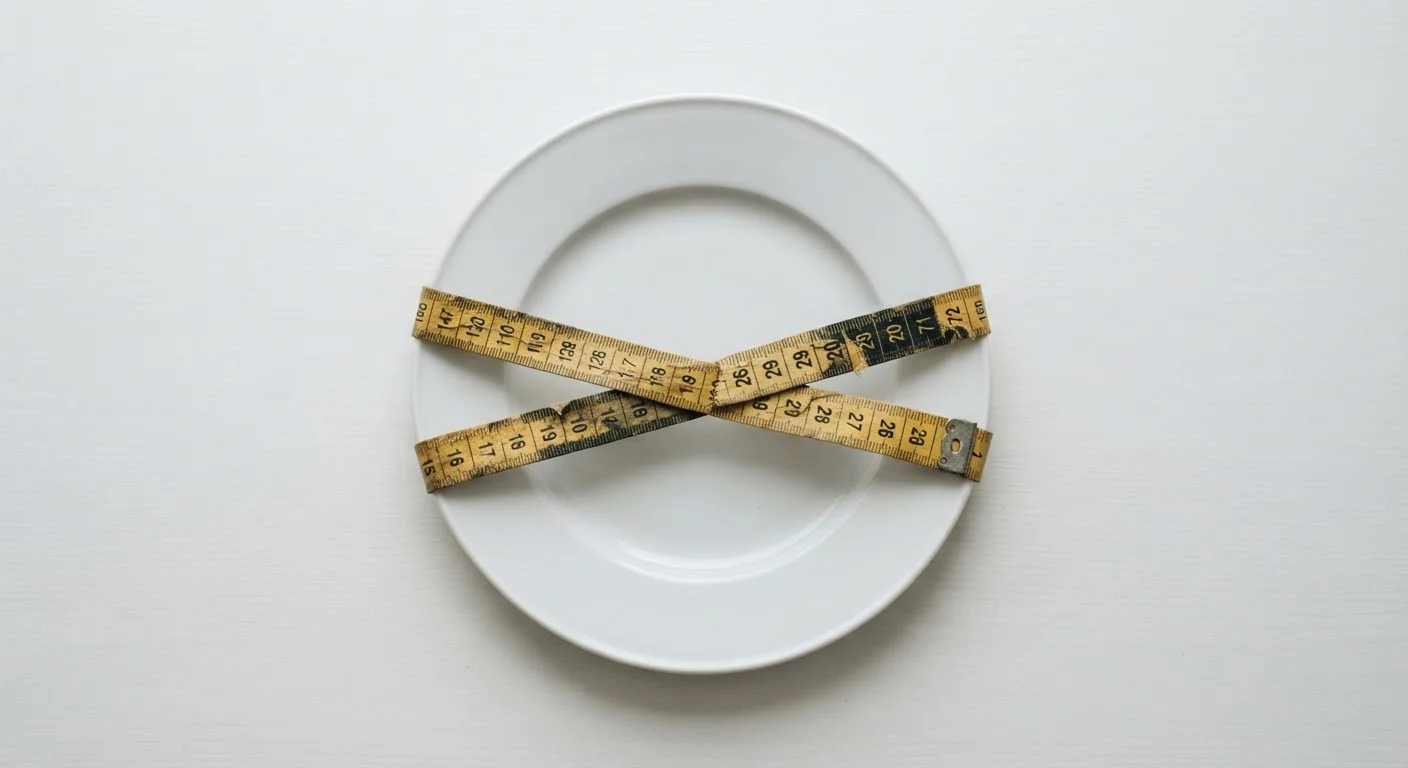
Photo credit: FaqInsider.com
In this article
Explore the physiological reasons highly restrictive diets often produce short-term results but long-term setbacks.
Key Takeaways
- Crash diets trigger a metabolic slowdown that makes sustained weight loss harder over time.
- Rapid calorie restriction causes significant muscle loss alongside fat loss.
- The body's hunger hormones shift in ways that intensify cravings after severe restriction.
- Weight regained after crash dieting often includes a higher proportion of fat than was lost.
- Gradual, sustainable dietary changes produce more durable results than extreme calorie cuts.
What a Crash Diet Actually Does to Your Metabolism
A crash diet - typically defined as a very-low-calorie eating plan designed to produce rapid weight loss - triggers a cascade of physiological responses that work against long-term success. Understanding these responses is the first step toward making more sustainable choices.
When calorie intake drops sharply, the body interprets the deficit as a potential famine. In response, it lowers its basal metabolic rate (the number of calories burned at rest). This adaptive thermogenesis, sometimes called "metabolic adaptation," is well-documented in nutrition research and can persist for months or even years after a severe diet ends. The result: the same number of calories that once maintained weight can now cause weight gain.
Simultaneously, the body shifts energy use toward preserving fat stores - its most concentrated fuel source - and begins breaking down muscle tissue for energy instead. This muscle loss compounds the metabolic slowdown, because muscle burns more calories at rest than fat does. For more on the evidence behind common diet beliefs, see our review of nutrition myths science has largely settled.
~65%
Dieters who regain lost weight within 3 years
Multiple long-term follow-up studies, including those reviewed in the New England Journal of Medicine, consistently show the majority of lost weight is regained within several years for people using very-low-calorie approaches.
Up to 25%
Weight lost during crash dieting that comes from muscle
Research published in nutrition and metabolism journals indicates that without adequate protein intake, a significant proportion of crash-diet weight loss comes from lean tissue rather than fat.
Common Crash Diet Mistakes - and How to Avoid Them
Most people who turn to crash diets aren't reckless - they're responding to urgent goals and a cultural environment that prizes quick results. But several predictable errors make the outcome worse than simply staying the course.
Cutting calories so severely that the body enters aggressive conservation mode.
Why it happens: The desire for fast results leads people to assume that a bigger deficit means faster, better outcomes.
Neglecting protein intake during calorie restriction, accelerating muscle loss.
Why it happens: Many crash diet plans focus heavily on overall calorie reduction without guidance on macronutrient balance.
Treating the crash diet as a temporary event rather than the start of lasting habits.
Why it happens: Crash diets are marketed as short-term fixes, implying normal eating can resume once the goal weight is reached.
Ignoring intensified hunger signals during and after severe restriction.
Why it happens: Crash dieters often expect willpower alone to manage hunger, unaware that hormonal changes - particularly elevated ghrelin and suppressed leptin - are driving the urge to eat.
Cycling repeatedly between crash diets and normal eating, known as weight cycling or "yo-yo dieting."
Why it happens: Initial weight loss feels like success, and when weight returns, the instinct is to repeat the approach that "worked" before.
Repeated Crash Dieting Can Compound the Problem
Each cycle of dramatic restriction followed by regain may shift body composition toward a higher fat-to-muscle ratio than existed before the diet began. Over time, this makes weight management progressively more challenging. If you find yourself in a repeated cycle of extreme dieting and regain, speaking with a healthcare provider or registered dietitian is a worthwhile step.
Recognizing these patterns is not about self-blame. It's about understanding the biological mechanisms at play so you can work with your body instead of against it. Our deep dive into why crash diets don't deliver covers the physiological case in more detail.
What a More Sustainable Approach Looks Like
The evidence consistently points toward modest, consistent calorie deficits - generally in the range that supports losing weight gradually rather than dramatically - as the approach most likely to preserve muscle, keep metabolism intact, and produce results that last. No single eating pattern works for everyone, and individual factors including health history, activity level, and personal preference all shape what's realistic.
Practical principles supported by a broad body of nutrition research include prioritizing adequate protein intake to protect muscle mass, distributing meals in a way that manages hunger, and building dietary habits that can realistically continue long-term rather than ones designed only for a finite sprint. If you're thinking about how recovery and rest interact with nutrition goals in a fitness context, our article on why skipping rest days often backfires offers relevant context.
Anyone considering significant dietary changes - particularly those with an existing health condition - should consult a registered dietitian or their primary care provider before making adjustments. What works at the population level may not reflect what's appropriate for a specific individual.
This article is for general informational and educational purposes only and does not constitute medical or nutritional advice. Always consult a qualified healthcare professional before making significant changes to your diet.

Author
Health & Wellness Editorial Team
Health & Wellness Editorial Team is the collective byline for our editorial team and contributor network. Articles published under this byline or an editorial pen name are researched, written, and reviewed according to our editorial standards for clarity, consistency, and independence before publication.
View all articles →