
Electrical Panel Upgrades: What Triggers the Need and What the Process Involves
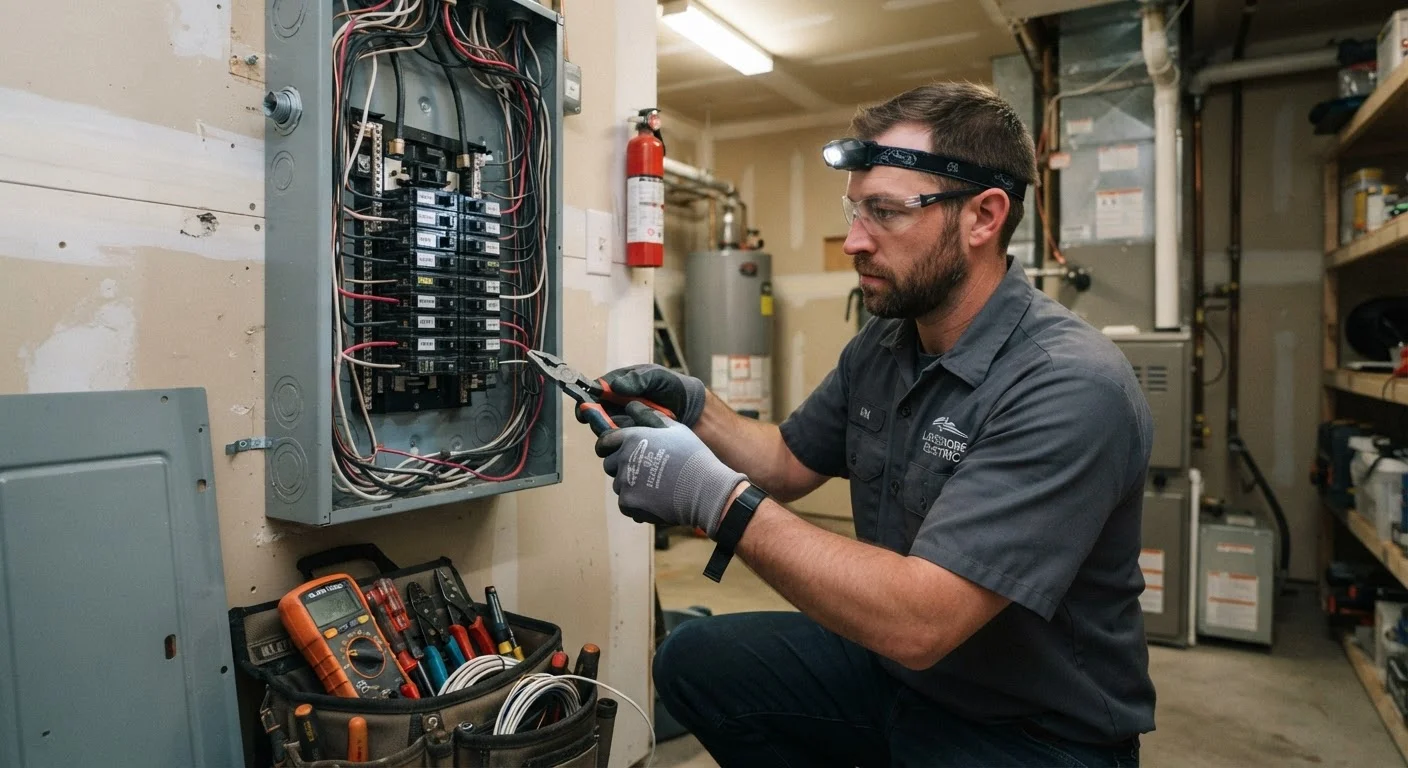
Photo credit: FaqInsider.com
In this article
Learn the warning signs that a panel may be undersized or outdated, what an upgrade typically entails, and why this work must be done by a licensed electrician.
Key Takeaways
- Frequent tripped breakers, flickering lights, and burning smells are warning signs your panel may be undersized or failing.
- Homes with 60-amp panels, Federal Pacific or Zinsco panels, or fuse boxes are strong candidates for an upgrade.
- Panel upgrades require a licensed electrician, permits, and inspection - this is not a DIY project.
- The process typically involves utility coordination, permit pulling, panel replacement, and a final inspection.
- Upgrading before adding EV chargers, solar systems, or major appliances prevents overloads and safety hazards.
Why Electrical Panels Become Outdated or Undersized
Your electrical panel was sized for the demands of the era it was installed in. A panel from the 1960s was designed for far fewer electrical loads than a home today - no central air conditioning, no induction ranges, no EV chargers, and far fewer devices. Over time, two separate problems can develop: the panel can become physically outdated (using old technology with known safety defects) or simply undersized for the household's actual consumption.
Certain panel brands manufactured between the 1950s and 1980s - most notably Federal Pacific Electric (Stab-Lok) and Zinsco - have been linked in industry literature to breakers that may fail to trip during an overload, a serious fire hazard. If your home still has one of these panels, a licensed electrician's evaluation is strongly advisable regardless of whether you're noticing any symptoms.
Fuse boxes - predecessor technology to breaker panels - are another upgrade indicator. While functional in principle, they're not designed for modern electrical loads and can be difficult to insure.
Permits Protect You Long-Term
Some homeowners are tempted to skip the permit process to save time or money. This is a serious mistake with an electrical panel. An unpermitted panel replacement can void your homeowner's insurance coverage for electrical fires, create complications when selling the home, and leave you with no independent verification that the work was done safely. Always insist your electrician pull the required permits.
Warning Signs Worth Taking Seriously
Some signs are easy to dismiss as minor annoyances, but they often point to an overtaxed or failing panel. Pay attention to:
- Breakers that trip repeatedly on the same circuit, especially under normal load
- Lights that flicker or dim when the refrigerator compressor kicks on or a large appliance starts
- A burning smell or visible scorch marks near the panel
- A panel that feels warm to the touch on the outside of the door
- Breakers that won't reset or that feel loose in the panel
- Running out of circuit slots when you try to add a new circuit
None of these symptoms should be ignored or worked around. If you observe any of them, contact a licensed electrician for an assessment rather than waiting to see if the problem resolves itself.
Document Your Panel Before Calling an Electrician
Before your appointment, take a clear photo of your panel's label (usually on the inside door) and note the brand name stamped on the panel box itself. This helps the electrician quickly identify the equipment and prepare for the evaluation. Also write down any symptoms you've noticed - which circuits trip, when, and under what conditions.
What Triggers the Practical Need for an Upgrade
Beyond aging equipment, several common home projects make a panel upgrade necessary rather than optional:
- Adding an EV charger: Level 2 chargers typically require a dedicated 240-volt, 50-amp circuit - a significant new load on an older panel.
- Kitchen or bathroom remodels: Modern code often requires additional dedicated circuits for countertop appliances, which an older panel may not accommodate.
- Installing central air conditioning: A new HVAC system adds substantial continuous load.
- Solar panel systems: Grid-tied solar requires interconnection with the service panel; some older panels aren't compatible.
- Adding a home addition: More square footage means more circuits and more load.
In each of these cases, your electrician will perform a load calculation - a formal assessment of your home's total electrical demand - to determine whether your existing panel can support the addition or whether an upgrade is needed first. Understanding when to bring in a professional is a key part of responsible home ownership; see our guide to evaluating when a project calls for a licensed pro for a broader framework.
What the Upgrade Process Actually Involves
Understanding the process helps you ask the right questions when getting estimates and set realistic expectations for timeline and disruption.
1. Electrician Assessment and Permit Application
A licensed electrician evaluates your current service, calculates your load requirements, and recommends the appropriate panel size. They then pull the necessary permit from your local authority having jurisdiction (AHJ) before any work begins.
2. Utility Coordination
Your utility company must disconnect power at the meter before the electrician can safely work on the service entrance. This is scheduled in advance and usually means the home is without power for several hours to a full day.
3. Panel Replacement
The electrician removes the old panel, installs the new one, transfers and labels all existing circuits, and ensures the grounding and bonding meet current National Electrical Code (NEC) requirements. If the service entrance wiring needs upgrading to support higher amperage, that work is done concurrently.
4. Inspection and Approval
Before the permit is closed, a municipal inspector verifies the installation meets code. Only after passing inspection is the utility called back to restore power. Never skip this step - uninspected work can create liability issues and complications when you sell the home.
60-100A
Typical capacity of older home panels
Many homes built before the 1980s were wired with 60- or 100-amp service, which is generally insufficient for today's typical household electrical loads.
200A
Standard panel size recommended for modern homes
The National Electrical Contractors Association and most licensed electricians recommend at least 200-amp service for homes with central air, electric appliances, and modern electronics.
~40%
U.S. home fires attributed to electrical failure
According to the U.S. Fire Administration, electrical fires account for a significant share of residential structure fires, underscoring the importance of maintaining safe, code-compliant panel equipment.
Frequently Asked Questions

Author
Home & Garden Editorial Team
Home & Garden Editorial Team is the collective byline for our editorial team and contributor network. Articles published under this byline or an editorial pen name are researched, written, and reviewed according to our editorial standards for clarity, consistency, and independence before publication.
View all articles →