
Gutters, Downspouts, and Drainage: What Homeowners Get Wrong
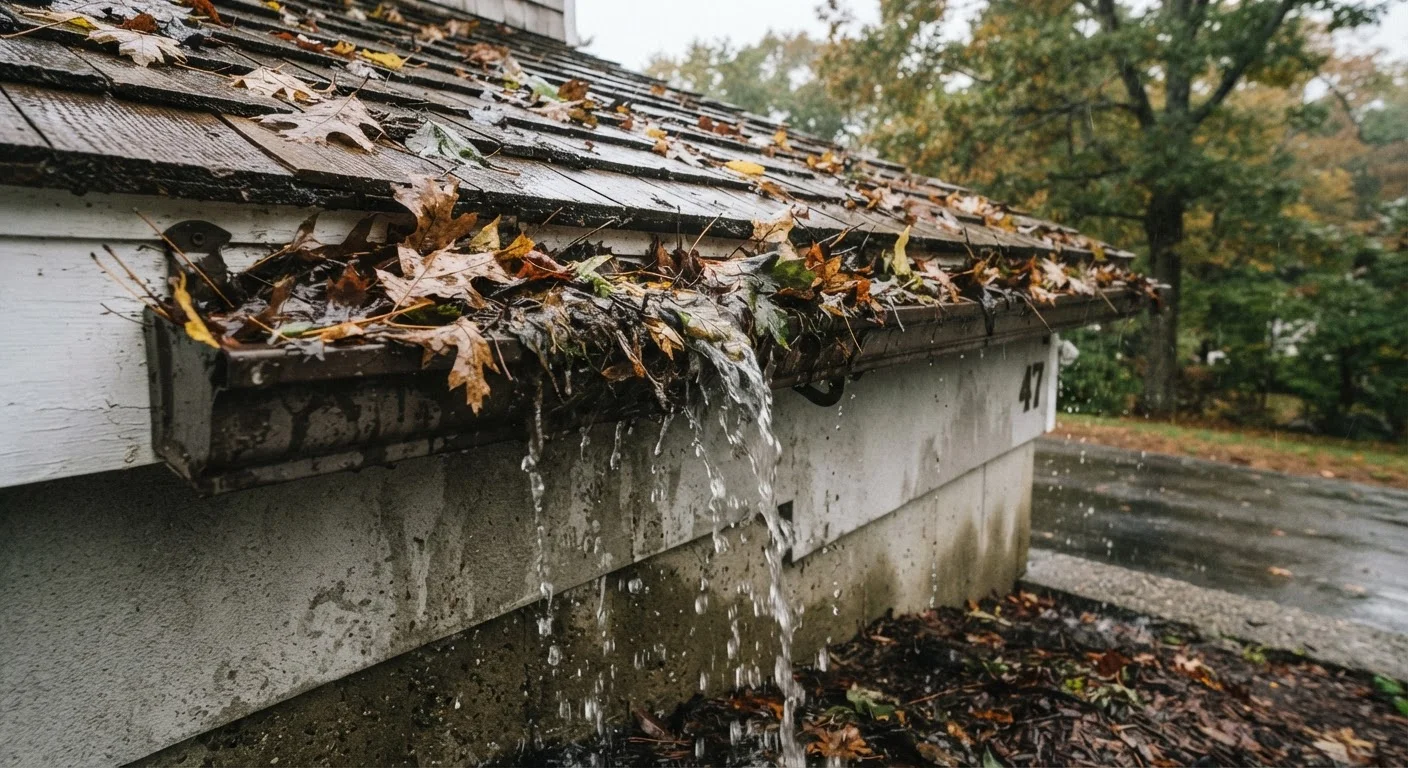
Photo credit: FaqInsider.com
In this article
Improper gutter maintenance is a leading cause of foundation and water damage. Understand the errors that compound over time.
Key Takeaways
- Cleaning gutters only once a year is rarely enough - most homes need at least two cleanings annually.
- Downspout discharge location matters as much as gutter cleanliness; water must exit well away from the foundation.
- Improper gutter slope causes standing water that accelerates corrosion and invites pests.
- Gutter guards reduce debris but do not eliminate the need for periodic inspection and maintenance.
- Foundation water damage linked to drainage failures can cost thousands of dollars to repair.
Why Gutter Mistakes Compound Into Costly Problems
Gutters and downspouts perform a straightforward job: move rainwater off your roof and away from your home's structure. When that system fails - even partially - water finds its own path, and it rarely goes somewhere beneficial. It saturates soil against the foundation, seeps behind siding, and erodes landscaping. Over time, the cumulative effect can be severe.
What makes gutter maintenance particularly tricky is that the damage is slow and mostly invisible. A clogged gutter doesn't announce itself the way a leaking pipe does. By the time water stains appear on interior walls or a basement floods, the underlying drainage failure may have been building for months or years. Understanding the mistakes that allow this to happen is the first step toward preventing them.
For a broader look at how your drainage system fits into whole-home care, see our guide to how gutters and downspouts protect your home.
Foundation Damage Can Be Irreversible
Water that pools against a home's foundation due to poor drainage can cause cracking, settlement, and basement flooding. These repairs are among the most expensive a homeowner will face, often running into tens of thousands of dollars. Addressing gutter and downspout problems early is far less costly than repairing structural damage after the fact.
The Most Common Gutter and Drainage Mistakes
The errors homeowners make with gutters tend to fall into predictable patterns - frequency of maintenance, configuration of drainage, and misplaced confidence in add-on products. Recognizing these patterns makes them easier to correct before water damage sets in.
Cleaning gutters only once a year and assuming that's sufficient.
Why it happens: Many homeowners treat gutter cleaning as an annual fall chore, not realizing that spring brings a second wave of debris - pollen, seeds, and granules washed from shingles.
Positioning downspout extensions too close to the foundation.
Why it happens: Homeowners often connect extensions just long enough to clear the splash block, not realizing that water still flows back toward the house once it hits the ground.
Assuming gutter guards eliminate the need for maintenance.
Why it happens: Gutter guard products are often marketed as low-maintenance or maintenance-free solutions, leading homeowners to neglect inspection for years.
Ignoring improper gutter slope, which causes standing water.
Why it happens: Gutters can shift out of alignment over time due to ice, heavy debris loads, or bracket failure - a gradual change that's easy to overlook.
Neglecting the soil grade around the foundation after installing drainage.
Why it happens: Homeowners focus on the gutters themselves but overlook that settled or eroded soil can negate even a well-functioning downspout system.
Waiting for visible damage before inspecting gutters after storms.
Why it happens: Damage from ice dams, wind, or heavy debris loads is not always obvious from the ground, so problems go undetected until water intrusion occurs indoors.
~$10,000+
Average cost of foundation water damage repair
According to home repair cost surveys, water intrusion at the foundation level is consistently among the most expensive repairs homeowners face.
2×/year
Minimum recommended gutter cleaning frequency
Most roofing and home maintenance authorities recommend cleaning gutters at least twice annually - more often for homes surrounded by trees.
Many of these same drainage blind spots appear in related maintenance areas. For instance, common plumbing maintenance myths share a similar theme: well-intentioned habits that quietly cause harm over time.
Fitting Gutter Care Into Your Overall Home Maintenance Routine
Gutter maintenance shouldn't be an isolated task - it fits naturally into a broader seasonal inspection routine. Walk your home's perimeter each spring and fall with gutters in mind: look at slope, check discharge points, clear any debris from downspout outlets, and verify that the soil grade around the foundation is still sloping away from the house.
Don't Ignore Fascia and Soffit Damage
Overflowing gutters don't just threaten the foundation - they also saturate the fascia boards and soffit directly behind the gutter. Prolonged moisture causes wood rot that can compromise roof edge structure. Inspect these areas whenever you clean your gutters and address any soft or discolored wood promptly.
If you're building out a full exterior inspection checklist, our exterior maintenance task guide covers siding, trim, and foundation grading alongside drainage. And for homeowners working through every major home system, the complete homeowner's maintenance resource is a useful reference to keep on hand.
The patterns that cause moisture damage indoors often start outdoors. Well-maintained gutters and properly directed downspouts are one of the most cost-effective ways to protect your home's structure - not because the work is glamorous, but because the alternative is far more disruptive and expensive.

Author
Home & Garden Editorial Team
Home & Garden Editorial Team is the collective byline for our editorial team and contributor network. Articles published under this byline or an editorial pen name are researched, written, and reviewed according to our editorial standards for clarity, consistency, and independence before publication.
View all articles →