
Plumbing Maintenance Basics Every Homeowner Can Handle
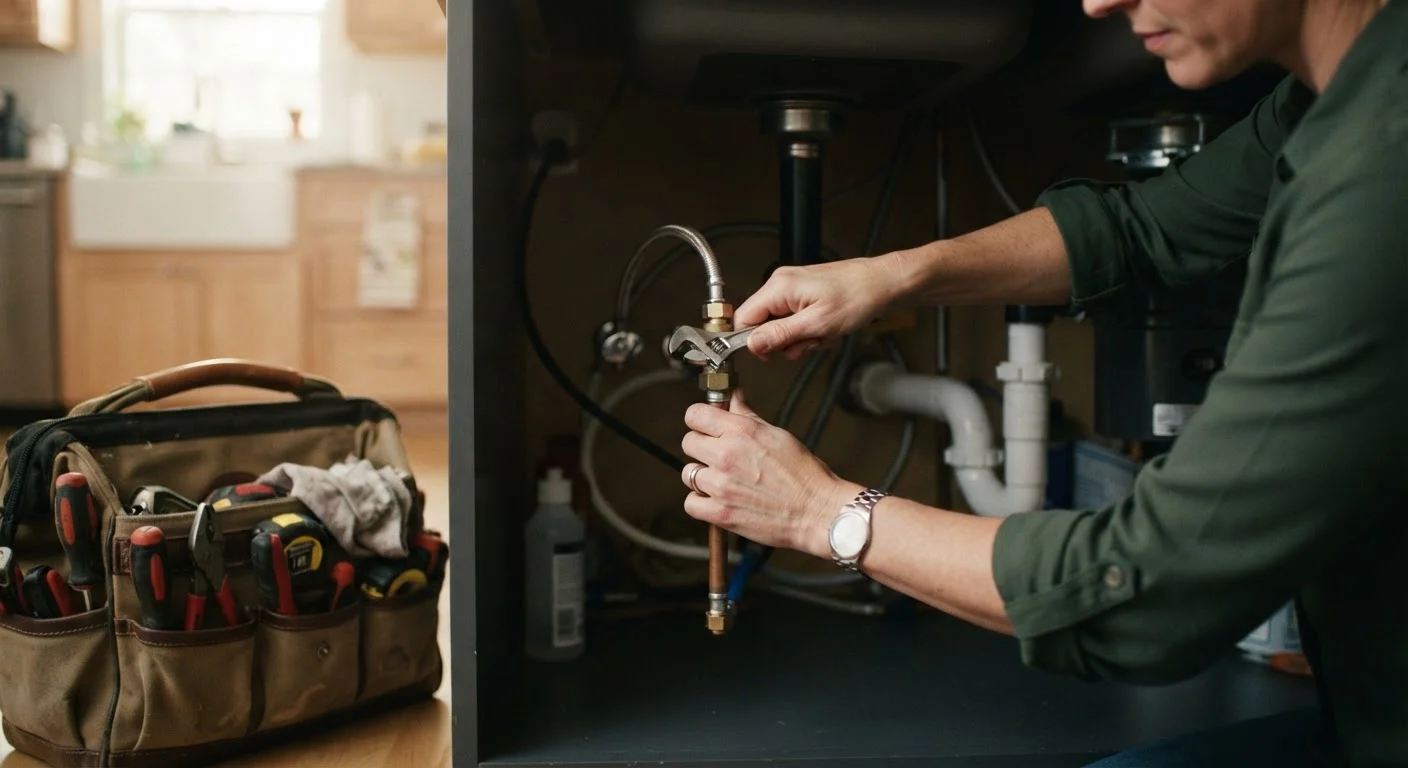
Photo credit: FaqInsider.com
In this article
You don't need a plumber for everything. Learn the routine plumbing tasks you can safely manage yourself—and when to call a professional.
Key Takeaways
- Regular inspection and simple upkeep can prevent the majority of common household plumbing failures.
- Most homeowners can safely handle drain cleaning, fixture checks, and shutoff valve testing without special training.
- Learning to recognize warning signs early-like slow drains or water stains-saves money and avoids water damage.
- Tasks involving gas lines, main water supply, or structural pipes should always be handled by a licensed professional.
- Knowing where your main water shutoff valve is located is one of the most important things any homeowner can do.
Why Routine Plumbing Maintenance Matters
Your home's plumbing is largely invisible-hidden behind walls, under floors, and beneath sinks-which makes it easy to ignore until something goes wrong. But a slow drip, a partially blocked drain, or a corroding shutoff valve rarely fixes itself. Left alone, small issues can escalate into water damage, mold, or costly emergency repairs.
The good news is that a consistent, simple maintenance routine can prevent most common plumbing problems. You don't need a license or specialized tools for the majority of these tasks-just awareness, a few basic supplies, and the confidence to look at what's actually going on. For a broader overview of keeping your home in shape, see our guide for first-time homeowners.
Key Plumbing Terms to Know
Before diving into tasks, it helps to understand the language. Plumbing has its own vocabulary, and knowing the basics makes it much easier to describe a problem-whether you're troubleshooting yourself or explaining an issue to a professional.
P-trap
The curved section of pipe beneath a sink or drain that holds a small amount of water, creating a seal that blocks sewer gases from entering your home.
Shutoff valve
A valve that stops the flow of water to a specific fixture (like a toilet or sink) or to the entire house. Knowing how to operate these is essential during a leak.
Water hammer
A banging noise in pipes caused by water flow stopping suddenly when a faucet or valve is closed quickly. It can stress pipe joints over time if left unaddressed.
Pressure-relief valve
A safety device on your water heater that automatically releases pressure if it builds to a dangerous level, preventing the tank from rupturing.
Aerator
A small mesh screen screwed onto the tip of a faucet that mixes air into the water stream. It reduces water usage and can collect mineral deposits over time.
Supply line
The flexible or rigid tube that connects your home's water supply to a specific fixture, such as a toilet tank or faucet. These lines can crack or corrode and are worth inspecting regularly.
Monthly and Seasonal Tasks You Can Do Yourself
Establishing a simple maintenance rhythm is the most effective thing you can do for your plumbing. Here's what to check and how often:
Every Month
- Check under sinks: Look for moisture, discoloration, or soft cabinet floors-signs of a slow drip at supply lines or drain connections.
- Clear drain strainers: Remove hair and debris from bathroom sink, tub, and shower strainers to prevent buildup from reaching the trap.
- Run water in unused fixtures: Infrequently used sinks, tubs, or floor drains can dry out their P-traps, allowing sewer gases to enter. Running water for 30 seconds refreshes the seal.
Every Season
- Test shutoff valves: Gently turn each valve under sinks and behind toilets to confirm they move freely. Valves that haven't been operated in years can seize when you actually need them.
- Inspect visible pipes: Look for rust, corrosion, moisture, or loose fittings in accessible areas like basements, utility rooms, and crawlspaces.
- Clean showerheads: Mineral deposits reduce flow. Soak the showerhead in white vinegar overnight to dissolve buildup without harsh chemicals.
- Check your water heater: Look for rust, corrosion, or pooling water at the base. Verify the pressure-relief valve hasn't been manually disabled-this is a safety device, not a maintenance target.
Know Your Main Shutoff Before You Need It
One of the most valuable things you can do right now is locate and label your main water shutoff valve. In a plumbing emergency, every second counts. Walk through your home today, find the valve, confirm it turns freely, and make sure all household members know where it is.
Many common plumbing beliefs-including assumptions about chemical drain cleaners and what's safe to flush-can actually cause harm. Our article on plumbing maintenance myths explains what to avoid.
Spotting Problems Before They Become Emergencies
Early detection is the difference between a $10 washer replacement and a $2,000 water damage repair. Train yourself to notice these warning signs during your regular checks:
- Slow drains: A single slow drain usually points to a localized clog. Multiple slow drains at once suggest a problem deeper in the main line.
- Water stains on ceilings or walls: A yellowish or brownish ring often signals an active or past leak from a pipe or fixture above. Don't ignore it hoping it was a one-time event.
- Unexplained increases in your water bill: A sudden jump in usage-without a change in your habits-can indicate a hidden leak. Check your meter with all fixtures off; if it's still moving, water is escaping somewhere.
- Banging or rattling pipes: Water hammer (the loud bang when a faucet is shut off quickly) can stress pipe joints over time. Persistent noise warrants investigation.
If you encounter symptoms you can't readily explain, our article before you call a plumber walks through how to diagnose common issues systematically.
When in Doubt, Check Your Water Meter
Your water meter is a surprisingly useful diagnostic tool. Turn off all faucets, appliances, and fixtures in the house, then check whether the meter's low-flow indicator (usually a small triangle or dial) is still moving. If it is, you likely have a leak somewhere in the system-even if you can't see it. This simple test takes about two minutes and can prompt an early investigation before damage occurs.
When to Stop and Call a Licensed Plumber
Knowing your limits isn't a failure-it's smart homeownership. Some plumbing work is regulated, requires permits, or carries genuine safety risks if done incorrectly. Step back and call a licensed professional when you encounter any of the following:
- Work involving gas lines - even if a gas appliance connects to water (such as a gas water heater), never attempt repairs to the gas supply yourself.
- Main water line issues - breaks or persistent leaks in the line running from the street to your home require professional tools and often utility coordination.
- Drain line replacements or rerouting - altering drain pipes typically requires permits and inspections in most U.S. jurisdictions.
- Sewage backups - if raw sewage is backing up into your home, stop using water and call a plumber immediately. This poses a serious health hazard.
- Water heater replacement - installation involves both plumbing and potentially gas or electrical connections; most localities require a licensed contractor and an inspection.
For a clear framework on which home tasks fall safely into the DIY category and which don't, see our guide on DIY vs. calling a professional. Taking on the right tasks yourself builds real confidence-and knowing when to hand off protects your home and your safety.
Frequently Asked Questions

Author
Home & Garden Editorial Team
Home & Garden Editorial Team is the collective byline for our editorial team and contributor network. Articles published under this byline or an editorial pen name are researched, written, and reviewed according to our editorial standards for clarity, consistency, and independence before publication.
View all articles →