
How Earnest Money Works-and What Happens If a Deal Falls Through
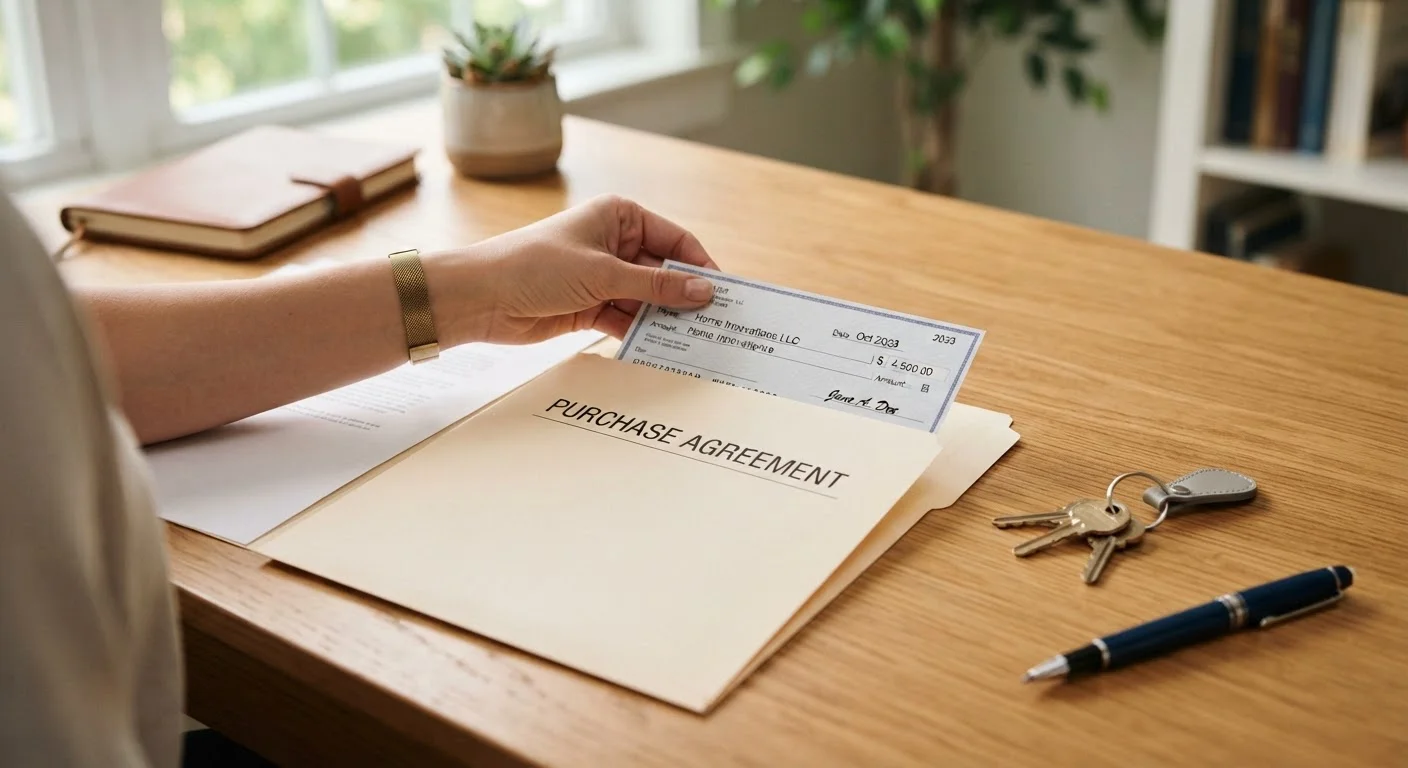
Photo credit: FaqInsider.com
In this article
Earnest money signals serious intent, but the rules around refunds and forfeiture are more nuanced than most buyers expect.
Key Takeaways
- Earnest money is typically 1-3% of the purchase price, though competitive markets may push expectations higher.
- Contingencies in the contract - for financing, inspection, and appraisal - protect your deposit if the deal falls through for qualifying reasons.
- If you back out without a contingency-based reason, you generally forfeit your earnest money to the seller.
- The deposit is held in escrow by a neutral party and applied to your costs at closing.
- Deadlines in the contract matter: missing a contingency removal deadline can cost you your deposit.
What Earnest Money Actually Does
When a seller accepts your offer on a home, they're taking the property off the market and turning away other potential buyers. Earnest money is how buyers demonstrate they're serious enough to warrant that commitment. It's not a fee - it's a deposit that gets credited back to you at closing.
The amount varies by market and price point, but buyers commonly offer between 1% and 3% of the purchase price. On a $400,000 home, that's $4,000 to $12,000 held in escrow while the deal progresses. In highly competitive markets, some buyers voluntarily offer more to make their offer stand out.
The deposit is submitted within a few days of the contract being signed - the exact deadline is spelled out in your purchase agreement. Missing that window can put you in breach of contract, so watch the timeline carefully. For a broader view of how earnest money fits into a competitive offer, see what goes into making an offer.
1-3%
Typical earnest money deposit range
Industry practice in most U.S. markets; competitive bidding situations may push this figure higher.
3-5 days
Common window to submit earnest money
Most purchase contracts require the deposit within a few business days of mutual acceptance; exact timelines vary by state and contract.
~30 days
Typical escrow period for residential sales
Earnest money sits in escrow throughout this period before being applied at closing or returned following a valid cancellation.
How Contingencies Protect Your Deposit
Contingencies are conditions written into the purchase contract that allow a buyer to exit the deal - and recover their deposit - if something doesn't go as planned. The three most common are:
- Financing contingency: If your mortgage application is denied, you can typically walk away with your earnest money intact.
- Inspection contingency: If a home inspection reveals serious problems and you and the seller can't reach an agreement on repairs or price adjustments, you can exit the contract.
- Appraisal contingency: If the home appraises below the agreed purchase price and the seller won't renegotiate, this contingency gives you a protected exit.
Each contingency comes with its own deadline. Once you remove a contingency - either by formally waiving it or by letting the deadline pass - you lose the protection it provided. That's why tracking contingency deadlines is one of the most important things a buyer can do during escrow.
Track Every Contingency Deadline on a Calendar
As soon as your offer is accepted, list every contingency deadline from the contract and set reminders several days in advance. Missing a deadline - even by one day - can legally void that protection and put your deposit at risk. Your buyer's agent should help you monitor these, but don't rely on anyone else to track them for you.
To understand how contingency missteps lead buyers to lose deals they could have kept, this guide on avoidable deal-breakers is worth reading before you get to contract.
When Buyers Lose Their Deposit
Earnest money forfeiture happens when a buyer backs out of a deal for a reason not covered by an active contingency. Common scenarios include:
- Getting cold feet after all contingencies have been waived
- Voluntarily waiving contingencies to win a bidding war, then being unable to secure financing
- Missing contract deadlines that void your protections
- Deciding to purchase a different home once you're already under contract
When a buyer defaults without a valid contractual basis, the seller can typically claim the earnest money as compensation for the time the property spent off the market. Most standard contracts treat this as the seller's primary remedy - meaning they keep the deposit rather than suing for additional damages - but the language varies. Always have a real estate attorney review your contract before signing.
Understanding the decisions that protect - or cost - buyers is central to how your offer terms shape the entire transaction.
Dispute Resolution for Earnest Money
When a deal falls through and both parties disagree about who gets the deposit, the escrow holder typically cannot release funds without mutual written consent or a court order. Resolution processes vary by state - some states have specific statutory procedures. If you find yourself in a disputed escrow situation, consult a licensed real estate attorney in your state.
Protecting Yourself Before You Sign
A few practical steps can significantly reduce your risk before you commit earnest money to any transaction:
- Get pre-approved, not just pre-qualified. A full lender pre-approval gives you a much clearer picture of what financing you'll actually receive.
- Read every contingency deadline in your contract. These dates are binding, and missing them has real financial consequences.
- Be cautious about waiving contingencies. In competitive markets, some buyers waive inspection or appraisal contingencies to win. Know exactly what protection you're giving up.
- Understand the escrow process. Know who holds your deposit, what documentation is needed for a refund, and under what circumstances disputes are resolved.
Being well-prepared before submitting an offer is the surest way to avoid the situations that cause deals - and deposits - to unravel. Common missteps in competitive markets are well-documented and largely avoidable with the right groundwork.
This article is for general informational purposes only and does not constitute legal, financial, or real estate advice. Consult a licensed real estate professional or attorney regarding your specific situation.
Frequently Asked Questions

Author
Real Estate Editorial Team
Real Estate Editorial Team is the collective byline for our editorial team and contributor network. Articles published under this byline or an editorial pen name are researched, written, and reviewed according to our editorial standards for clarity, consistency, and independence before publication.
View all articles →