
Why Renters Insurance Is Not the Same as Your Landlord's Policy
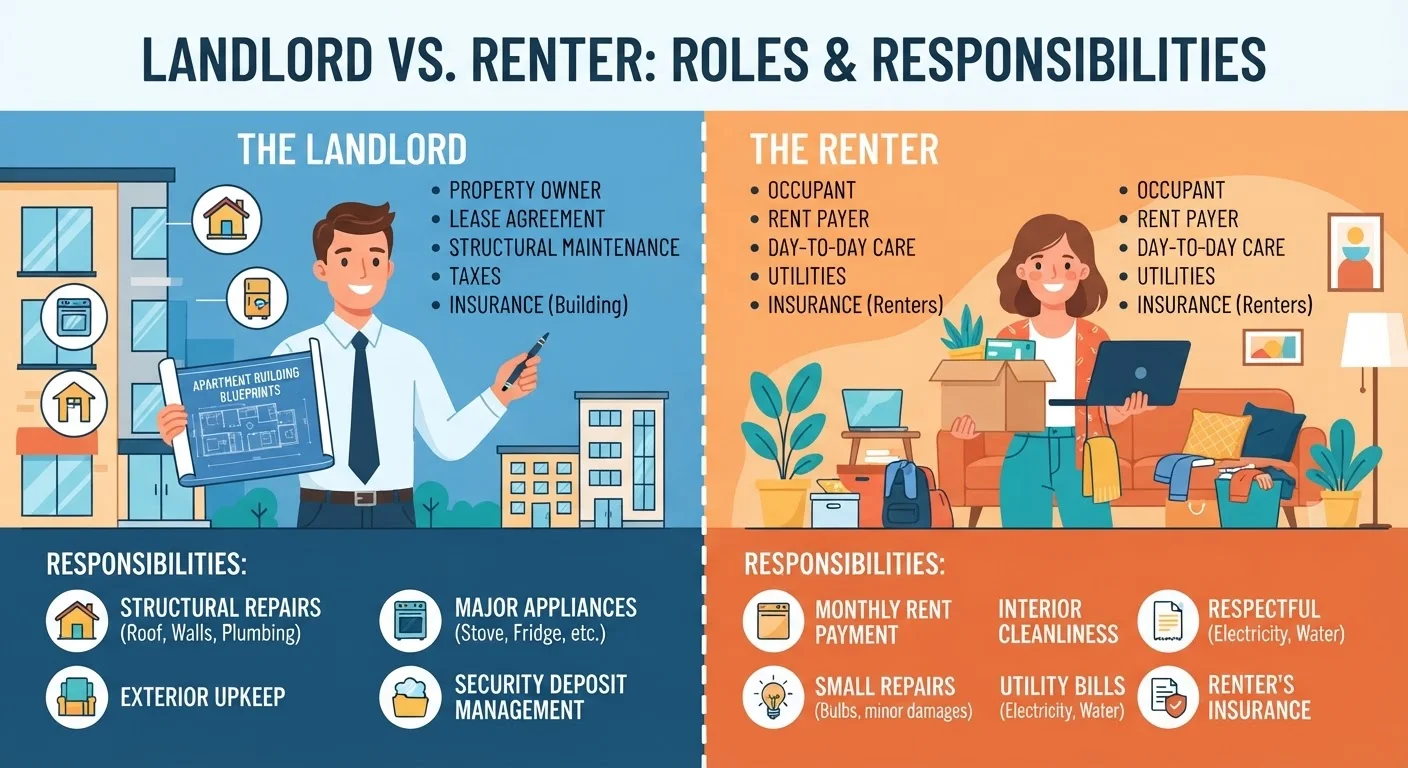
Photo credit: FaqInsider.com
In this article
Your landlord's insurance covers the building, not your belongings. Learn what renters insurance actually protects and why the gap matters.
Key Takeaways
- A landlord's insurance policy covers the building structure, not a renter's personal belongings.
- If your belongings are stolen, damaged, or destroyed, your landlord's policy will not reimburse you.
- Renters insurance typically covers personal property, personal liability, and additional living expenses.
- Many renters mistakenly assume they are covered under their landlord's policy - this is a costly misconception.
- Renters insurance is generally affordable, often costing less than $20 per month for basic coverage.
- Some landlords require proof of renters insurance as a condition of the lease.
The Coverage Gap Most Renters Don't See Coming
One of the most pervasive and financially costly misconceptions in renting is the belief that a landlord's insurance policy extends some protection to tenants. It doesn't - and understanding exactly why is the first step to protecting yourself.
A landlord's insurance policy (sometimes called a dwelling policy or landlord policy) is designed to protect the property owner's investment. It covers the physical structure of the building - walls, roof, flooring, plumbing - and provides the landlord with liability protection if they are found legally responsible for certain incidents on the property. The tenant is not a party to that policy, and their belongings are not its concern.
This means that if a kitchen fire damages your furniture, a pipe bursts and ruins your electronics, or a break-in results in stolen valuables, the landlord's insurer has no obligation to compensate you. The landlord may file a claim for building damage, but you are on your own for everything you personally own. This is the coverage gap renters insurance is specifically designed to fill. See also: common renting myths that can cost you money.
~55%
U.S. renters who carry renters insurance
According to the Insurance Information Institute, roughly half of U.S. renters have a renters insurance policy, leaving millions without coverage for their personal belongings.
$15-$30
Typical monthly cost of renters insurance
The Insurance Information Institute reports that renters insurance is among the most affordable personal insurance products available in the U.S. market.
$30,000+
Estimated average value of a renter's belongings
Industry estimates suggest that the cumulative value of furniture, electronics, clothing, and other personal property in a typical rental unit can exceed $30,000, underscoring the financial risk of going uninsured.
What Renters Insurance Actually Covers
A standard renters insurance policy is structured around three core protections:
- Personal property coverage: Reimburses you for belongings that are lost, stolen, or damaged due to covered events - typically fire, theft, vandalism, and certain types of water damage. It does not usually cover floods or earthquakes, which require separate policies.
- Personal liability coverage: Protects you financially if someone is injured inside your rental or if you accidentally cause damage to someone else's property. For example, if a guest slips and falls in your apartment and pursues a claim, your liability coverage can help cover legal and medical costs.
- Additional living expenses (ALE): Covers temporary housing and related costs if your unit becomes uninhabitable due to a covered event - such as a fire - while repairs are underway.
When reviewing a policy, pay attention to whether it offers actual cash value (which accounts for depreciation) or replacement cost coverage (which pays to replace items at current prices). The distinction can significantly affect a payout.
Why This Distinction Matters for Renters
Renters are in a uniquely vulnerable position when it comes to insurance. Unlike homeowners, who are often required by mortgage lenders to carry coverage, renters face no such automatic requirement. Many simply assume protection exists that doesn't.
Consider the scope of what most people keep in a rental apartment: clothing, electronics, appliances, furniture, documents, and potentially high-value items like jewelry or musical instruments. The aggregate value of these belongings can run well into the tens of thousands of dollars - yet a single disaster could wipe all of it out without any reimbursement if no renters policy is in place.
Beyond property loss, the liability component of renters insurance is frequently underappreciated. Without it, a single accident - a guest injured on your premises, or water damage you accidentally cause to a neighbor's unit - could result in an out-of-pocket legal or repair cost that takes years to recover from financially.
To understand the full picture of what each party's policy covers, see our detailed breakdown of renters vs. landlord's insurance. And for a broader view of tenant protections, explore the renter's rights most tenants don't know they have.
Check Your Lease Before Assuming You're Covered
Some lease agreements explicitly require tenants to carry renters insurance and may request proof of coverage before or shortly after move-in. Review your lease carefully. Even if it's not required, having a policy in place before an incident - not after - is what makes the difference. You cannot retroactively purchase coverage for a loss that has already occurred.
This article is for general informational purposes only and does not constitute insurance or financial advice. Consult a licensed insurance professional to evaluate coverage options appropriate to your situation.
Frequently Asked Questions

Author
Real Estate Editorial Team
Real Estate Editorial Team is the collective byline for our editorial team and contributor network. Articles published under this byline or an editorial pen name are researched, written, and reviewed according to our editorial standards for clarity, consistency, and independence before publication.
View all articles →