
Why 'The Landlord Will Fix It' Is Never Enough-Getting Repairs in Writing
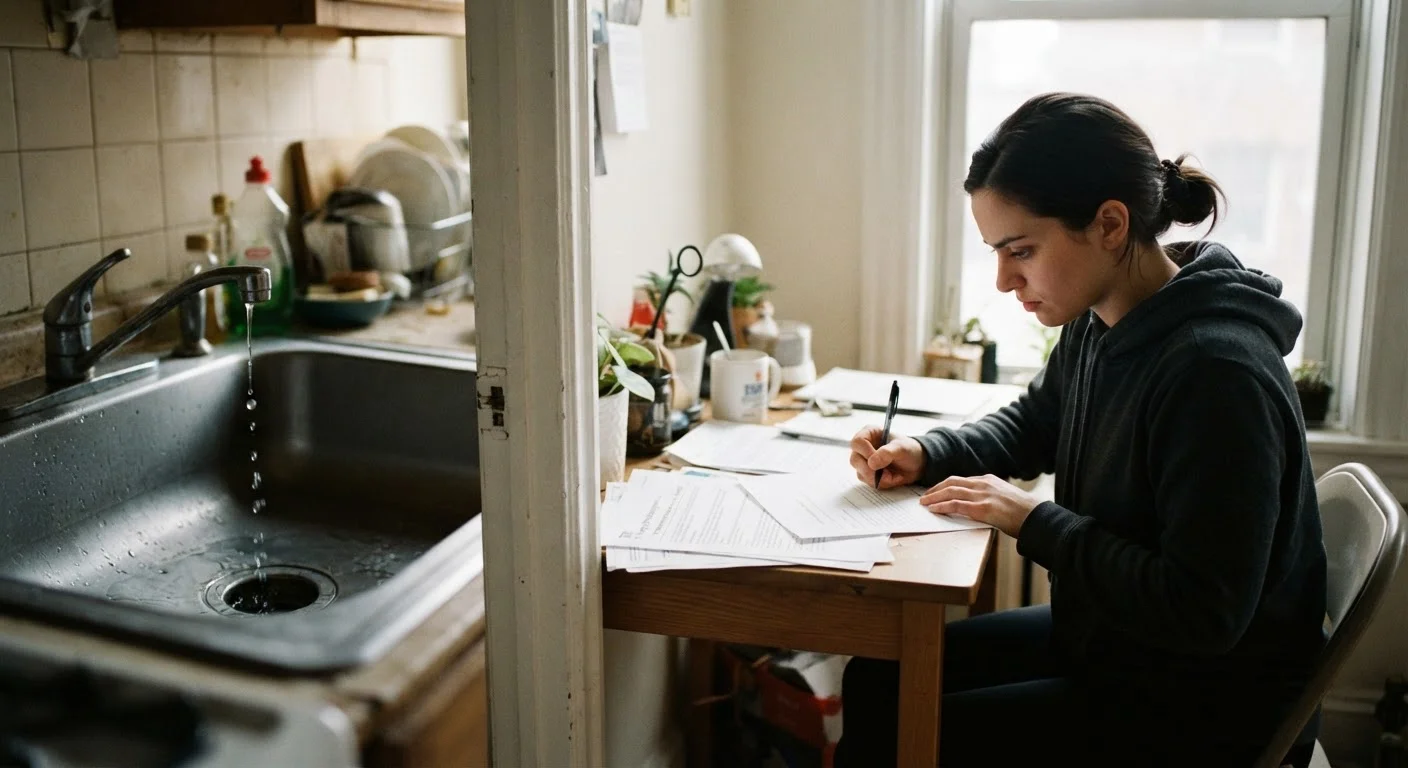
Photo credit: FaqInsider.com
In this article
Verbal promises don't hold up in disputes. Here's how to submit maintenance requests properly and what to do when a landlord doesn't respond.
Key Takeaways
- Verbal repair promises are legally unenforceable in most U.S. jurisdictions - always get requests in writing.
- A proper written request includes the date, specific defect, location, and a reasonable response deadline.
- Email and certified mail both create timestamped records; text messages can also serve as supporting evidence.
- Landlords in every state are legally required to maintain habitable conditions under the implied warranty of habitability.
- If a landlord ignores written requests, tenants may have legal remedies including rent withholding or repair-and-deduct, depending on state law.
- Keeping a maintenance log strengthens any future dispute, housing court case, or security deposit claim.
Why a Verbal Promise Leaves You Unprotected
It happens constantly: a tenant reports a broken heater or a leaking pipe, the landlord says "I'll get someone out there," and weeks pass with nothing done. When the tenant finally pushes back, the landlord claims they never heard about the problem - or that the tenant never followed up. Without a written record, the tenant has almost nothing to stand on.
This isn't a minor inconvenience. Landlords in every U.S. state are legally bound by what's known as the implied warranty of habitability - an obligation to keep rental units in a safe, livable condition. Covered issues typically include functioning heat, plumbing, structural safety, and pest control. But enforcing that obligation requires proof that you notified your landlord and gave them a reasonable opportunity to respond.
As our guide on renter rights many tenants overlook explains, these protections already exist in law - but they only work when tenants know how to invoke them correctly. A spoken conversation, however clear it seemed at the time, cannot be verified by a court, a housing inspector, or a mediator.
Even Texts and Voicemails Can Help
While email and certified mail are the strongest documentation channels, courts and mediators have accepted text message threads and voicemail transcripts as supporting evidence. Screenshot any relevant texts and save them in multiple locations. Follow up any text or voicemail with an email to create a more formal, durable record.
What a Proper Written Maintenance Request Includes
A well-constructed request doesn't need to be a legal document - it just needs to be specific, dated, and sent through a channel that creates a record. Before you write anything, gather what you need.
What you will need
Your written request should include all of the following:
- The date of your request
- Your name and unit address
- A clear description of the issue - what it is, where it's located, and when you first noticed it
- Any safety or health concern the defect creates (e.g., mold, no heat in winter)
- A reasonable deadline for a response - 14 days is standard for non-emergencies; 24-48 hours for urgent issues
- A request for confirmation that the landlord received your message
Keep your tone factual and professional. Avoid emotional language - the goal is documentation, not confrontation. See our article on landlord communication habits that protect you long-term for broader guidance on managing this relationship effectively.
Document the problem before you write anything
Take dated photographs or video of the defect. Note the date you first noticed it and whether it poses a health or safety risk. This baseline evidence supports your request and any future dispute.
Write your request using email or certified mail
Email is the most practical channel for most tenants - it's automatically timestamped and creates a searchable thread. If your landlord communicates primarily by phone or in person, follow up any verbal exchange with an email summary: "Per our conversation today, I'm writing to confirm I reported the following issue..."
For serious issues, send a physical letter via USPS Certified Mail with Return Receipt. The signed receipt proves delivery and date - important if a dispute ever reaches court.
Set a clear, reasonable response deadline
State explicitly in your message that you expect a written response or confirmation of a repair appointment within a defined timeframe. For non-urgent repairs, 14 days is a commonly accepted standard. For issues affecting heat, water, or structural safety, 24-48 hours is appropriate.
Save every response - and every non-response
Archive the email thread, your certified mail receipt, any repair confirmation, and any landlord reply. If the landlord does not respond by your stated deadline, send one follow-up referencing your original message and noting that the deadline has passed. Document the date you sent the follow-up.
Escalate through official channels if necessary
If written requests go unanswered and the problem remains unresolved, contact your local housing or building code enforcement office to request an inspection. You may also reach out to a local tenant rights organization, legal aid clinic, or housing court for guidance on your state-specific remedies before taking any self-help action such as repair-and-deduct.
When the Landlord Still Doesn't Respond
If your deadline passes without a response or repair, you have options - though they vary by state. The most common legal remedies include:
- Repair-and-deduct: In many states, tenants may hire a repair professional and deduct the cost from rent, up to a statutory limit. This typically requires prior written notice and a waiting period.
- Rent withholding: Some states allow tenants to withhold or reduce rent until repairs are made. This carries legal risk if done improperly - consult a tenant rights organization or attorney first.
- Contacting a housing inspector: Local code enforcement can inspect the property and issue violations, creating an official record of the problem independent of your own documentation.
- Filing in small claims or housing court: If you've suffered financial harm (medical costs, property damage, temporary housing expenses), a written paper trail is your primary evidence.
Misconceptions about what landlords can legally delay or ignore are surprisingly common. Our article on tenant rights myths that cost renters money breaks down what the law actually requires versus what landlords sometimes claim.
Know Your State Law Before Withholding Rent
Rent withholding and repair-and-deduct are not available in every state, and where they are, specific procedural steps must be followed. Acting without following those steps - even when a landlord is clearly at fault - can result in eviction proceedings against you. Contact a tenant rights organization or legal aid attorney in your area before taking either action.
Whatever action you take, continue documenting everything: follow-up messages, dates when repairs were or weren't made, and any communication from your landlord. A well-maintained log, as described in our guide on keeping a home maintenance log, can be decisive if a dispute escalates.
This article provides general educational information about tenant rights and is not legal advice. Laws governing landlord-tenant relationships vary significantly by state and locality. Consult a qualified attorney or local tenant rights organization for guidance specific to your situation.

Author
Real Estate Editorial Team
Real Estate Editorial Team is the collective byline for our editorial team and contributor network. Articles published under this byline or an editorial pen name are researched, written, and reviewed according to our editorial standards for clarity, consistency, and independence before publication.
View all articles →