
Flight Alerts, Fare Calendars, and Flexible Dates: Tools Budget Travelers Actually Use
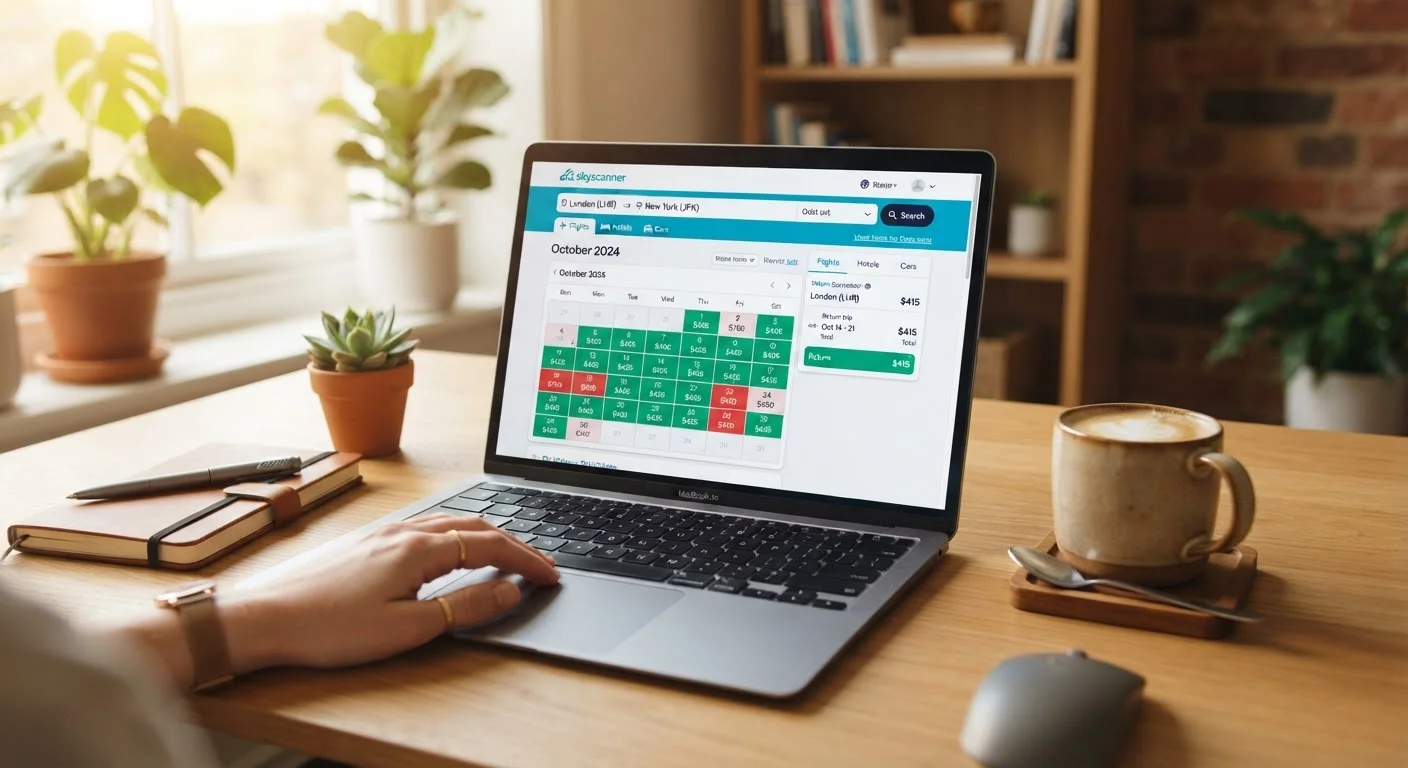
Photo credit: FaqInsider.com
In this article
A practical look at the tools and techniques experienced budget travelers use to find lower airfares without constantly monitoring prices.
Why the Right Tools Change the Game
Finding a lower airfare isn't about luck - it's about using the right tools at the right time. Experienced budget travelers don't obsessively refresh booking sites; instead, they set up systems that do the monitoring for them. The goal is to stay informed without burning hours online.
Three approaches consistently deliver results: fare alerts, fare calendars, and flexible date searches. Each one works differently, and knowing when to lean on each can meaningfully shape what you pay. This reference breaks down how each tool works and how to use it effectively.
For a fuller picture of how airfare fits into a complete trip budget, see our guide to building a well-structured travel budget.
Fare Alerts: Passive Monitoring That Works
A fare alert is a notification - delivered by email or app - that triggers when a flight price drops below a threshold you set, or when prices shift significantly on a route you're watching. Rather than checking prices daily, you get notified only when something changes.
Most major flight search platforms offer fare alerts for free. You typically enter your origin, destination, and optionally a target price or date range. The system checks prices on an ongoing basis and pings you when conditions are favorable.
How to Set Alerts Strategically
- Watch a route, not just one date. Set alerts for flexible windows if your schedule allows - some platforms let you monitor an entire month or season.
- Set a realistic price target. Research average fares for your route first so your alert threshold is grounded in reality, not wishful thinking.
- Check your alert timing. Prices fluctuate constantly. An alert from this morning may reflect a fare that's already gone - always verify before assuming it's still available.
To understand what research actually says about when fares tend to drop, read our breakdown of flight booking timing.
Fare Calendars: Seeing Price Patterns at a Glance
A fare calendar displays prices across an entire month (or longer) in a single view, so you can immediately spot which dates are more expensive and which are softer. Most major flight search tools offer some version of this feature - often labeled as a calendar view or flexible dates grid.
Fare Calendars Show Estimates, Not Guarantees
The prices displayed on fare calendars are typically the lowest available fare at the time of the search - they can change by the time you click through to book. Treat calendar prices as directional signals rather than locked-in offers. Always confirm the final price on the booking page before entering payment details.
Fare calendars are especially useful when your destination is fixed but your exact travel window is flexible. You can quickly identify that flying out on a Tuesday rather than a Friday might yield a noticeably different fare - without manually testing each combination.
Getting the Most from a Fare Calendar
- Look at round-trip combinations. The cheapest outbound date may not pair well with the cheapest return. Use the grid to find the most affordable combination overall.
- Check shoulder dates. The day before or after a holiday or peak weekend often shows softer pricing.
- Screenshot your findings. Prices can change between when you research and when you book. Keep a record of what you saw and when.
Flexible Date Search: Broadening the Window
Flexible date search is a feature that lets you enter a rough travel window - such as "anytime in March" or "within a week of my target date" - and returns results sorted by price across that range. It's the broadest tool of the three and is most useful in the early planning phase, when you haven't yet committed to specific dates.
This approach pairs naturally with the broader planning habit of keeping your schedule open-ended until you've identified the best pricing window. The system-based approach to budget travel planning relies heavily on this kind of flexibility.
When Flexibility Actually Helps
- If your trip is leisure-driven with no hard deadline, even a 2-3 day shift in your travel window can surface meaningfully different prices.
- Flexible searches can also reveal that an alternate nearby airport is dramatically cheaper - worth factoring in when total travel cost is the goal.
- Be honest about your constraints. If you can't actually travel on those cheaper dates, the tool's value is limited - and booking a fare you can't use creates its own costs. See what to know about flexible vs. non-refundable bookings before committing.
These tools work best together: use flexible search to identify the cheapest window, use a fare calendar to pinpoint the best date combination, then set an alert to monitor prices until you're ready to book.

Author
Travel Editorial Team
Travel Editorial Team is the collective byline for our editorial team and contributor network. Articles published under this byline or an editorial pen name are researched, written, and reviewed according to our editorial standards for clarity, consistency, and independence before publication.
View all articles →