
Free and Low-Cost Activities That Actually Define a Place
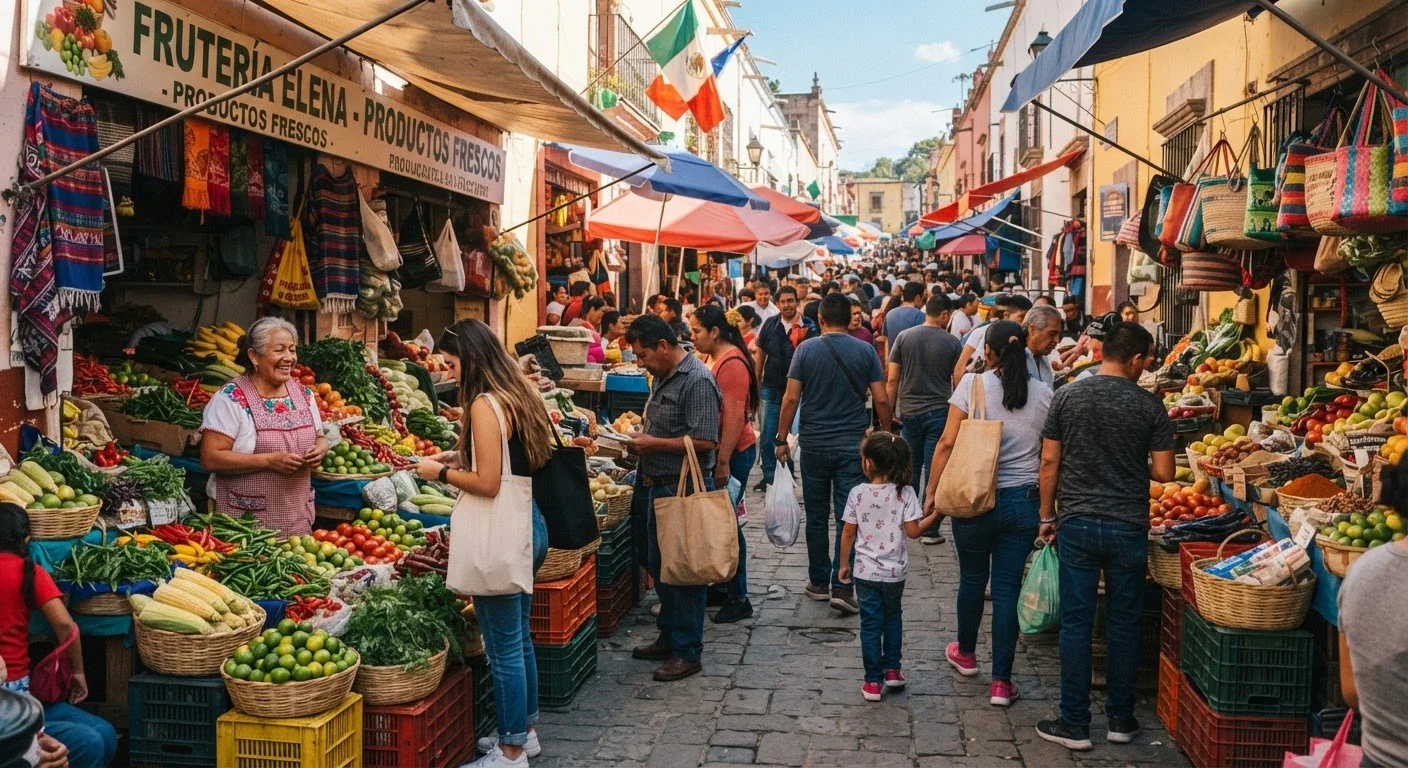
Photo credit: FaqInsider.com
Markets, public parks, festivals, and walking neighborhoods often reveal more about a destination than paid attractions. A curated look at what to seek out.
Key Takeaways
- Free and low-cost activities like markets, parks, and walking tours often offer the most authentic cultural experiences.
- Many defining local experiences - neighborhood festivals, public plazas, waterfronts - cost nothing to enjoy.
- Pairing free activities with a little advance research helps you spend less without missing what makes a destination special.
- Slow, intentional exploration of everyday spaces almost always reveals more than a packed itinerary of paid attractions.
- Budget-conscious travel doesn't mean sacrificing depth - it often means going deeper.
The Best Things About a Place Are Often Free
Somewhere along the way, travel got expensive to prove it was worthwhile. Entrance fees, guided tours, curated experiences - the implied message is that discovery comes with a price tag. But the travelers who tend to feel most connected to the places they visit are often the ones who wandered a neighborhood market at 9 a.m., stumbled onto a street festival, or just sat in a public square and watched the city happen around them.
These aren't consolation prizes for people on a tight budget. They're frequently the experiences that stick. As our look at what budget travel really includes makes clear, spending less doesn't mean experiencing less - it often means experiencing differently, and sometimes better.
Below are eight types of free and low-cost activities that tend to define a destination more honestly than their pricier counterparts.
Public Markets
Farmers markets, covered food halls, street markets, fish markets - these are among the most culturally rich spaces in any city or town. They show you what people eat, how they barter, what's seasonal, and how commerce feels at a human scale. Most are free to enter; a few dollars spent on a snack or a piece of fruit is entirely optional.
Look for markets that serve locals rather than tourists. A market inside a train station or near a residential neighborhood will almost always be more revealing than one positioned near a major landmark.
Markets show you what people eat, how they barter, and how commerce feels at a human scale.
Walkable Neighborhoods With Distinct Character
Every city has a neighborhood or two that captures something essential about who lives there and how. These areas rarely require a ticket. The cost is time and comfortable shoes. A slow two-hour walk through a neighborhood - stopping at a bakery, reading posted notices, watching kids at a playground - offers the kind of context that no museum exhibit can fully replicate.
Before you go, look up which neighborhoods locals actually recommend rather than which ones appear in every travel feature. Guidebook darlings and genuinely lived-in districts aren't always the same thing.
A slow walk through a real neighborhood offers context no museum exhibit can fully replicate.
Free Museum Days and Pay-What-You-Wish Hours
Many museums - particularly publicly funded ones - offer free admission on certain days or during specific evening hours. Some operate on a voluntary contribution model. These aren't obscure workarounds; they're programmed access points designed for locals and travelers alike.
A quick check of a museum's website before your trip usually reveals these windows. This matters because a world-class collection doesn't become less valuable just because you're not paying full price to see it.
A world-class museum collection doesn't become less valuable because you entered during a free window.
Public Parks and Green Spaces
Public parks are underrated destinations in their own right. Many cities have built iconic green spaces that serve as the social center of community life - weekend gatherings, informal sports leagues, outdoor concerts, sunset rituals. Visiting a well-used public park at the right time of day can be more memorable than a scheduled tour.
Waterfront parks, hilltop overlooks, and botanical gardens with free admission are especially worth seeking out. These spaces often provide both a visual anchor for understanding a city's geography and an easy way to slow down and observe.
A well-used public park at the right time of day can outshine any scheduled sightseeing tour.
Local Festivals and Community Events
Street festivals, neighborhood fairs, religious observances, harvest celebrations, and cultural parades happen in virtually every destination at some point in the year - and the majority are free or nearly free to attend. These events are concentrated expressions of local identity, and they're often the experiences travelers talk about for years.
A destination's tourism board or local events calendar (usually findable via a city's official website) can surface upcoming events. For more examples of what travelers routinely overlook in this category, see our guide to free experiences most tourists miss.
Street festivals and local celebrations are concentrated expressions of identity - and usually free.
Public Architecture and Plazas
Historic squares, civic buildings, waterfronts, bridges, and public monuments are open to anyone. The architectural language of a city - how it was laid out, what it chose to commemorate, how public and private space interact - is legible just by walking through it. You don't need a guide to understand that a grand boulevard or a crumbling colonial arcade is telling you something important.
Bring a sense of curiosity rather than a checklist. The goal isn't to photograph every landmark but to notice the relationship between the built environment and the people living inside it.
A city's architecture tells its history openly - no ticket or tour guide required.
Libraries and Cultural Centers
Public libraries in many cities are architectural landmarks, community hubs, and free entry points into local intellectual and cultural life. They often host exhibitions, readings, film screenings, and language exchange events open to anyone. Cultural centers - particularly those serving specific immigrant or Indigenous communities - can offer a depth of context that mainstream tourist attractions rarely match.
These spaces tend to be quiet, welcoming, and genuinely illuminating about what a community values and preserves.
Public libraries and cultural centers offer depth of context that mainstream tourist attractions rarely match.
Beaches, Rivers, and Natural Access Points
Where geography allows, publicly accessible natural spaces - beaches, riverbanks, lakefronts, hiking trails - are often among a destination's defining features. Many are free. Even where access involves a modest entry fee, the experience of swimming in the same water or walking the same coastline that locals do carries a grounding quality that packaged excursions can struggle to replicate.
Verify access rules and any safety advisories before visiting, and check whether conditions are suitable for your planned activities. Local authorities or park services are the most reliable source for current information.
Publicly accessible natural spaces let you share the same landscape that locals call home.
Making the Most of These Experiences
The common thread running through all of these? None of them require much planning - but a little research pays off. Knowing when a neighborhood market runs, whether a local festival falls during your visit, or which public park has the best sunset view takes about twenty minutes of reading before you leave home.
Research Pays Off Before You Go
Spending 20-30 minutes before your trip identifying free local events, open-access cultural sites, and neighborhood market schedules can shape your entire itinerary for the better. City government websites, local arts boards, and community event calendars are often more useful than travel apps for this kind of research. The goal is to find what residents actually do, not what visitors are directed toward.
If you want a replicable system for finding these kinds of experiences before every trip, our guide to planning low-cost trips consistently is a good place to start. And if you're weighing whether to spend more time in fewer places - which tends to unlock more of these organic moments - the slow travel vs. destination hopping comparison lays out both sides clearly.
Paid attractions have their place. But the soul of most destinations lives in the free spaces - the markets, the parks, the waterfront walks, the neighborhoods where people actually live. Those are where the real trip happens.

Author
Travel Editorial Team
Travel Editorial Team is the collective byline for our editorial team and contributor network. Articles published under this byline or an editorial pen name are researched, written, and reviewed according to our editorial standards for clarity, consistency, and independence before publication.
View all articles →