
Free and Low-Cost Experiences Most Tourists Completely Miss
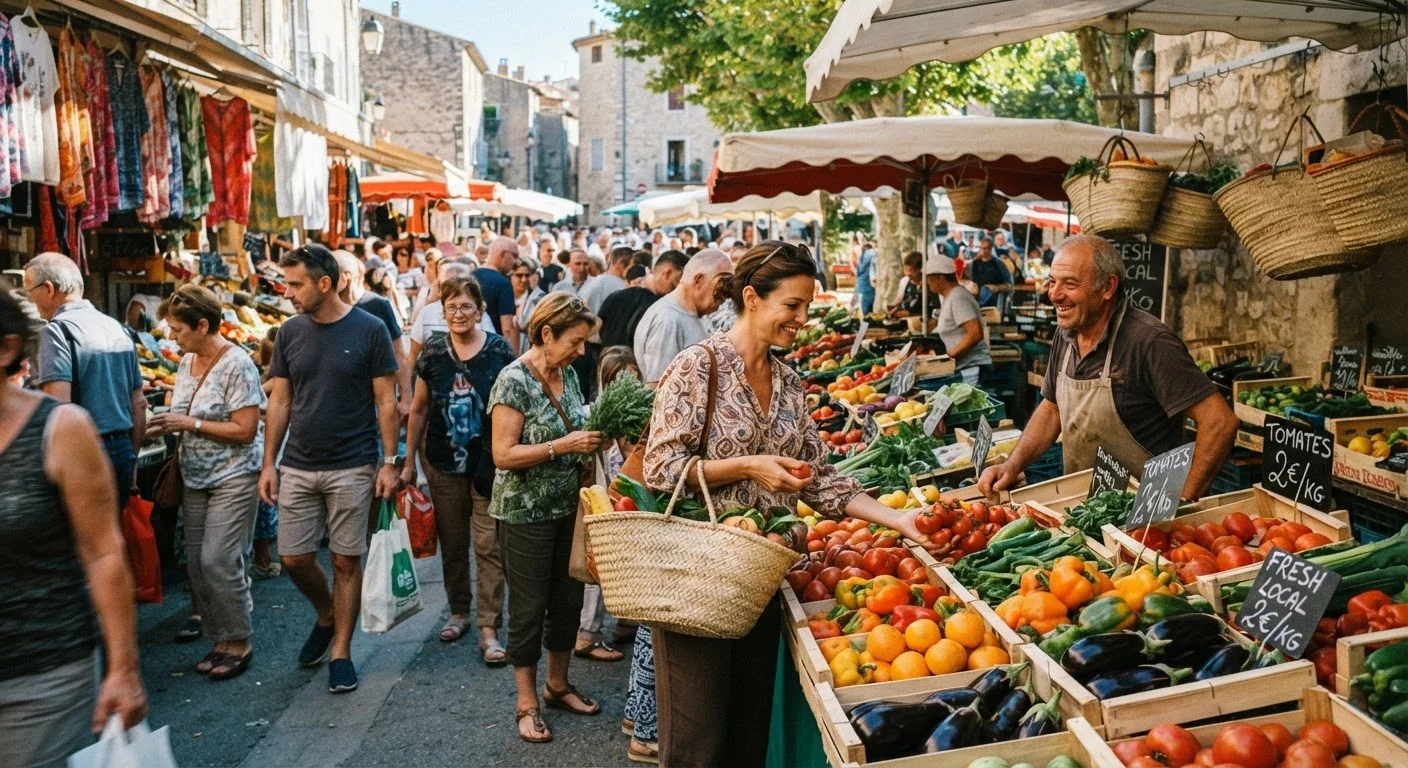
Photo credit: FaqInsider.com
Museums, markets, parks, walking routes, and local festivals often cost little or nothing. A curated look at the kinds of experiences travelers routinely overlook.
Key Takeaways
- Many of a destination's most memorable experiences cost little or nothing to access.
- Free museum days, public parks, and local festivals are frequently overlooked by tourists.
- Walking neighborhoods and attending community events reveal culture paid tours often miss.
- Planning ahead helps you find low-cost gems before your itinerary fills with expensive options.
- Shifting your travel mindset from attractions to experiences stretches your budget significantly.
Why the Best Moments Often Don't Cost Much
Most travelers build their itineraries around the obvious: famous landmarks, guided tours, curated museums with $30 entry fees. It makes sense - those are the places that dominate travel guides and social feeds. But a pattern emerges when you talk to seasoned travelers: the moments they remember most vividly are almost never the priciest ones.
It's the morning they stumbled into a neighborhood market. The free concert in a city square. The walk through an old district that cost nothing but time and curiosity. These experiences aren't accidents - they're a category of travel that gets systematically underplanned.
The good news: with a little intentional research before you go, you can fill your trip with exactly this kind of richness. See our trip planning hub for practical frameworks to build smarter itineraries from the start. And if you want a clear-eyed look at what budget travel actually involves, this breakdown of what low-budget trips really include is worth a read before you book.
Museum Free Days and Pay-What-You-Wish Hours
A surprising number of well-regarded museums - including major art institutions, natural history museums, and science centers - offer free or reduced-price admission on specific days or evenings. Some operate on a permanent pay-what-you-wish model. These policies exist year-round and aren't advertised prominently on booking platforms.
Before your trip, check the museum's official website directly for admission exceptions. Many cities also offer free admission to residents on certain days - and some extend that policy to all visitors. Arriving during a free window means the same galleries, the same collections, and none of the ticket-line stress.
Many top-tier museums offer free or reduced-price admission windows that rarely appear in travel guides.
Public Parks and Green Spaces With Serious Character
City parks are perpetually underrated by tourists because they're free and therefore assumed to be ordinary. In reality, many parks contain sculpture gardens, historic structures, botanical sections, performance spaces, or walking paths through genuinely striking landscapes.
Beyond the scenery, parks are where locals actually spend their leisure time - dog walkers, families, pickup games, weekend gatherings. Spending an unhurried morning or afternoon in a well-designed city park often delivers more genuine cultural immersion than a structured tour at twice the cost.
City parks offer free immersion in local life that no guided tour can replicate.
Neighborhood Walking Routes Off the Tourist Grid
Every city has neighborhoods that don't appear prominently in mainstream tourism but are full of independent shops, murals, architecture, and street-level life. These areas are almost always walkable, entirely free to explore, and significantly more reflective of how a place actually operates day-to-day.
Look for neighborhoods described as "up-and-coming" or "historically significant" in local media. City tourism offices sometimes publish self-guided walking maps - a free resource worth downloading before you go. For a deeper look at what kinds of activities genuinely define a place, this guide to free and low-cost defining experiences is a useful companion.
Self-guided walks through local neighborhoods cost nothing and reveal more than most paid attractions.
Local Markets - Food, Craft, and Flea
Farmers markets, weekend flea markets, artisan craft markets, and covered food halls are among the most culturally rich environments a traveler can enter - and they're almost universally free to browse. Buying something is optional; the experience of moving through a working local market is available to anyone who shows up.
Markets reflect what a community actually eats, makes, values, and sells. They're also excellent places to have unscripted conversations with vendors and locals in a natural, low-pressure setting. Check city event calendars or neighborhood association websites for market schedules - they're often weekend-only and easy to miss if you don't look.
Local markets are free to enter and offer an unfiltered window into everyday community life.
Community Festivals, Outdoor Concerts, and Public Events
Cities host an enormous volume of free public programming: outdoor concert series, cultural festivals, film screenings in parks, food events, and seasonal celebrations. Most of these are organized through city arts boards, neighborhood associations, or cultural nonprofits - and they're designed for residents, not tourists.
Because they're not promoted through standard travel channels, most visitors never encounter them. A 10-minute scan of a city's official events calendar or a local weekly paper's listings - done before you travel - can surface events that would otherwise be completely invisible to an outsider. Attending one can be the most memorable evening of a trip for $0.
Free public festivals and concerts designed for locals are often a trip's most memorable moments.
Historic Districts, Public Architecture, and Open-Access Landmarks
Many of the most architecturally or historically significant places in a city are fully accessible to the public at no cost - historic districts you can walk through, public buildings with notable interiors, plazas surrounding famous structures, and waterfront promenades with significant views.
Entry fees at some landmarks fund specific preservation programs, but standing outside a famous building, walking a historic main street, or exploring a publicly accessible civic space requires no ticket at all. Researching what's freely viewable versus what requires paid admission before you arrive helps you allocate your budget where it genuinely adds value.
Historic streets and public landmarks are often fully accessible without any entry fee.
Making Low-Cost Exploration a Travel Habit
The experiences above aren't rare finds - they exist in nearly every destination, from mid-size American cities to major international hubs. The difference between tourists who discover them and those who don't usually comes down to one thing: looking before the trip, not during it.
A quick search for "free days" at local museums, a glance at a city's community events calendar, or asking a hotel desk what neighborhoods locals actually walk - these habits take minutes and pay off enormously. Building a repeatable planning system means you won't scramble to find value after arriving. And knowing where budget travelers typically overspend helps protect the savings you're generating with smart free-experience choices.
Search Local Before You Book Anything
Before finalizing a day-by-day itinerary, spend 15 minutes on the official city tourism site and a local news source. Search for free museum days, community events, and self-guided walking routes for your travel dates. This one step consistently surfaces low-cost experiences that travel booking platforms never surface.
Travel that feels rich isn't always expensive travel. Shifting your lens from "what do I pay to see" to "what is this place actually doing today" opens up a completely different - and often more authentic - kind of trip.

Author
Travel Editorial Team
Travel Editorial Team is the collective byline for our editorial team and contributor network. Articles published under this byline or an editorial pen name are researched, written, and reviewed according to our editorial standards for clarity, consistency, and independence before publication.
View all articles →