
Hostels vs. Budget Hotels: Weighing the Overnight Trade-Offs
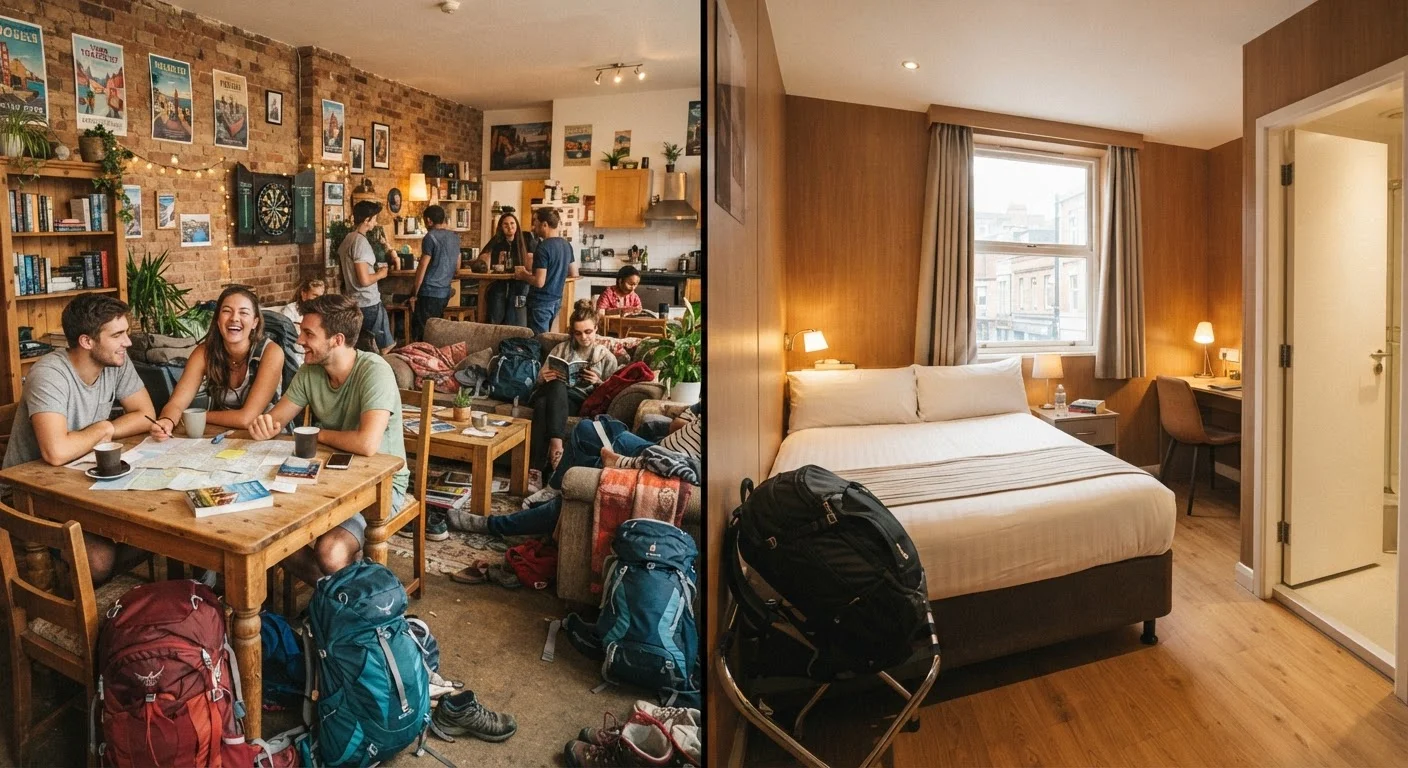
Photo credit: FaqInsider.com
In this article
Dorm beds or private rooms on a budget? A practical look at what separates hostels from budget hotels across cost, comfort, safety, and social experience.
Key Takeaways
- Hostel dorm beds typically cost significantly less per night than even budget hotel private rooms.
- Budget hotels offer guaranteed private rooms, which matters for couples, light sleepers, and those traveling with valuables.
- Hostels often provide a built-in social scene and local tips from staff and fellow guests.
- Safety standards vary widely in both categories - researching reviews and security features is essential.
- Your ideal choice shifts depending on destination, trip length, travel style, and budget flexibility.
The Cost Reality: What You're Actually Paying For
Cost is usually the first filter travelers apply - and the gap between hostels and budget hotels is real, though it varies by destination. Hostel dorm beds in popular cities can run anywhere from $15 to $45 per night, while private rooms in budget hotels for the same city might range from $60 to $120. But those numbers aren't the whole picture.
A hostel bed often includes access to a shared kitchen, which means you can cook some meals rather than eating out every night - a meaningful saving over a week-long trip. Some hostels also include simple breakfast or provide free coffee, further stretching your daily spend. Budget hotels, by contrast, may charge separately for breakfast and rarely include kitchen access.
The calculus shifts when you're traveling with a partner. Splitting a $80 budget hotel room two ways lands each person at $40 - close to or even less than some hostel private-room rates. Understanding this arithmetic is part of structuring your travel budget effectively.
| Criterion | Hostels | Budget Hotels |
|---|---|---|
| Typical nightly cost | $15-$45 (dorm bed) | $60-$120 (private room) |
| Privacy | Shared dorm, communal bathrooms | Private room, usually private bath |
| Kitchen access | Usually available (shared) | Rarely available |
| Social atmosphere | High - common areas, events | Low - mostly independent stays |
| Security for valuables | Lockers (quality varies) | In-room safe or lockable door |
| Sleep reliability | Variable - depends on dorm guests | More consistent and predictable |
| Best group size | Solo travelers | Couples or small groups |
Comfort, Privacy, and Sleep: The Real Overnight Experience
A hostel dorm bed means sharing a room with anywhere from four to twenty strangers. Bunk beds, shared bathrooms, lockers for valuables, and the ambient noise of different schedules are all part of the deal. Many experienced hostel-goers develop rituals - earplugs, eye masks, packing a headlamp - that make the experience entirely manageable.
Budget hotels deliver a private room, your own bathroom (usually), a lockable door, and the freedom to keep your own schedule without disturbing anyone. For light sleepers, early risers, or anyone carrying laptops and camera equipment, that private space has genuine practical value - not just comfort-preference value.
Cleanliness and safety standards vary considerably within both categories. A well-run hostel can be spotless and secure; a poorly managed budget hotel can be neither. Reading recent guest reviews across multiple platforms gives a more accurate picture than star ratings or price alone. Look specifically for comments on noise levels, locker quality in hostels, and door lock reliability in budget hotels.
~40%
Typical hostel cost savings vs. budget hotel
Travel industry estimates generally place dorm bed costs at roughly 40-60% less than private budget hotel rooms in the same city, though this varies widely by destination and season.
70%+
Solo travelers who report meeting friends at hostels
Multiple traveler surveys conducted by hostel booking platforms have found that the majority of solo hostel guests cite social connections as a key benefit of the stay.
Social Scene vs. Solitude: Which Experience Suits Your Trip
One of the most underrated aspects of hostel life is the built-in social infrastructure. Common areas, communal dinners, organized pub crawls, and staff-led city tours create natural opportunities to meet other travelers. For solo travelers in particular, this removes much of the social friction that can come with independent travel.
Budget hotels, on the other hand, offer something equally valuable: mental space. If you're traveling for work, recovering from a hectic itinerary, or simply prefer solitude, the quiet of a private room is a feature rather than a limitation. There's no pressure to socialize, and you can process the day on your own terms.
Some travelers mix both approaches across a single trip - hostels in social, high-energy cities, budget hotels in quieter destinations or when fatigue sets in. This flexible strategy is part of what budget travel actually involves at a practical level: matching your accommodation choice to your energy and objectives rather than applying one rule everywhere.
For a deeper look at comparing lodging trade-offs side by side, choosing the right lodging for your travel style covers additional considerations worth reviewing before you book.
Safety Verification: Always Check Before You Book
Neither hostels nor budget hotels are universally safe or unsafe - it depends on the specific property. Before booking either, check whether the property has 24-hour reception, secure key-card or locker access, and recent positive reviews on safety and cleanliness. For international destinations, also consult your government's official travel advisory pages for up-to-date guidance on your destination. Conditions and standards vary significantly by country and region.

Author
Travel Editorial Team
Travel Editorial Team is the collective byline for our editorial team and contributor network. Articles published under this byline or an editorial pen name are researched, written, and reviewed according to our editorial standards for clarity, consistency, and independence before publication.
View all articles →