
Stretching a Travel Budget: A First-Timer's Complete Starting Point
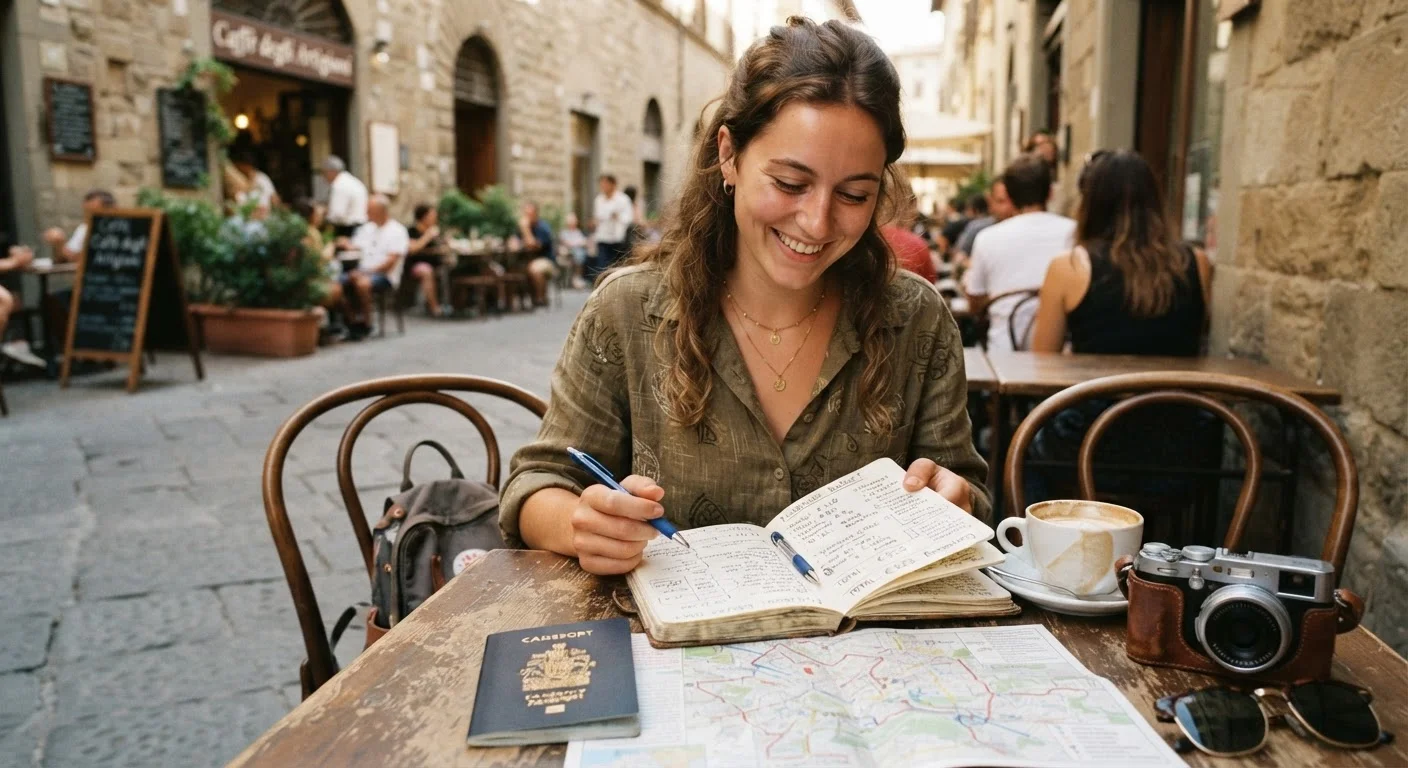
Photo credit: FaqInsider.com
In this article
New to budget travel? This guide covers the foundational habits, planning strategies, and mindset shifts that help everyday travelers spend less.
Key Takeaways
- Budget travel is about intentional spending choices, not deprivation or discomfort.
- Flexibility on dates and destinations is your single most powerful cost-cutting tool.
- Lodging and flights typically consume the largest share of any travel budget.
- Small daily habits - like eating where locals eat - compound into meaningful savings.
- Planning ahead with a written budget dramatically reduces overspending on the road.
- Slow travel (fewer destinations, longer stays) often costs less and feels more rewarding.
What Budget Travel Actually Means
Budget travel isn't about sleeping in uncomfortable places or skipping every experience worth having. It's about being deliberate - deciding in advance what matters most to you and putting your money there, rather than spending passively and wondering where it went.
For first-timers, that distinction is everything. Travelers who feel like budget travel is a sacrifice are usually approaching it as restriction. Travelers who love it treat it as a puzzle: how do I experience more of this destination for less? The difference is mindset, not bank balance.
Shoulder season
The travel period just before or after a destination's peak tourist season. Prices for flights and lodging are typically lower, crowds are smaller, and the experience often feels more authentic.
Daily spending target
A self-set limit on how much you'll spend per day on food, transport, and activities. It acts as a guardrail that keeps your total trip cost predictable.
Slow travel
A travel style focused on spending more time in fewer destinations instead of rushing between many stops. It reduces transit costs and often leads to a deeper experience of each place.
Buffer fund
A percentage of your total travel budget set aside for unexpected costs - delays, surprise fees, or spontaneous opportunities. A 10-15% buffer is a common starting point.
Cost of living
How expensive everyday items (meals, transport, accommodation) are in a given location. Budget travelers often choose destinations with a lower cost of living to stretch their money further.
The Mindset Shift That Changes Everything
The most effective cost-cutting move you can make isn't a coupon or a hack - it's flexibility. Travelers who can shift departure dates by a few days, consider an alternate airport, or swap their first-choice city for a comparable destination consistently find lower prices across flights, accommodation, and even food.
Rigidity is expensive. If your trip must happen on specific dates at a specific destination, you're at the mercy of peak pricing. If you can move even a little, the savings tend to follow.
Practice Flexibility Before You Book
Before committing to dates or a destination, spend 20-30 minutes exploring alternatives. Search the same trip a few days earlier or later, or check whether a nearby city offers a similar experience at a lower entry cost. That brief research window regularly surfaces meaningful savings - and often leads to a more interesting itinerary than your original plan.
Where Your Money Actually Goes
Most travel budgets break down into five categories: flights, lodging, food, local transportation, and activities. For the majority of trips, flights and lodging claim the largest share - often 50-65% of total spending combined. That's where your planning energy should concentrate.
- Flights: Shoulder season travel and flexible routing can meaningfully reduce fares. Compare ground alternatives for shorter legs - trains and buses are often far cheaper than flying. See how trains, buses, and ride-shares compare for intercity travel.
- Lodging: Private rooms in guesthouses, apartment rentals, or hostels with private options often undercut hotels significantly without sacrificing comfort.
- Food: Eating where locals eat - markets, neighborhood spots away from tourist centers - cuts food costs dramatically and usually tastes better.
- Activities: Many of the most memorable travel experiences are free or low-cost: walking neighborhoods, public beaches, museums with free admission days, local festivals.
For a full breakdown of how to estimate each category before you travel, see the real logic behind travel budgeting.
Core Habits That Keep Costs Down
Seasoned budget travelers don't rely on luck or last-minute deals. They build repeatable habits that work across destinations:
- Research before you arrive. Know the local transport system, typical meal prices, and which neighborhoods suit your budget. Surprises on the ground are almost always more expensive.
- Set a daily spending target. Divide your total accommodation-and-food budget by the number of days. That number becomes your daily anchor - spend under it and you've created breathing room for bigger experiences.
- Track spending in real time. A simple notes app works fine. Reviewing what you spent each evening catches drift early.
- Move less frequently. Every transit leg costs money and time. Slow travel - staying longer in fewer places - is one of the most underrated budget strategies available.
Building Your First Travel Budget
Before booking anything, build a written estimate. Start with your total available funds, then work backward through the five categories above. Leave a 10-15% buffer for costs you didn't anticipate - entry fees, transit delays, a meal you splurged on because it smelled incredible.
This isn't complicated, but it does require honesty. Many first-timers underestimate daily spending by 20-30% because they plan for their best-case behavior, not their realistic behavior. Be generous with your estimates in the planning stage - you can always underspend.
For a step-by-step structure, the anatomy of a well-built travel budget covers each cost category with practical guidance on what to expect.
Your Budget Will Evolve as You Plan
Don't wait until you have a perfect estimate to start planning - your first draft will be rough, and that's fine. As you research accommodation prices, look up flight fare ranges, and read about a destination's typical food costs, your numbers will sharpen naturally. Treat the first budget as a living document, not a final answer.
Next Steps for New Budget Travelers
This guide gives you the foundation. The next step is putting it into a real plan. Whether you're heading abroad for the first time or finally tackling that domestic trip you've been postponing, the planning process is the same: research, estimate, set a daily limit, and stay flexible.
If you want a full walkthrough of what a realistic budget travel plan looks like from start to finish, see a complete budget travel plan example. And if you're ready to turn these habits into a consistent system, building a repeatable low-cost trip planning system is worth bookmarking for your next trip - and the one after that.
Travel doesn't have to be expensive. It has to be planned.
Frequently Asked Questions

Author
Travel Editorial Team
Travel Editorial Team is the collective byline for our editorial team and contributor network. Articles published under this byline or an editorial pen name are researched, written, and reviewed according to our editorial standards for clarity, consistency, and independence before publication.
View all articles →