
Travel Insurance on a Budget: What It Covers and When It's Worth It
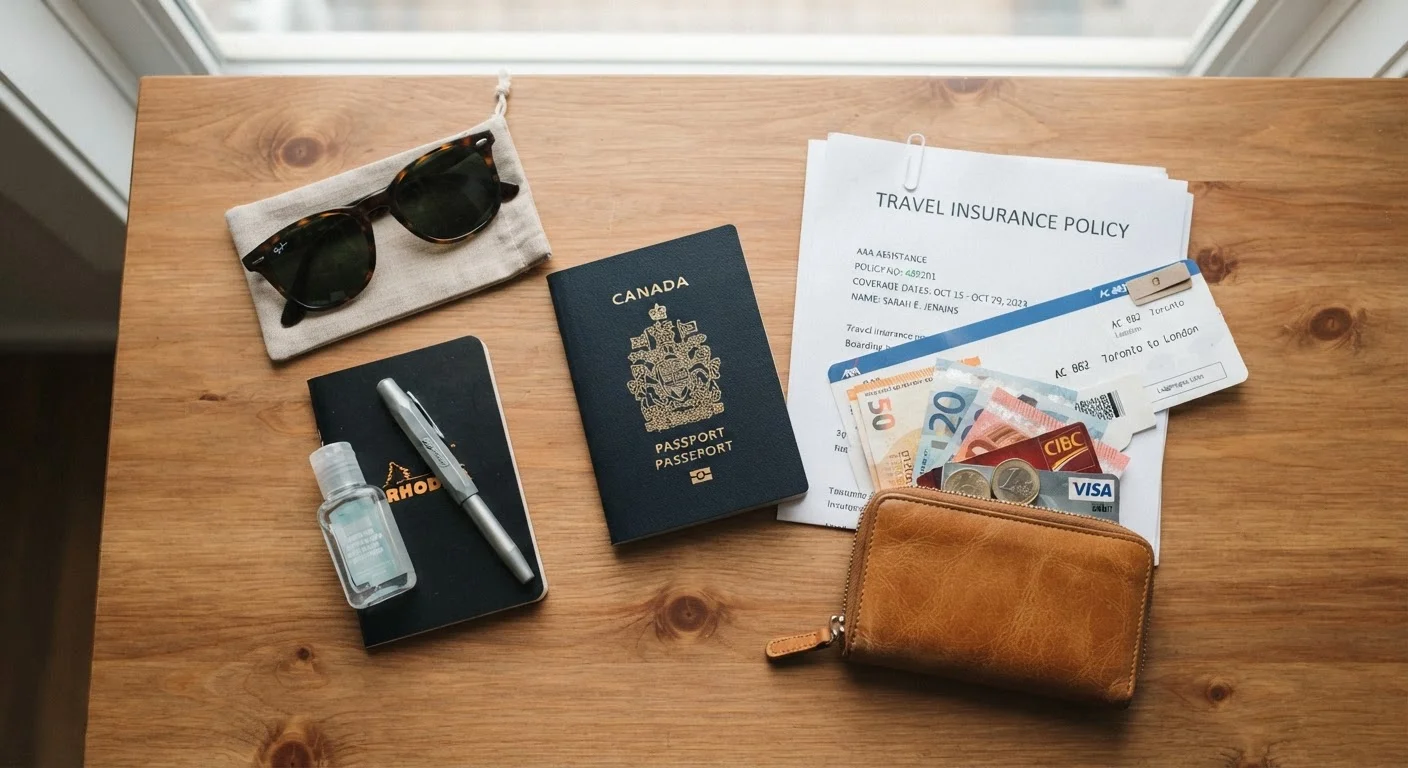
Photo credit: FaqInsider.com
In this article
Skipping travel insurance to save money can backfire. A clear explanation of what standard policies cover, what they don't, and how to evaluate whether you need one.
Key Takeaways
- Travel insurance typically costs 4-10% of your total prepaid, nonrefundable trip cost.
- Standard policies cover trip cancellation, medical emergencies, and lost baggage - but exclusions matter.
- For short domestic trips with flexible bookings, insurance may add more cost than value.
- International travel and expensive prepaid itineraries are where coverage tends to pay off most.
- Some credit cards include limited travel protection - always check before buying a separate policy.
Protects large nonrefundable prepaid trip costs
Trip cancellation coverage can reimburse thousands in flights, hotels, and tours if an illness or emergency forces you to cancel. For expensive itineraries, this alone can justify the premium.
Fills the overseas medical coverage gap
Most U.S. health insurance plans have limited or no coverage abroad. Travel medical insurance steps in to cover emergency treatment costs that would otherwise come entirely out of pocket.
Emergency evacuation coverage can be invaluable
Medical evacuations from remote destinations can cost tens of thousands of dollars. A policy with evacuation coverage eliminates that exposure for a fraction of the potential bill.
Provides peace of mind on complex itineraries
Multi-destination or multi-leg trips have more moving parts - and more things that can go wrong. Insurance reduces the financial stress of disruptions like missed connections or carrier delays.
Baggage and delay benefits add practical value
Reimbursement for delayed bags or unexpected overnight stays due to carrier delays can offset real out-of-pocket costs, especially on long international journeys.
Adds 4-10% to your total trip cost
For a $3,000 trip, that's $120-$300 before you've spent a dollar on the ground. On short or low-cost trips, this premium can feel hard to justify.
Covered reasons for cancellation are narrowly defined
Standard policies don't cover every reason you might cancel. Changing your mind, work schedule conflicts, or fear of travel generally aren't covered without a pricier "cancel for any reason" add-on.
Pre-existing conditions often require careful navigation
Many policies exclude pre-existing medical conditions unless you purchase within a short window after your initial deposit. Missing that window can leave a significant gap in your coverage.
Credit cards may already cover some of the same ground
Many travel rewards cards include trip delay, cancellation, and baggage protections. Buying a full standalone policy without checking card benefits first can mean paying twice for overlapping coverage.
Low value for flexible or refundable bookings
If most of your travel costs are refundable - budget airlines with flexible fares, hotels with free cancellation - trip cancellation coverage provides little practical benefit.
Claims process can be time-consuming
Filing a claim typically requires documentation: receipts, medical records, carrier statements. Reimbursement is rarely instant, and disputed claims add stress to an already difficult situation.
What Standard Travel Insurance Actually Covers
Most comprehensive travel insurance policies bundle several types of protection into a single plan. Understanding each component helps you judge whether the package matches your actual needs.
- Trip cancellation and interruption: Reimburses prepaid, nonrefundable costs if you cancel or cut short a trip due to a covered reason - typically illness, injury, a death in the family, or a natural disaster. "Cancel for any reason" upgrades exist but cost more.
- Travel medical coverage: Pays for emergency medical treatment abroad. This is often the most financially significant benefit, since many U.S. health plans provide little or no coverage outside the country. See what travel health insurance typically includes for a full breakdown.
- Emergency medical evacuation: Covers transport to an adequate medical facility, which can run into the tens of thousands of dollars in remote regions.
- Baggage loss and delay: Provides reimbursement if luggage is lost, stolen, or significantly delayed by a carrier.
- Travel delay: Covers meals and lodging if a covered delay strands you overnight.
For a deeper look at how these categories interact - and where they fall short - this overview of common coverage types and exclusions is a useful companion read.
What Travel Insurance Doesn't Cover
Exclusions are just as important as inclusions. Most policies do not cover trip cancellation due to fear of travel, pandemics (unless specifically added), extreme sports injuries, or pre-existing conditions without a waiver. "Cancel for any reason" upgrades typically reimburse only 50-75% of costs and must be purchased shortly after your initial deposit. Always read the policy's exclusions section before purchasing. For a detailed look, see what travel insurance actually covers and what it doesn't.
The Pros of Buying Travel Insurance
For the right trip profile, the math on travel insurance can look quite sensible.
Protects large nonrefundable prepaid trip costs
Trip cancellation coverage can reimburse thousands in flights, hotels, and tours if an illness or emergency forces you to cancel. For expensive itineraries, this alone can justify the premium.
Fills the overseas medical coverage gap
Most U.S. health insurance plans have limited or no coverage abroad. Travel medical insurance steps in to cover emergency treatment costs that would otherwise come entirely out of pocket.
Emergency evacuation coverage can be invaluable
Medical evacuations from remote destinations can cost tens of thousands of dollars. A policy with evacuation coverage eliminates that exposure for a fraction of the potential bill.
Provides peace of mind on complex itineraries
Multi-destination or multi-leg trips have more moving parts - and more things that can go wrong. Insurance reduces the financial stress of disruptions like missed connections or carrier delays.
Baggage and delay benefits add practical value
Reimbursement for delayed bags or unexpected overnight stays due to carrier delays can offset real out-of-pocket costs, especially on long international journeys.
Medical evacuation is where the case for insurance becomes especially clear. A helicopter evacuation from a remote hiking region or an emergency air transport home can easily exceed $50,000 - a cost that dwarfs the premium on almost any policy.
The Cons - and When to Skip It
Insurance isn't a universally smart purchase. There are real scenarios where the cost outweighs the benefit.
Adds 4-10% to your total trip cost
For a $3,000 trip, that's $120-$300 before you've spent a dollar on the ground. On short or low-cost trips, this premium can feel hard to justify.
Covered reasons for cancellation are narrowly defined
Standard policies don't cover every reason you might cancel. Changing your mind, work schedule conflicts, or fear of travel generally aren't covered without a pricier "cancel for any reason" add-on.
Pre-existing conditions often require careful navigation
Many policies exclude pre-existing medical conditions unless you purchase within a short window after your initial deposit. Missing that window can leave a significant gap in your coverage.
Credit cards may already cover some of the same ground
Many travel rewards cards include trip delay, cancellation, and baggage protections. Buying a full standalone policy without checking card benefits first can mean paying twice for overlapping coverage.
Low value for flexible or refundable bookings
If most of your travel costs are refundable - budget airlines with flexible fares, hotels with free cancellation - trip cancellation coverage provides little practical benefit.
Claims process can be time-consuming
Filing a claim typically requires documentation: receipts, medical records, carrier statements. Reimbursement is rarely instant, and disputed claims add stress to an already difficult situation.
Before buying, check two things: your existing health insurance's international coverage, and the travel protections included on the credit card you used to book the trip. Many cards offer trip delay reimbursement, baggage protection, and even some cancellation coverage - making a standalone policy redundant for simpler trips. Understanding the difference between trip cancellation and travel medical coverage can help you pinpoint exactly which gap, if any, you need to fill.
How to Decide If It's Worth It for Your Trip
Run a quick mental calculation before purchasing. Add up every prepaid, nonrefundable cost - flights, hotels, tours, cruise deposits. If losing that amount would genuinely hurt your finances, insurance deserves serious consideration. If the booking is mostly refundable or low-cost, the calculus shifts.
A few trip characteristics that typically tip the scales toward buying:
- International destination - particularly countries where your U.S. health plan has no network.
- Remote or adventure-focused itinerary - evacuation risk is higher, and so is the potential cost.
- Significant nonrefundable spend - think group tours, cruises, or multi-leg international airfare.
- Pre-existing medical conditions - some policies offer waivers if purchased within a short window of your initial trip deposit; verify terms carefully before committing.
For budget-focused travelers, pairing a lean, medical-only policy with existing card protections can sometimes give you the coverage you actually need at a lower total cost. Your safe and healthy travel planning should include a frank review of what you'd owe out-of-pocket if something went wrong.
4-10%
Typical travel insurance cost as share of trip
Industry guidance generally places comprehensive travel insurance premiums at 4-10% of total prepaid, nonrefundable trip costs, varying by traveler age and coverage type.
$50,000+
Potential cost of international medical evacuation
The U.S. State Department notes that medical evacuation from some international destinations can cost well over $50,000, depending on location and required transport.
This article provides general information about travel insurance and is not a substitute for personalised advice. Policy terms, coverage limits, and exclusions vary significantly between providers. Always read policy documents in full and verify details with your insurer before purchasing.

Author
Travel Editorial Team
Travel Editorial Team is the collective byline for our editorial team and contributor network. Articles published under this byline or an editorial pen name are researched, written, and reviewed according to our editorial standards for clarity, consistency, and independence before publication.
View all articles →