
US National Parks: A Trip-Planning Reference for First-Time Visitors
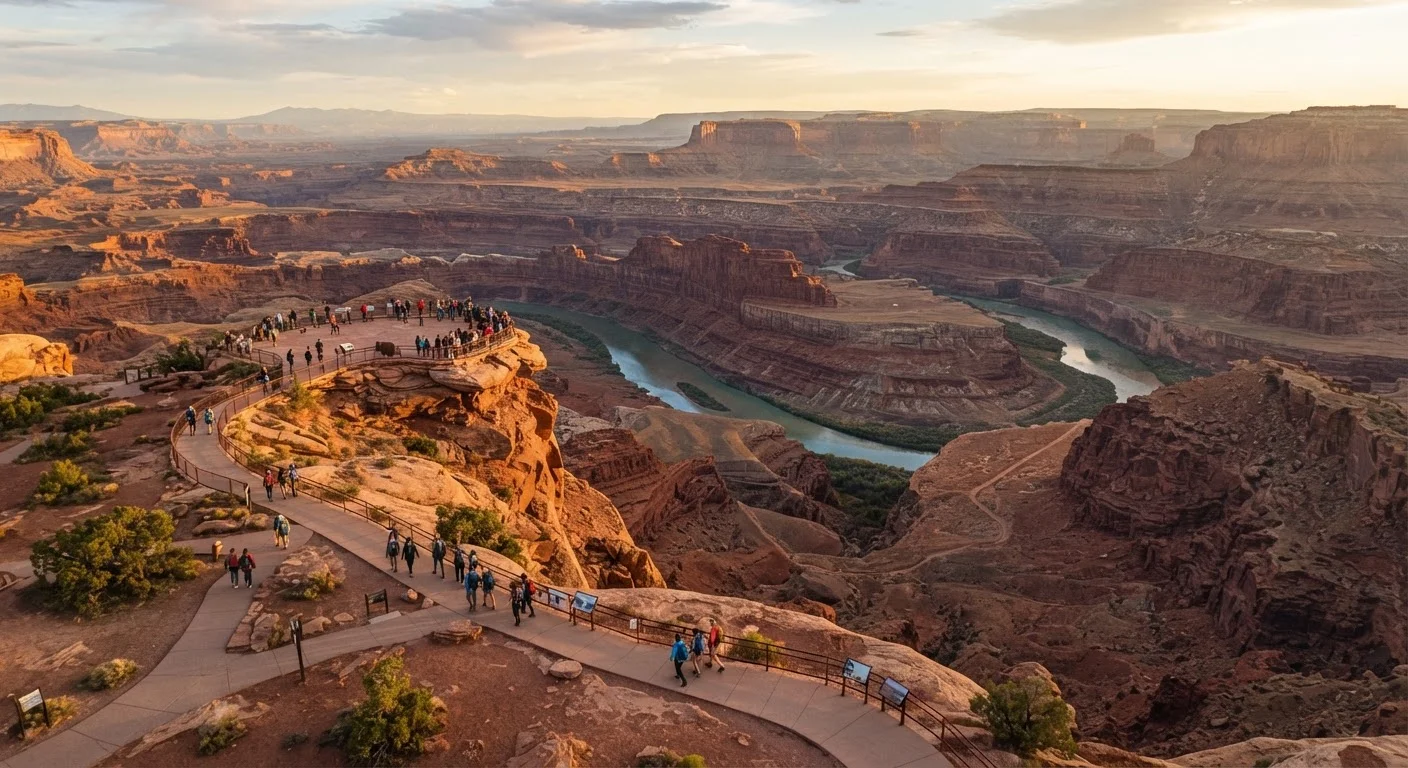
Photo credit: FaqInsider.com
In this article
Key facts about permit systems, reservation windows, entry fees, and seasonal access for America's most visited national parks.
Entry Fees, Passes, and What They Cover
Most US national parks charge an entrance fee, typically ranging from $15 to $35 per vehicle for a 7-day pass. Fees vary by park and entry method (per vehicle, per person on foot or bicycle, or annual pass). The America the Beautiful Annual Pass - sold by the National Park Service - covers entrance fees at all NPS-managed sites for 12 months and is worth calculating against your planned visits before purchasing.
| Typical vehicle entrance fee range | $15-$35 per vehicle (7-day pass) (National Park Service fee schedule) |
| Annual pass coverage | All NPS-managed sites for 12 months (America the Beautiful Pass, NPS) |
| Frontcountry reservation window | Typically 5 months in advance (Recreation.gov booking system) |
| Timed-entry permit release | Months ahead + 1-2 days before entry (NPS and Recreation.gov policies) |
| Parks with no entrance fee | Includes Great Smoky Mountains NP (National Park Service) |
| Peak season at most major parks | Late June through August (NPS visitation data, general pattern) |
Fee-free days are designated several times per year (such as Martin Luther King Jr. Day and Veterans Day). Check the NPS website for the current schedule before planning a budget-sensitive trip. Some parks - like Great Smoky Mountains - charge no entrance fee at all.
Timed-Entry Permits and Reservation Systems
High-demand parks now require timed-entry permits - time-stamped reservations that control how many vehicles enter during peak windows. Parks including Glacier, Rocky Mountain, and Acadia have implemented these systems seasonally. Without a permit during required periods, you may be turned away at the gate.
Timed-Entry Permit
A reservation that authorizes entry to a park or area during a specific time window. Required at certain high-demand parks during peak seasons to manage crowd levels.
America the Beautiful Pass
An annual interagency pass sold by the federal government that waives entrance fees at national parks and other federal recreation sites for 12 months from the purchase date.
Backcountry Permit
A permit required for overnight camping in wilderness areas away from developed campgrounds. Often allocated through a lottery system due to limited availability.
Recreation.gov
The official federal booking platform for national park campsite reservations, timed-entry permits, and other recreation-related reservations across federal lands.
Frontcountry Campground
A developed campground accessible by vehicle, typically featuring amenities such as fire rings, restrooms, and running water. These sites require advance reservations at most major parks.
Concession Lodge
A hotel or lodge located inside a national park and operated by a private company under contract with the National Park Service. Availability is limited and advance booking is essential.
Permits are typically released in two waves: a portion opens months in advance (often 6 months out), and a smaller batch drops 1-2 days before the entry date. Competition for same-week reservations can be intense; logging in at the exact release time is often necessary. Recreation.gov is the federal platform handling most park reservations, including campsites and permits.
Planning a visit to multiple parks in one itinerary? See our framework for multi-stop trip planning for routing and logistics strategies that apply equally to national park road trips.
Seasonal Access and Timing Considerations
Park accessibility shifts dramatically by season. Many high-elevation roads - such as Trail Ridge Road in Rocky Mountain NP or Going-to-the-Sun Road in Glacier - close entirely in winter due to snow. Shoulder seasons (spring and fall) often offer reduced crowds, cooler temperatures, and full road access, though weather can be unpredictable.
Arrive Early - Parking Fills Fast
Even with a valid timed-entry permit, overcrowded parking areas can prevent access to popular trailheads during peak summer hours. Rangers at several parks recommend arriving before 7-8 a.m. or after 3 p.m. to secure parking. Some parks also offer shuttle systems that bypass the parking problem entirely - check whether your park has a seasonal shuttle before you drive in.
Summer (late June through August) is peak season at nearly every major park. Campgrounds fill months in advance, gateway towns see price surges, and popular trailheads reach capacity by mid-morning. If summer is your only option, plan to arrive at trailheads before 7 a.m. and have backup activities ready.
Desert parks like Joshua Tree and Saguaro are generally more comfortable in fall through early spring; summer temperatures can reach dangerous levels. Always verify current road and facility status directly with the individual park before traveling - conditions change faster than any third-party source can update.
Camping Reservations and Lodging Lead Times
Frontcountry campgrounds at parks like Yosemite and Zion typically open reservations 5 months in advance on Recreation.gov, and popular sites can sell out within minutes of the release window. Backcountry permits - required for overnight wilderness camping - often use separate lottery systems with application deadlines months earlier still.
In-park lodges (operated under NPS concession contracts) follow their own booking calendars, sometimes opening reservations 12-13 months out. Gateway town hotels and vacation rentals outside park boundaries offer more flexibility but book quickly during peak periods. Arriving with no accommodation plan during summer is a common and costly mistake for first-time visitors.
If your national parks adventure is your first major domestic trip and you're curious how domestic logistics compare to international travel, our guide for first-time international travelers offers useful context on the planning mindset differences.
Entry requirements, permit systems, fees, and road closures are subject to change. Always verify current conditions and requirements directly with the National Park Service (nps.gov) and Recreation.gov before finalizing any travel plans.

Author
Travel Editorial Team
Travel Editorial Team is the collective byline for our editorial team and contributor network. Articles published under this byline or an editorial pen name are researched, written, and reviewed according to our editorial standards for clarity, consistency, and independence before publication.
View all articles →