
Why Your Trip Budget Always Runs Over-and How to Prevent It
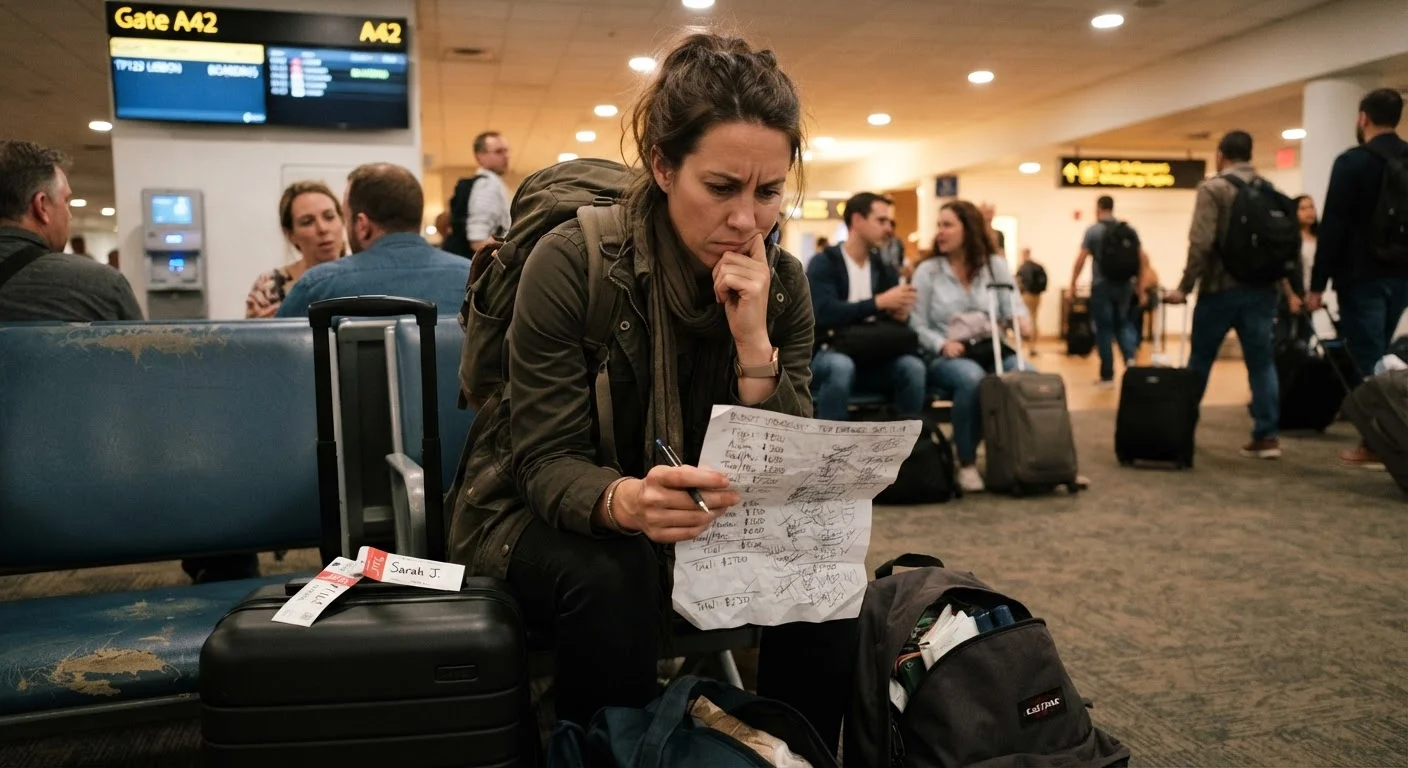
Photo credit: FaqInsider.com
In this article
Hidden costs, currency fluctuations, and poor contingency planning quietly drain travel funds. Here's what to watch for and fix.
Key Takeaways
- Most trip budgets fail because of overlooked variable costs, not the big-ticket bookings.
- Building a 15-20% contingency buffer into your budget is one of the most effective safeguards.
- Currency conversion fees, resort fees, and tipping norms are among the most commonly missed expenses.
- Tracking spending daily-rather than reviewing after the trip-prevents mid-trip overspending.
- A structured budget framework separating fixed from variable costs dramatically improves accuracy.
Why Smart Travelers Still Run Out of Money
Budget overruns aren't a planning intelligence problem-they're a planning completeness problem. Most travelers correctly estimate their biggest costs: flights, hotels, and maybe a few major activities. What derails the budget is everything that happens in between. The cab from the airport. The checked bag that wasn't in the original fare. The sit-down lunch that turned into a three-course meal because you were exhausted.
Understanding where budgets break is the first step toward building one that actually holds. For a foundational framework before diving into mistakes, see how experienced travelers structure a trip budget.
Budgeting only for confirmed bookings and ignoring everything in between.
Why it happens: Flights and hotels feel concrete and searchable, so travelers focus on those and assume the rest will 'work itself out.' Day-to-day spending-transit, meals, tips, entrance fees-is harder to estimate and easy to defer.
Failing to account for fees that aren't visible during booking.
Why it happens: Resort fees, destination charges, baggage fees, and booking platform service fees are frequently disclosed only at checkout or check-in-after the traveler has mentally committed.
Underestimating how much currency exchange and transaction fees add up.
Why it happens: Each individual transaction fee looks small-$2 here, 3% there-so travelers dismiss them. Over a two-week international trip with dozens of transactions, those amounts compound significantly.
Not tracking spending in real time during the trip.
Why it happens: Vacation mode is real-people don't want to open a spreadsheet at dinner. By the time they check, the damage is already done and adjustments are difficult.
Forgetting to budget for the trip itself: pre-departure and post-return costs.
Why it happens: Travelers mentally account for on-trip spending but overlook what it costs to get ready-airport parking, pet care, travel-size toiletries, visas, travel health consultations-and what they'll need to catch up on returning home.
Setting a single global budget number rather than category-based limits.
Why it happens: A lump sum feels flexible, which is psychologically appealing-but that flexibility makes it easy to overspend in any one category without a clear signal.
How to Build a Budget That Survives Contact with Reality
Fixing a leaky travel budget isn't about spending less-it's about accounting for what you'll actually spend. A few structural changes make an outsized difference.
Contingency Funds Are Not Optional
A travel budget without a buffer isn't a budget-it's an optimistic estimate. Unexpected costs (illness, delays, fees, price changes) affect nearly every trip. Financial planners generally suggest reserving 15-20% of your total trip cost as a contingency fund. Treat that money as already spent so you're not tempted to use it for extras.
Start by separating your budget into fixed costs (what you've booked and confirmed) and variable costs (daily spending that depends on behavior and conditions). Variable costs are where most overruns live, so they deserve more scrutiny, not less. Our breakdown of fixed costs, variable costs, and forgotten expenses is a practical companion to this process.
Dynamic Currency Conversion Is Rarely in Your Favor
When a merchant abroad offers to charge you in U.S. dollars instead of local currency, that convenience typically comes with a markup of 3-8% over the mid-market exchange rate. Always choose to pay in the local currency and let your home bank or card handle the conversion. Verify your card's foreign transaction fee policy before you travel.
Also worth reviewing: where budget travelers consistently lose money for a category-by-category look at the most common spending traps. And if your itinerary planning feels shaky alongside your budget, itinerary mistakes that exhaust travelers addresses the scheduling side of the same problem.
A realistic budget isn't pessimistic-it's the thing that lets you enjoy the trip without constant low-grade financial anxiety. Build it with honesty, track it with consistency, and you'll land back home without the unwelcome surprise of a credit card statement that redefines the trip's true cost.

Author
Travel Editorial Team
Travel Editorial Team is the collective byline for our editorial team and contributor network. Articles published under this byline or an editorial pen name are researched, written, and reviewed according to our editorial standards for clarity, consistency, and independence before publication.
View all articles →