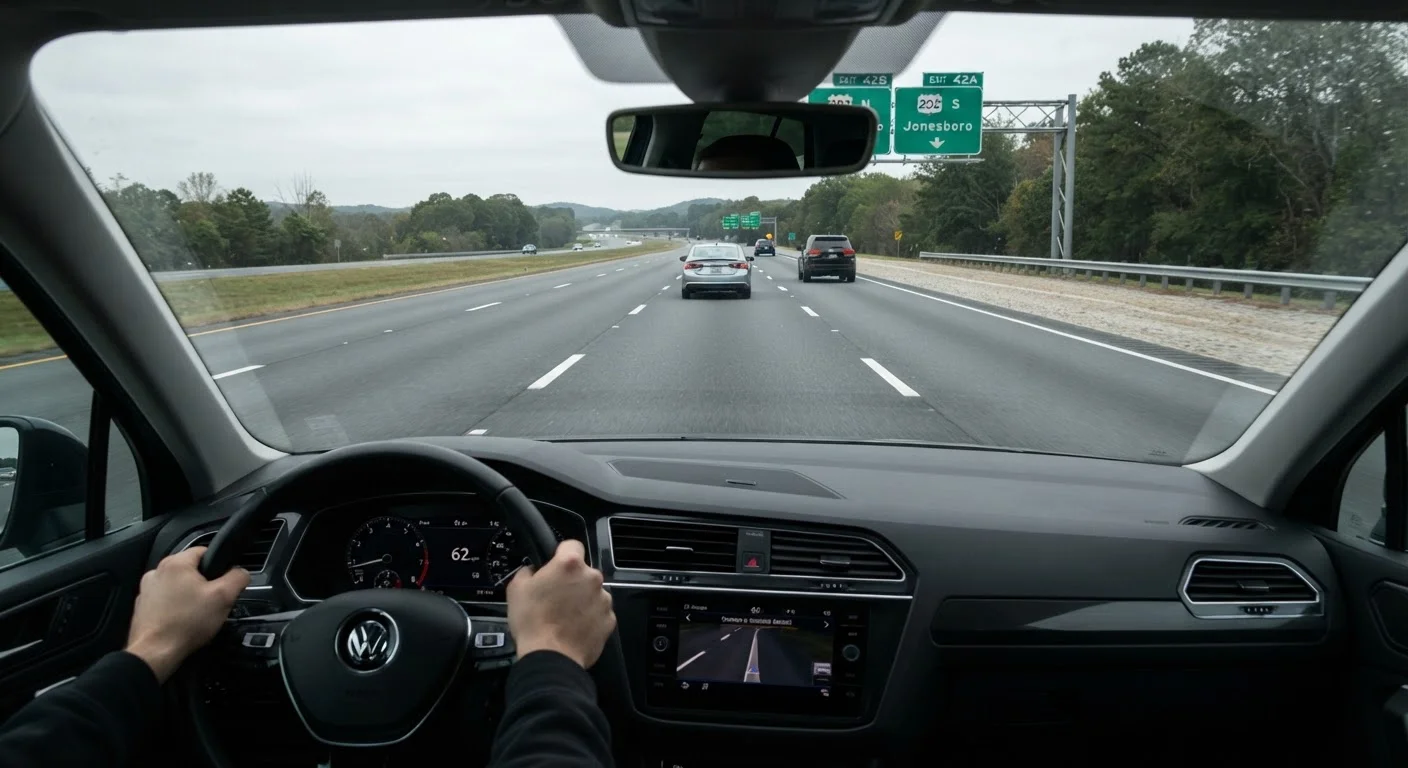
Safe Driving Habits That Protect You Over a Lifetime Behind the Wheel
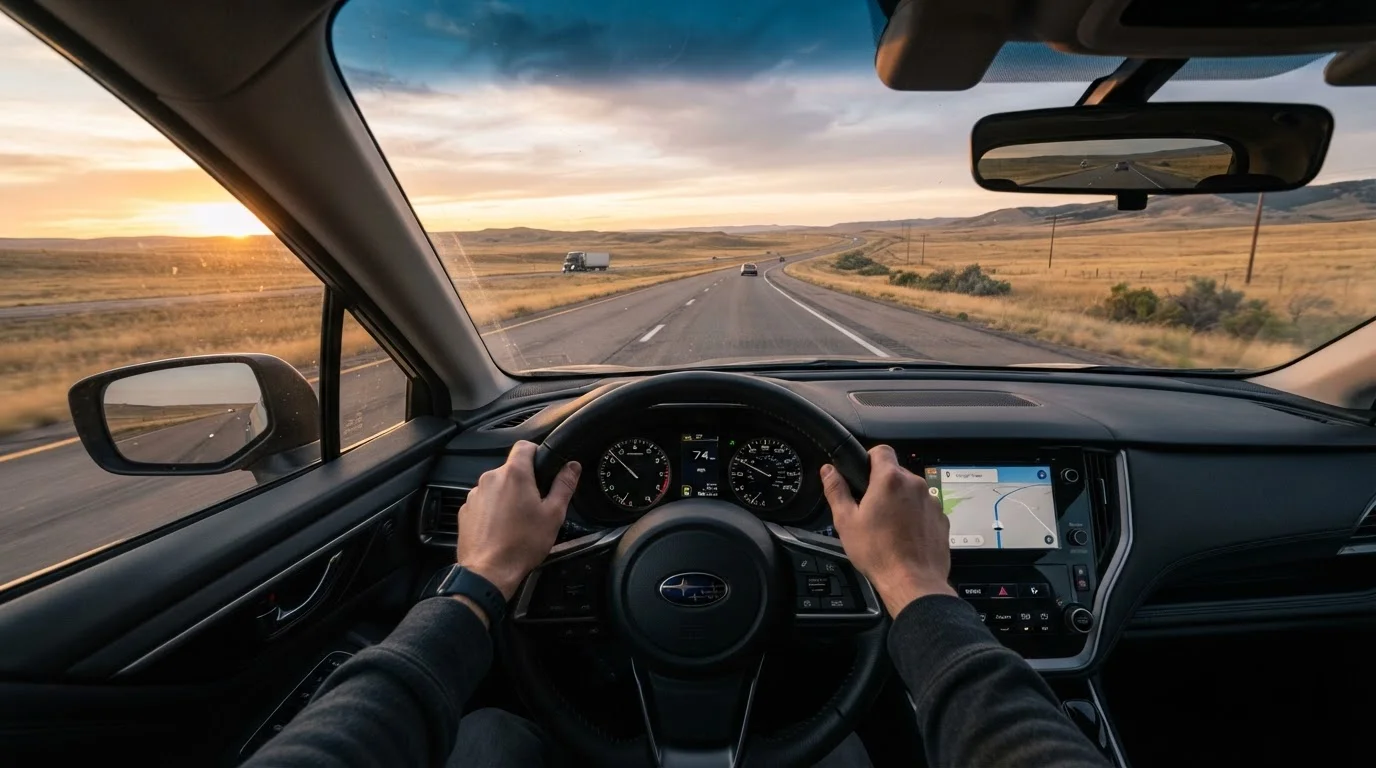
Photo credit: FaqInsider.com
In this article
From new driver basics to aging-driver adjustments, this end-to-end guide covers the evidence-backed habits that reduce crash risk at every stage.
Key Takeaways
- Consistent habits - not exceptional skill - are the primary driver of lifetime crash reduction.
- Distraction and impairment account for a large share of preventable crashes at every age.
- Adjusting speed and following distance for conditions is more protective than posted limits alone.
- Older drivers benefit from proactive self-assessment and route planning rather than abrupt retirement.
- Vehicle maintenance is a direct safety input - neglected tires, brakes, and lights raise crash risk.
Why Habits Matter More Than Skill Alone
Traffic safety researchers consistently find that crashes are rarely caused by a lack of driving skill. Most result from predictable, repeatable behavioral patterns - habits - that either protect or expose the driver to risk. The National Highway Traffic Safety Administration (NHTSA) has attributed a significant share of crash causes to driver behavior rather than road or vehicle factors.
This distinction matters because habits can be built deliberately. Skill-based overconfidence, by contrast, can actually increase risk: experienced drivers sometimes compensate for skill by reducing their safety margins. Building the right habits early and revisiting them throughout your driving life is the most durable safety strategy available.
For a structured framework that complements good habits, see our guide on defensive driving techniques - an approach built around anticipating hazards before they become emergencies.
Treat the habit of scanning your mirrors on a fixed cycle as a scheduled task, not a reaction. Set a mental reminder to check mirrors every time you pass a landmark type - intersections, on-ramps, lane merges.
Deliberate practice converts effortful behavior into automatic habit. Tying the scan to environmental triggers accelerates that process compared to relying on memory alone.
When evaluating your own driving after a trip, focus on whether you were ever surprised by something you should have seen earlier - not just whether you avoided a crash.
Near-misses and avoidable surprises are leading indicators of elevated crash risk. Waiting for a collision to identify a habit gap is too late.
Core Habits Every Driver Needs
These fundamentals apply regardless of age, experience level, or vehicle type:
- Seatbelt use, every trip. Seatbelts remain the single most effective occupant-protection technology in passenger vehicles. No trip is too short to skip it.
- Scan ahead, not just immediately in front. Experienced drivers look 12-15 seconds down the road, processing the full traffic environment rather than reacting at the last moment.
- Maintain appropriate following distance. A three-second gap under normal conditions - extended in rain, fog, or at highway speeds - gives you time to react. Learn more about how the two-second rule can mislead drivers in our article on traffic safety myths.
- Signal intentions early. Turn signals communicate with other road users; using them consistently reduces the unpredictability that causes collisions.
- Check mirrors every five to eight seconds. Continuous situational awareness of what's around your vehicle prevents being surprised by lane-changers or emergency vehicles.
94%
Crashes attributed to human behavior
NHTSA research estimates that driver behavior is a critical reason in approximately 94% of serious crashes.
3x
Crash risk increase from phone use while driving
Research from the Virginia Tech Transportation Institute found that manual phone tasks roughly triple crash risk compared to undistracted driving.
2 yrs
Highest-risk period for new drivers
IIHS data consistently shows the first two years of independent driving carry the highest crash rates for new license holders.
Managing Distraction and Impairment
Distraction is now the leading behavioral contributor to crashes in the U.S. Handheld phone use receives the most public attention, but cognitive distraction - being mentally absent even with eyes on the road - is equally dangerous. Hands-free calling, for instance, still degrades hazard-detection performance measurably.
Practical distraction management habits include:
- Setting navigation, music, and climate controls before moving.
- Using your vehicle's Do Not Disturb or driving mode to suppress notifications.
- Treating every phone interaction as a reason to pull over safely first.
Impairment extends beyond alcohol. Prescription medications, over-the-counter sleep aids, fatigue, and emotional distress all reduce driving performance. If you would not feel comfortable driving after the same level of physical fatigue you are experiencing right now, that is a reliable signal to delay or delegate the trip. Drowsy driving produces reaction-time deficits comparable to legal intoxication.
Adjusting Habits for Challenging Conditions
Posted speed limits are calibrated for ideal conditions. When conditions degrade, safe speed drops independently of the sign on the side of the road.
Rain reduces tire traction and doubles stopping distances. Fog demands low-beam headlights and dramatically reduced speed. At night, your stopping distance can exceed your headlights' reach at highway speeds - a phenomenon called overdriving your headlights. Our dedicated guide on night driving hazards covers these specific challenges in depth.
In all adverse conditions, the priority sequence is: reduce speed, increase following distance, increase visibility. These three adjustments compound in their protective effect and are within every driver's control regardless of vehicle type.
Never Rely on Posted Limits in Poor Conditions
Speed limits reflect maximum legal speed under normal conditions - not a safe target in rain, snow, fog, or construction zones. Driving at the posted limit when conditions demand less can result in crashes even when the driver believes they are following the rules. Adjust speed based on actual stopping distance and visibility, not the sign.
How Driving Needs Evolve With Age
Driving ability does not decline uniformly with age, but several physiological changes - slower reaction time, reduced contrast sensitivity, greater susceptibility to glare, and decreased neck flexibility - do affect driving performance over time. The productive response is proactive self-assessment, not denial or abrupt cessation.
Practical strategies for older drivers include:
- Scheduling regular vision and hearing checks, as these directly affect driving performance.
- Reviewing medications with a physician or pharmacist for driving-related side effects.
- Avoiding high-demand scenarios (rush-hour highways, unfamiliar cities after dark) and planning routes that reduce cognitive load.
- Using a voluntary driving evaluation through a certified driver rehabilitation specialist if family members or a physician raise concerns.
Newer drivers face a different challenge: overestimating competence before habits are fully formed. The first two years of driving carry disproportionate crash risk. Structured practice across varied conditions - not just hours accumulated - builds the pattern recognition that reduces that risk.
Keeping Your Vehicle Safe to Drive
Safe behavior behind the wheel depends partly on a mechanically sound vehicle. Worn tires, degraded brakes, and faulty lights all raise crash risk independent of driver behavior. A brief pre-trip walkthrough before driving is a low-effort habit with measurable safety payoff - see our pre-trip safety checklist for a practical routine.
For broader maintenance guidance, the Car Maintenance hub covers tire pressure, brake inspection intervals, fluid checks, and other inputs that directly affect vehicle safety.
Consistent maintenance is not just about reliability - it is a safety habit in its own right. A vehicle that responds predictably to driver inputs is a fundamental prerequisite for every other habit on this list to work as intended.

Author
Cars Editorial Team
Cars Editorial Team is the collective byline for our editorial team and contributor network. Articles published under this byline or an editorial pen name are researched, written, and reviewed according to our editorial standards for clarity, consistency, and independence before publication.
View all articles →