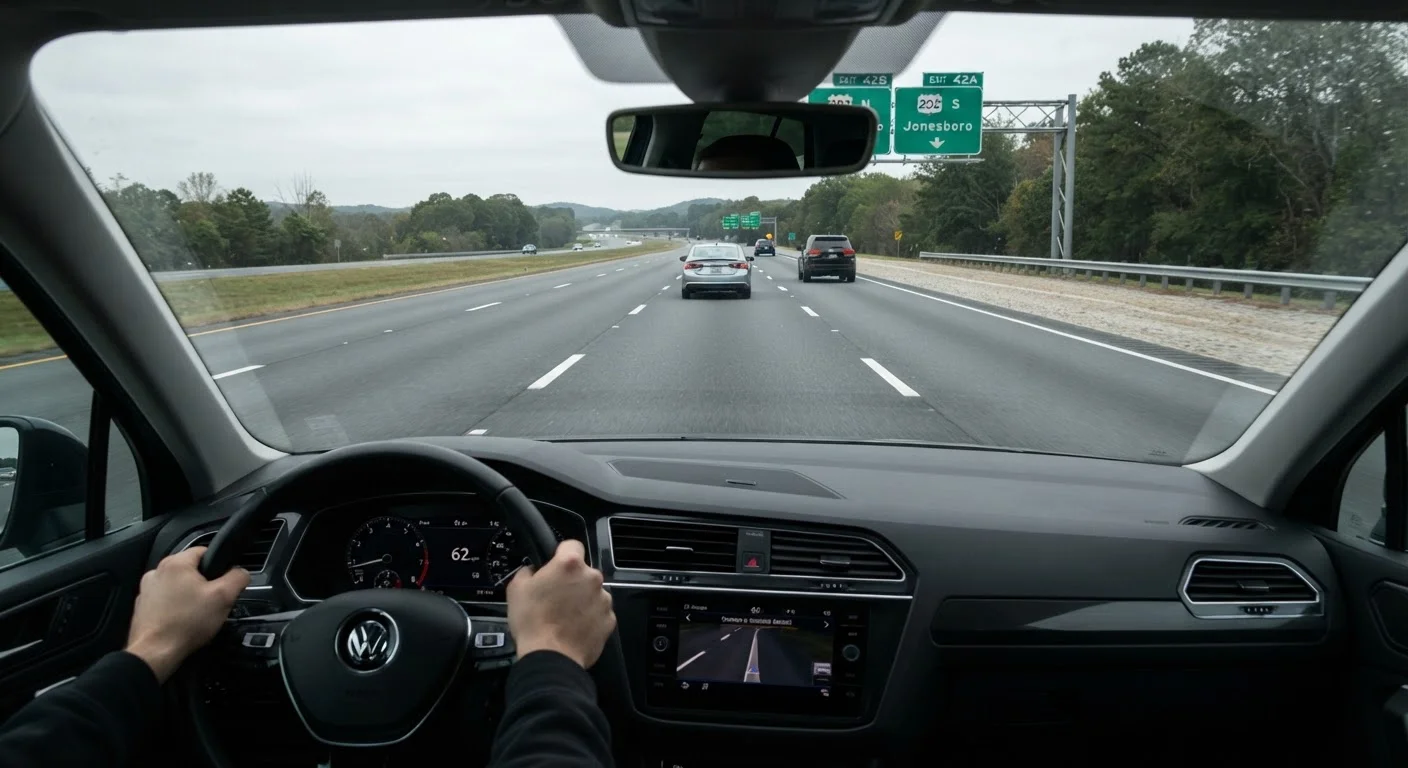
What Drivers Get Wrong About Merging on the Highway
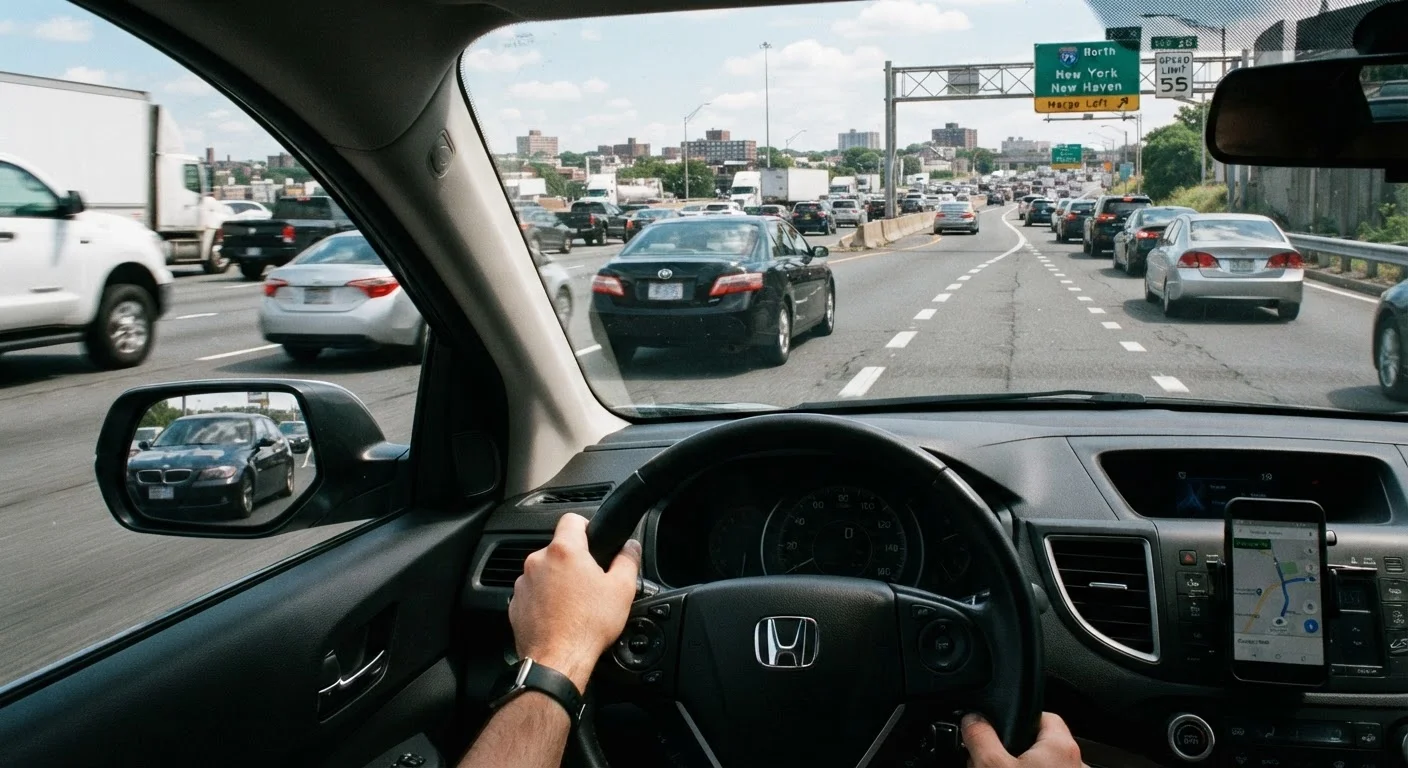
Photo credit: FaqInsider.com
In this article
Improper merging is a leading cause of highway collisions. These are the misunderstandings behind it and how to merge with confidence and safety.
Key Takeaways
- Matching highway traffic speed before merging is essential - not optional.
- Yielding does not mean stopping at the end of an on-ramp; it means adjusting speed smoothly.
- Zipper merging in congested traffic is both legal and more efficient than blocking others out.
- Checking mirrors and blind spots before merging is a non-negotiable step most drivers rush.
- Using your full merging lane to build speed is exactly what that lane is designed for.
Why Merging Goes Wrong So Often
Merging is one of the most frequent maneuvers on any highway, yet it's also one of the most misunderstood. The root problem isn't recklessness - it's a collection of ingrained habits and faulty assumptions that most drivers carry without realizing it. Understanding where things go wrong is the first step to consistently getting them right.
Highway merging requires simultaneous speed management, gap assessment, signaling, mirror checks, and blind-spot verification - all under time pressure. That's a real cognitive load, and when drivers fall back on habits rather than deliberate technique, errors follow. Common traffic safety myths - like the idea that you should always slow down in uncertain situations - often make these errors worse, not better.
Failing to reach highway speed before merging.
Why it happens: Many drivers treat the on-ramp as a caution zone and instinctively slow down when approaching faster traffic, not realizing the ramp is specifically designed for acceleration.
Stopping at the end of the on-ramp to wait for a gap.
Why it happens: Drivers who feel intimidated by fast-moving traffic sometimes interpret 'yield' as 'stop,' especially when no immediate gap is visible.
Skipping the blind-spot check before completing the merge.
Why it happens: Drivers are focused forward on finding a gap and often forget to physically turn their head to check the blind spot that mirrors can't fully cover.
Refusing to allow the zipper merge in heavy congestion.
Why it happens: Many drivers consider using a closing lane all the way to its end as 'cutting in line' and feel entitled to block others out of a sense of fairness.
Merging without signaling or with inadequate notice.
Why it happens: In moments of urgency or distraction, turn signals are skipped. Some drivers also believe highway speeds make signaling less necessary since everything happens fast.
The Mechanics of a Safe Merge
A textbook highway merge follows a straightforward sequence: accelerate on the ramp, signal early, scan mirrors, perform a head check, identify a gap, and enter smoothly at or near the speed of surrounding traffic. Each step matters, and skipping any one of them raises risk measurably.
Stopping on an On-Ramp Is Dangerous
Coming to a full stop at the end of an on-ramp creates a serious rear-end collision risk and can catch highway drivers completely off guard. On-ramps are acceleration lanes - their entire purpose is to let you build speed before entering traffic. Unless traffic is completely gridlocked, keep moving and find your gap while rolling.
Following distance plays a key role after the merge, too. Once you've entered the highway, maintaining adequate spacing from the vehicle ahead gives you time to react if traffic shifts. The relationship between following distance and crash risk at highway speeds is more significant than most drivers assume.
Don't Force a Merge at Low Speed
Entering a 65 mph highway at 45 mph puts you and every driver behind you at risk. Speed differentials - not just tailgating - are a major contributor to highway rear-end crashes. Use the full length of the on-ramp to reach a speed close to the flow of traffic before committing to the merge.
In heavy stop-and-go conditions, the rules shift slightly. When a lane is ending well ahead and signs indicate a merge point, using the full length of that lane before merging - the zipper method - is the safest and most efficient approach. Blocking drivers from using that lane only concentrates the conflict into an earlier, unprepared point in traffic.
Being a confident merger also means being a cooperative one. Leaving space for vehicles entering from on-ramps when you're already on the highway is just as important as merging correctly yourself. A small speed adjustment can eliminate a dangerous situation for the driver joining traffic beside you.
~300,000
Annual U.S. lane-change and merge crashes
The Federal Highway Administration has identified improper lane changes and merges as a significant contributor to highway crashes annually.
40%
Congestion reduction from zipper merging
Transportation studies from states including Minnesota have found that late-merge (zipper) techniques can reduce traffic backup by roughly 40 percent compared to early-merge behavior.

Author
Cars Editorial Team
Cars Editorial Team is the collective byline for our editorial team and contributor network. Articles published under this byline or an editorial pen name are researched, written, and reviewed according to our editorial standards for clarity, consistency, and independence before publication.
View all articles →