
Building Your First Emergency Fund on a Tight Budget
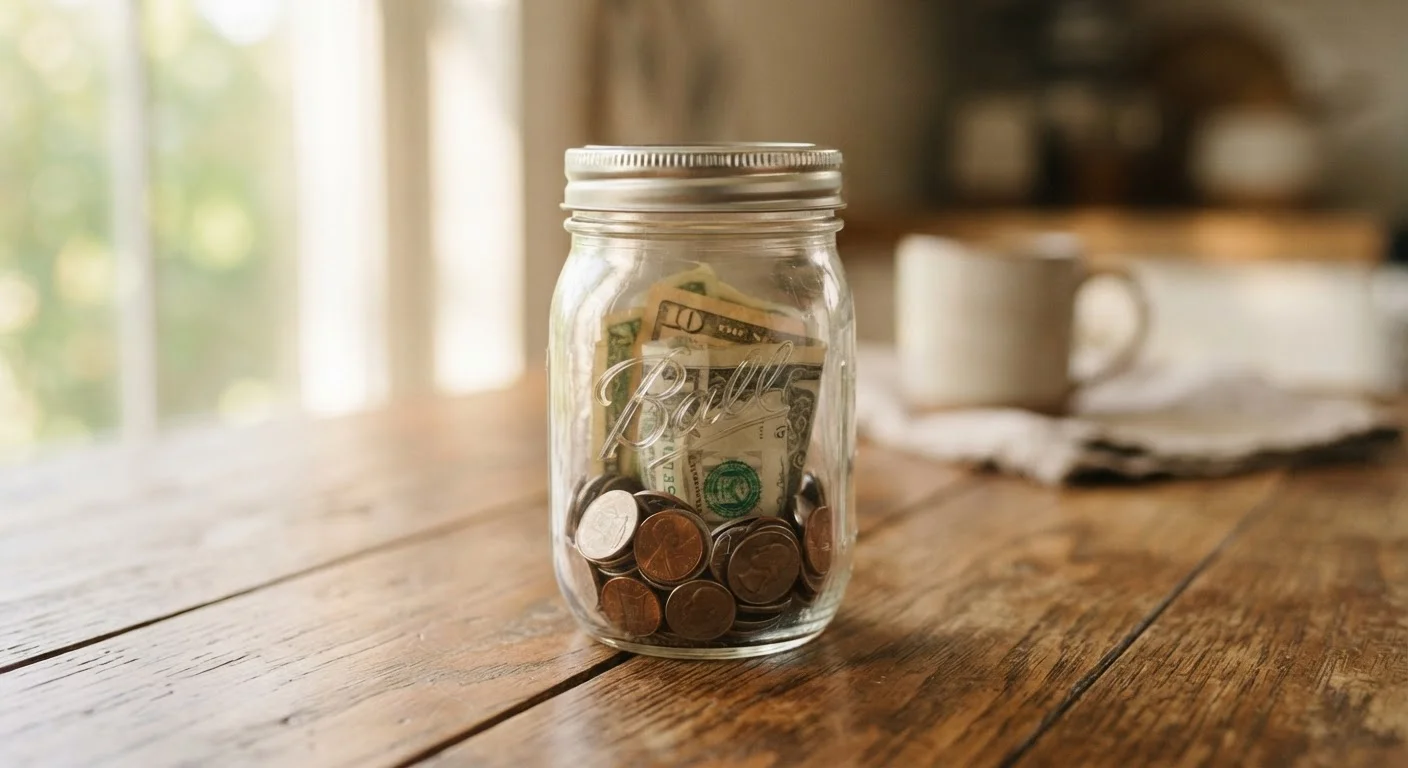
Photo credit: FaqInsider.com
In this article
A practical starting guide for average earners who want to begin saving for the unexpected, even when every dollar is already spoken for.
Key Takeaways
- Starting with even $5 a week builds the habit that makes larger savings possible over time.
- A mini emergency fund of $500-$1,000 provides meaningful protection against common financial disruptions.
- Keeping emergency savings in a separate account reduces the temptation to spend it on everyday needs.
- Automating transfers - even tiny ones - removes willpower from the equation and ensures consistency.
- Reviewing your spending for small, recurring expenses often uncovers money you didn't know you had.
Why an Emergency Fund Matters Even When Money Is Tight
When every paycheck is already accounted for, saving can feel like a luxury reserved for people with room to spare. But that's precisely when a financial cushion matters most. Without one, a single unexpected expense - a flat tire, an urgent dental visit, a reduced work week - can force you into high-interest debt or derail other financial progress.
An emergency fund is a dedicated pool of money set aside only for genuine, unplanned financial shocks. It acts as a buffer between your regular budget and the chaos of real life. See how a funded cushion changes the math in real situations like job loss, car repairs, and medical bills.
You don't need thousands of dollars saved before the fund becomes useful. Even $300 can prevent a small setback from spiraling into a larger financial problem. The goal in the early stages isn't a perfect number - it's getting started.
Emergency fund
A dedicated savings reserve set aside only for unexpected, urgent financial needs - not for planned expenses or everyday spending.
FDIC insurance
Federal Deposit Insurance Corporation protection covers deposits at member banks up to $250,000 per depositor, so your money is safe if the bank fails.
Automatic transfer
A scheduled, recurring movement of money between accounts set up through your bank, so saving happens without requiring a manual action each time.
High-yield savings account
A savings account - typically offered by online banks - that pays a higher interest rate than a standard savings account, helping your balance grow slightly faster.
Essential expenses
The non-negotiable costs required to maintain basic living: rent or mortgage, utilities, groceries, transportation, and minimum debt payments.
Setting a Realistic Starting Goal
Financial guidance often cites three to six months of living expenses as the target for a fully funded emergency fund. For someone on a tight budget, that figure can feel so far away that it discourages action entirely. A better approach: break the goal into stages.
Your first milestone should be $500 to $1,000. This covers most common emergencies - a car repair, an out-of-pocket medical expense, or a short income gap. It's a number achievable within months, not years, for most people who can redirect even modest amounts consistently.
Once you hit that milestone, set the next: one month of essential expenses (rent, utilities, groceries, transportation). From there, build toward two months, then three. Each stage gives you a clear, motivating finish line without requiring you to think about the entire journey at once. For a more detailed walkthrough of how to set your target and open the right account, see this step-by-step guide.
Finding the Money: Small Cuts and Hidden Gaps
The most common barrier to saving isn't actually a lack of money - it's that the money is already allocated before you look for it. A careful review of your spending often reveals small, recurring costs that can be redirected without dramatically changing your lifestyle.
Start by reviewing one month of bank and credit card statements. Look for subscriptions you've forgotten about, services you rarely use, or habits with cheaper alternatives. Even freeing up $20-$40 per month is a meaningful start. For a structured approach to tracking your spending, budgeting basics offers simple strategies that work on any income.
- Subscriptions: Streaming services, apps, and memberships you use infrequently are often easy to pause or cancel temporarily.
- Food spending: One fewer takeout order per week or swapping a coffee shop habit for home brewing can free up $30-$60 monthly.
- Rounding up spare change: Some bank apps and financial tools let you automatically round up purchases and move the difference to savings - small amounts that accumulate steadily.
Start With What You Have, Not What You Wish You Had
Don't wait until you have a 'real' amount to save before opening an account. Even $5 as your first deposit makes the account real and starts the habit. The size of the deposit matters far less than the act of beginning. Increase the amount as small opportunities arise - a lower bill, a refund, or an extra shift.
Even if you can only find $10 per week, that's over $500 in a year - enough to hit your first milestone without a dramatic lifestyle change.
Where to Keep Your Emergency Fund
Where you keep the money matters almost as much as how much you save. The wrong account can make it too easy to spend, or so inaccessible that you can't reach it quickly when you need it.
The ideal emergency fund account has three qualities:
- Separate from your checking account. Funds in your everyday spending account tend to get spent. A distinct account creates a psychological boundary that helps protect the balance.
- Federally insured. In the U.S., accounts at FDIC-insured banks or NCUA-insured credit unions are protected up to $250,000 per depositor. This is a basic safety standard, not a bonus.
- Accessible within one to two business days. The money needs to be available when an emergency strikes, not locked up for weeks. Standard savings accounts and high-yield savings accounts both meet this standard.
Avoid keeping emergency funds in investment accounts, where values fluctuate and withdrawals may take days or trigger taxes. The goal is stability and accessibility, not growth.
Making Saving Automatic and Consistent
Consistency beats intensity when it comes to building savings. Saving $25 every payday without fail will get you further than sporadic deposits of $100 whenever you remember. The most reliable way to stay consistent is to remove the decision from your routine entirely.
Most banks allow you to set up automatic transfers from checking to savings on a schedule you choose - weekly, biweekly, or monthly. Set the transfer to coincide with your payday so the money moves before you can spend it. Even a $10 automatic transfer is a valid starting point.
As your financial situation changes - a raise, a paid-off bill, a side income - revisit the transfer amount and increase it. Small, incremental raises are easier to absorb than a sudden large commitment.
Once you've established the habit, the next challenge is protecting what you've built. Strategies for keeping your fund intact can help you avoid the common pitfall of raiding savings for non-emergencies. And when you're ready to assess how your overall preparedness stacks up, use the emergency fund readiness checklist to see where you stand.
This article is for general informational and educational purposes only and does not constitute personalized financial advice. Please consult a qualified financial professional for guidance specific to your circumstances.
Frequently Asked Questions

Author
Finance Editorial Team
Finance Editorial Team is the collective byline for our editorial team and contributor network. Articles published under this byline or an editorial pen name are researched, written, and reviewed according to our editorial standards for clarity, consistency, and independence before publication.
View all articles →