
Building Your First Emergency Fund From Zero
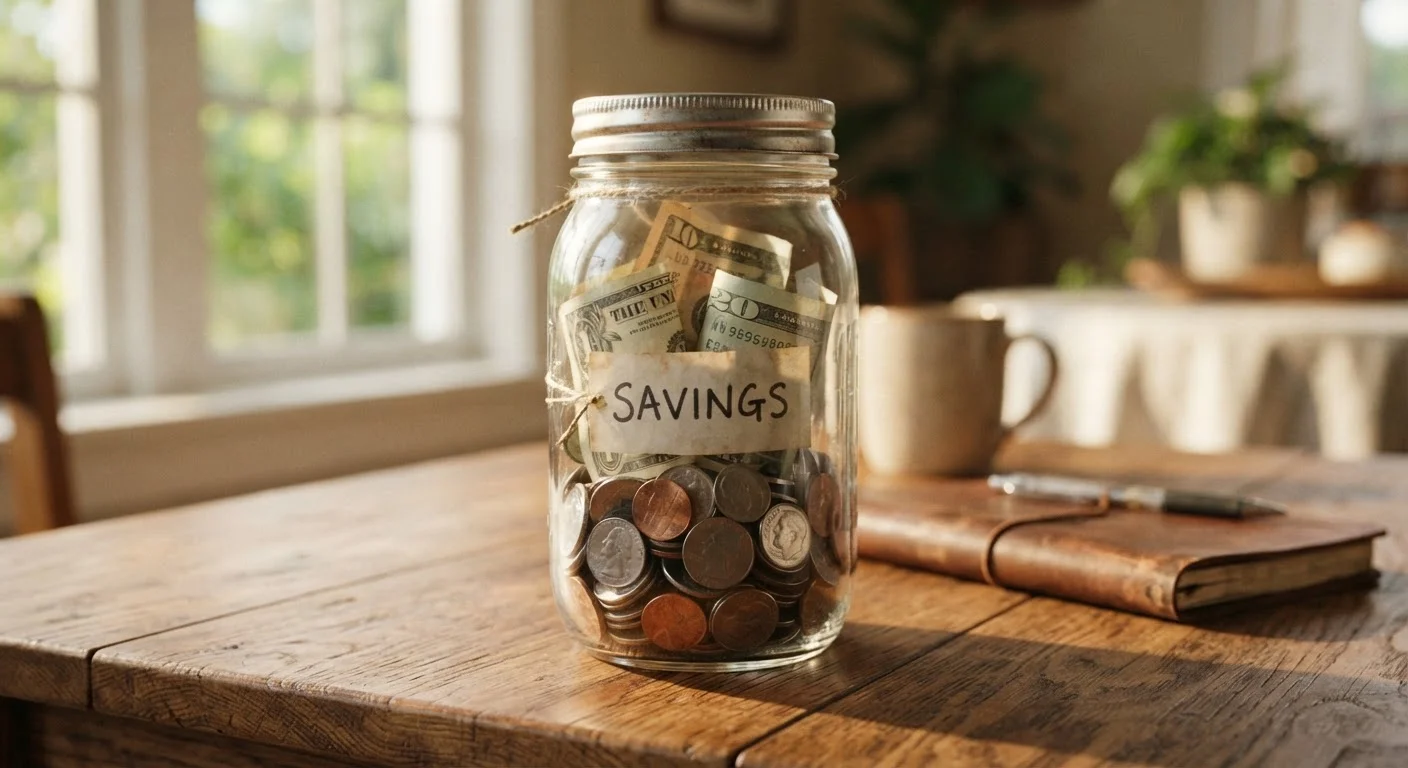
Photo credit: FaqInsider.com
In this article
No savings cushion yet? This step-by-step walkthrough helps you set a realistic target, open the right account, and make your first deposit.
Key Takeaways
- A starter emergency fund of $500-$1,000 provides meaningful protection and is achievable for most earners.
- Keep emergency savings in a separate, accessible account - not mixed with everyday spending money.
- Automating even a small recurring transfer is one of the most reliable ways to build savings consistently.
- An emergency fund is for genuine financial emergencies - not planned expenses or discretionary spending.
- The goal is progress, not perfection; starting small today is far better than waiting for the perfect moment.
Why an Emergency Fund Matters
An emergency fund is a dedicated pool of cash set aside specifically for unexpected financial shocks - a sudden medical bill, a car breakdown, or an unexpected job gap. Without one, people often turn to high-interest credit cards or personal loans to cover these costs, which can turn a temporary setback into lasting debt.
The fund works as a financial buffer, giving you options when life doesn't go as planned. Even a few hundred dollars can be the difference between absorbing a surprise expense and falling behind on rent. If you're starting from zero, it can feel daunting - but the evidence from financial research consistently shows that having any savings cushion, no matter how small, reduces financial stress and improves long-term outcomes.
Before diving into tactics, it's worth dismissing one common roadblock: the belief that you need to save thousands before it counts. That's a myth. See how other misconceptions might be holding you back in Common Myths About Emergency Funds That Keep People from Starting.
Emergency fund
A dedicated cash reserve set aside only for unexpected, necessary financial expenses - separate from everyday spending money.
High-yield savings account
A type of savings account that typically offers a higher interest rate than standard bank accounts, often available through online banks and credit unions.
Automated transfer
A scheduled, recurring movement of money from one account to another - set up once and executed automatically, removing the need for manual action each time.
FDIC / NCUA insurance
Federal programs that protect depositors' money held in insured banks (FDIC) or credit unions (NCUA) up to established limits, typically $250,000 per depositor.
Starter target
An initial, smaller savings goal - such as $500 to $1,000 - that gives you early momentum before you work toward the longer-term three-to-six-month savings benchmark.
Setting a Realistic Starting Target
The traditional advice - save three to six months of living expenses - is a worthy long-term goal, but for someone starting from scratch it can feel so large that it discourages action entirely. A more effective approach is to set a starter target of $500 to $1,000.
That range is meaningful without being overwhelming. It covers a typical car repair, a medical visit copay, or a utility emergency. It's also achievable within a few months for most earners, even those with tight budgets.
To figure out where $500 or $1,000 fits in your timeline, take a quick look at your monthly cash flow. If you haven't tracked your income and spending yet, Budgeting Basics offers simple tools to get oriented. Once you know how much you can realistically set aside each month - whether that's $20 or $200 - divide your target by that amount to find your approximate savings timeline.
Don't let an imperfect number stall you. A committed $25 a month still reaches $300 in a year, which is $300 more protection than you had before.
Choosing the Right Account
Where you keep your emergency fund matters almost as much as how much you save. The account should meet two criteria: it needs to be easily accessible within a few business days, and it needs to be separate from the account you use for everyday spending.
Mixing emergency savings with your regular checking account makes it too easy to spend unintentionally. A dedicated savings account creates a small but meaningful psychological barrier that helps the money stay put.
Many people use a high-yield savings account for this purpose. These accounts, commonly offered by online banks and credit unions, typically pay more interest than traditional brick-and-mortar savings accounts. While the interest earned on a starter fund is modest, every bit helps offset inflation over time. Federally insured accounts - those covered by the FDIC (for banks) or NCUA (for credit unions) - protect your deposits up to established limits, which is an important safety feature to verify before opening any account.
Open a Separate Account Before You Save
Setting up your dedicated savings account before you have much to put in it removes a common delay. Once the account exists, the barrier to making your first deposit is much lower. Many online banks and credit unions allow you to open an account with little or no minimum balance.
Making Your First Deposit and Building the Habit
The most important deposit is the first one - because it transforms an intention into a real account. Start with whatever you have available right now, even if that's just $10 or $25. Open the account and transfer it in.
From there, the goal is consistency. Automation is your most powerful tool. Set up a recurring transfer from your checking account to your emergency savings account on or shortly after each payday. When savings happen automatically, you remove the need to make a decision every week - and that removes the most common friction point.
If your budget is already stretched, look for one or two small adjustments you can redirect: an unused subscription, a minor reduction in dining out, or setting aside a fixed portion of any windfall like a tax refund or birthday gift. For readers managing very tight budgets, Building Your First Emergency Fund on a Tight Budget addresses practical strategies specifically for constrained cash flow.
Track your balance periodically - seeing it grow, even slowly, reinforces the habit and builds motivation to continue.
Protecting the Fund and Knowing When to Use It
Once you have savings built up, the next challenge is keeping it intact. An emergency fund is not a flexible savings pool for wants or planned purchases - it's reserved for genuine, unexpected financial emergencies. Using it for anything else means it won't be there when you actually need it.
Set a simple personal rule: the fund is only for events that are unexpected, necessary, and urgent. A car repair that prevents you from getting to work qualifies. A holiday gift budget does not. If you're unsure where the line is, the Emergency Fund Readiness Checklist can help you assess and codify your own guidelines.
If you do draw on the fund - which is exactly what it's there for - don't feel discouraged. Replenishing it follows the same process as building it. For a structured approach to recovery, see How to Rebuild an Emergency Fund After You've Had to Use It.
Once your starter fund is established, you can set your sights on the full three-to-six-month target and explore how your overall financial picture evolves. The Full Picture on Emergency Savings covers every stage of that journey in detail.
This article provides general financial information for educational purposes only. It is not personalized financial advice. Please consult a qualified financial professional for guidance specific to your situation.
Frequently Asked Questions

Author
Finance Editorial Team
Finance Editorial Team is the collective byline for our editorial team and contributor network. Articles published under this byline or an editorial pen name are researched, written, and reviewed according to our editorial standards for clarity, consistency, and independence before publication.
View all articles →