
The Complete Picture: How Emergency Funds Fit Into Your Broader Financial Life
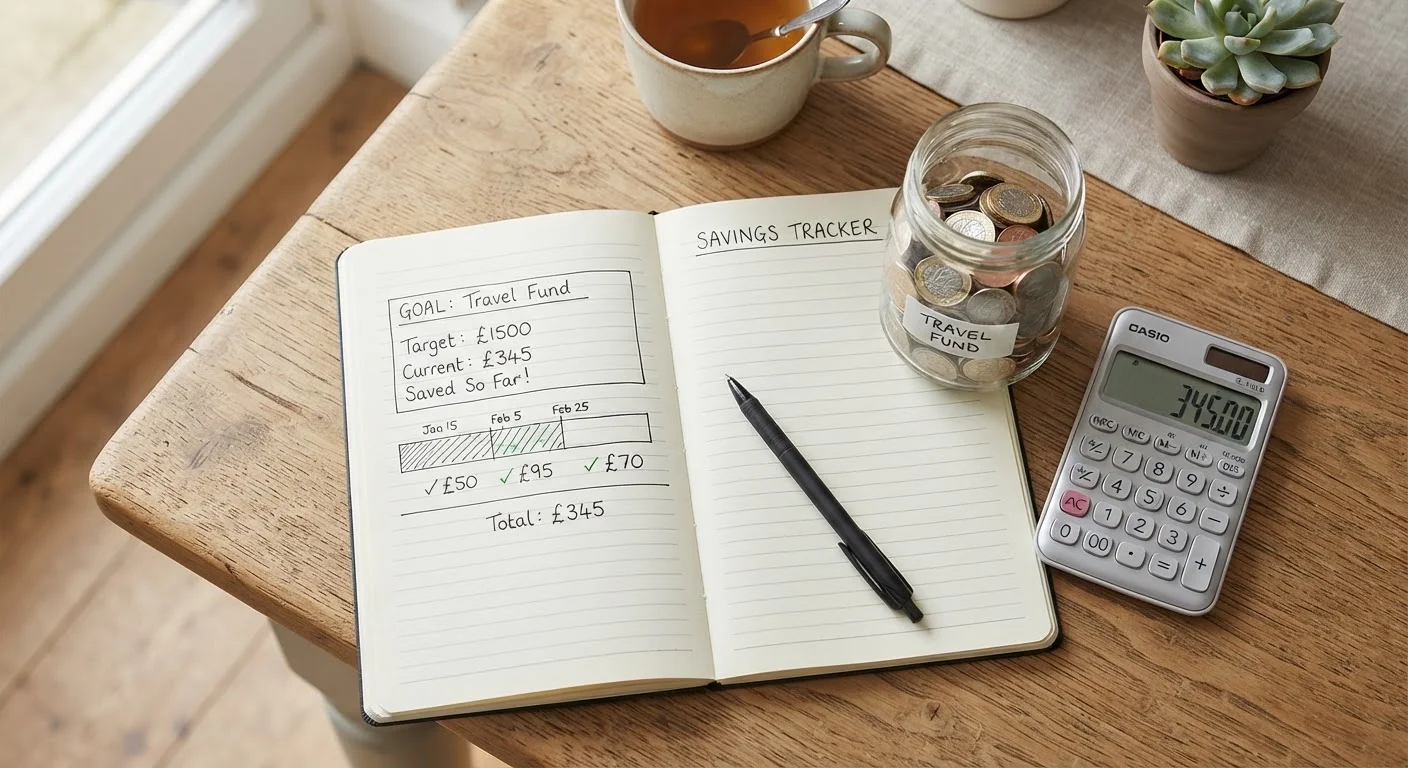
Photo credit: FaqInsider.com
In this article
An end-to-end resource on emergency savings — covering the why, how much, where to keep it, when to use it, and how it connects to your other money goals.
Key Takeaways
- Three to six months of essential expenses is the widely recommended emergency fund target for most households.
- Even $500-$1,000 in dedicated savings provides meaningful protection against common financial shocks.
- Keeping emergency savings separate from everyday accounts reduces the temptation to spend it.
- Automation - even small, recurring transfers - is the most reliable way to build the fund consistently.
- Emergency funds and other savings goals can coexist; sequencing them thoughtfully makes both achievable.
- After using the fund, rebuilding it should become an immediate budget priority.
Why an Emergency Fund Is the Foundation of Financial Health
Most financial setbacks don't come from poor planning alone - they come from having no cushion when something unexpected hits. A job loss, a car repair, a medical bill: these aren't rare catastrophes, they're normal parts of life. An emergency fund is the savings set aside specifically to handle those moments without going into debt.
Before building toward any other goal - paying off debt faster, investing, buying a home - a basic emergency reserve gives you a floor. Without it, one bad month can erase weeks of progress on every other financial goal you're working toward.
Understand what truly qualifies as an emergency fund and how it differs from general savings - the distinction matters more than most people realize.
Label your emergency fund account something specific - 'Job Loss Buffer' or 'Emergency Only' - in your banking app. A named account makes the purpose concrete and reduces impulsive withdrawals.
Behavioral research consistently shows that mental accounting - treating money differently based on how it's labeled - influences spending decisions. A clear label reinforces the account's protected status.
If you receive a direct deposit, ask your employer's payroll department to split it across two accounts - sending a fixed amount straight to your emergency fund before you ever see it.
Paying yourself first, before discretionary spending decisions are made, is one of the most effective savings strategies documented in personal finance research. It removes willpower from the equation entirely.
How Much Should You Actually Save?
The standard guidance is three to six months of essential living expenses - that means rent or mortgage, utilities, groceries, minimum debt payments, and transportation. Not your full paycheck, and not your full spending. Just what you absolutely need to keep the lights on and stay housed.
Where you land in that range depends on your situation:
- Stable job, dual income, no dependents: Three months may be sufficient.
- Single income, self-employed, or variable pay: Aim for six months or more.
- Children, chronic health costs, or older vehicle: Lean toward the higher end.
If those targets feel unreachable right now, start smaller. Even $500 to $1,000 covers the most common unexpected expenses - a car repair, a doctor's visit, a broken appliance. A small fund that exists beats a large one that's still hypothetical.
~57%
Americans unable to cover a $1,000 emergency
According to Bankrate's annual emergency savings survey, a majority of U.S. adults could not pay for a $1,000 unexpected expense from savings alone.
3-6 months
Recommended emergency fund coverage
Financial planning organizations broadly recommend three to six months of essential living expenses as the standard emergency fund target.
$500
Minimum starter fund amount
Even a modest $500 dedicated savings balance covers the majority of common single unexpected expenses, such as a car repair or urgent medical copay.
Where to Keep Your Emergency Fund
Your emergency fund needs to be accessible but not so convenient that you spend it casually. The right account is one where the money earns something, stays liquid (meaning you can withdraw it quickly without penalty), and isn't mixed in with your regular checking account.
High-yield savings accounts at federally insured banks or credit unions are commonly used for this purpose. Money market accounts are another option. What you want to avoid: locking emergency savings in a certificate of deposit (CD) with a penalty for early withdrawal, or keeping it in a brokerage account where the balance can drop right when you need it most.
The key is separation. When your emergency fund is in a distinct account, you see it for what it is - a safety net - rather than spending power.
Building It on a Tight Budget
The most common barrier isn't motivation - it's cash flow. When expenses eat most of your paycheck, finding money to save feels impossible. Here are approaches that work even on constrained budgets:
- Start with a specific, small number. Saving $25 a week reaches $1,300 in a year. Concrete targets feel achievable; vague ones don't.
- Automate the transfer. Set up a recurring transfer from your checking account on payday, before you have a chance to spend that money elsewhere. Even $10 a week builds a habit.
- Use windfalls intentionally. Tax refunds, work bonuses, or birthday money can jump-start the fund without requiring changes to your monthly budget.
- Find one line item to cut temporarily. A short-term reduction in discretionary spending - dining out, subscriptions - can fund a $500 starter fund within a few months.
See how a basic monthly budget can reveal small pockets of savings you didn't know you had.
When to Use It - and When Not To
Having the fund is only half the equation. Knowing when to actually use it - and when to find another solution - keeps it intact when you need it most.
Appropriate uses: Sudden job loss or income disruption, unexpected medical or dental costs not covered by insurance, urgent car repair needed for work, essential home repair (roof leak, broken furnace).
Not appropriate uses: Planned purchases you forgot to save for, vacations, non-urgent home upgrades, or covering predictable annual expenses like car registration.
Those last examples belong to a different savings category altogether. Sinking funds and emergency funds serve two very different jobs - keeping them separate protects both.
After you use the emergency fund, treat replenishment as a priority. Resume contributions as soon as your budget allows, even if it takes months to rebuild fully.
How Emergency Savings Connects to Your Other Money Goals
A common question: should I pay off debt first, or build my emergency fund? For most people, doing some of both simultaneously makes sense. A small emergency fund - even $1,000 - prevents you from going deeper into debt every time something unexpected happens. Once that starter amount is in place, you can shift focus more aggressively toward high-interest debt, then return to growing the full fund afterward.
Emergency savings and long-term investing work together the same way. Without a cash cushion, a market downturn or unexpected expense can force you to withdraw retirement savings early, triggering taxes and penalties. The emergency fund protects your long-term accounts from being raided.
Once your fund is established and your other basics are in order, use the Emergency Fund Readiness Checklist to confirm your setup is solid and identify any gaps worth addressing.
Financial resilience isn't built all at once. It's built in layers - and the emergency fund is the layer everything else rests on.
This article is for general informational and educational purposes only and does not constitute personalized financial advice. Consult a qualified financial professional for guidance specific to your situation.

Author
Finance Editorial Team
Finance Editorial Team is the collective byline for our editorial team and contributor network. Articles published under this byline or an editorial pen name are researched, written, and reviewed according to our editorial standards for clarity, consistency, and independence before publication.
View all articles →