
Movement Patterns That Support Everyday Life
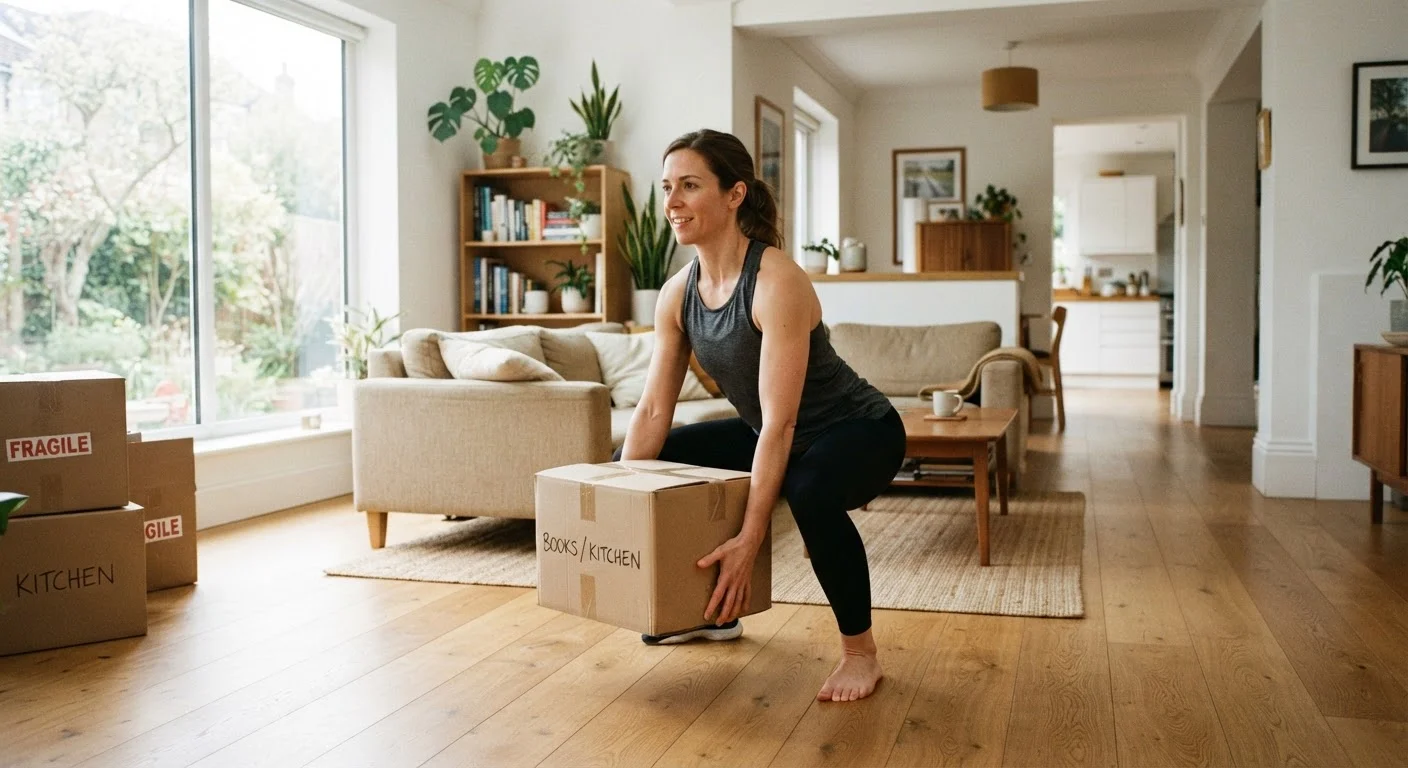
Photo credit: FaqInsider.com
In this article
Pushing, pulling, hinging, squatting—these fundamental movement patterns underpin daily function. Here's why they matter and how they show up in real life.
Key Takeaways
- Six fundamental movement patterns underpin nearly every physical task in daily life.
- Training these patterns can reduce injury risk and improve functional independence over time.
- You don't need a gym to practice or reinforce these movements in everyday routines.
- Each pattern has a direct real-world counterpart - from grocery lifting to climbing stairs.
- Consult a qualified health or fitness professional before starting a new exercise program.
Why Movement Patterns Matter More Than Isolated Exercises
Most of us think about exercise in terms of muscle groups - legs, back, arms. But movement science frames physical capacity differently: around movement patterns, the fundamental ways the human body organizes motion to interact with the world. These patterns are the building blocks of everything from unloading a dishwasher to hiking a trail.
Understanding these patterns matters because functional strength isn't about how much you can lift on an isolated machine - it's about how well your body coordinates effort across joints and muscles to accomplish real tasks. Research in exercise physiology consistently supports training movement rather than muscles in isolation as a more effective way to build lasting physical capacity. See how these patterns connect to a broader activity framework in our overview of the full spectrum of physical activity.
Below are six core movement patterns, what they look like in daily life, and why each one deserves your attention.
The Squat
The squat pattern involves bending at both the hips and knees while keeping the torso relatively upright - essentially the motion of sitting down and standing up. It's one of the most fundamental human movement patterns and appears constantly in daily life: lowering into a chair, picking something up from a low shelf, or playing on the floor with a child.
Strong, well-coordinated squatting mechanics support knee and hip health and reduce the likelihood of falls, particularly as people age. Weakness or stiffness in this pattern often shows up as difficulty rising from low surfaces without using your arms for support.
The ability to sit and stand with control is a genuine marker of functional independence.
The Hinge
A hinge is a bend at the hips with minimal knee bend - think of the motion of picking up a bag from the floor or leaning over a sink. Unlike the squat, the hinge loads the posterior chain heavily: the glutes, hamstrings, and lower back muscles that keep the spine protected under load.
Poor hinging mechanics are a common contributor to lower back strain. Learning to initiate movement from the hips rather than rounding the spine is one of the most practical injury-prevention habits an adult can develop. This matters especially for anyone who lifts children, luggage, or heavy objects regularly.
Hinging from the hips instead of the spine is one of the most protective movement habits you can build.
The Push
Pushing patterns move an object or the body away from a surface - pushing open a heavy door, pressing overhead to place something on a high shelf, or rising from the floor. These movements rely primarily on the chest, shoulders, and triceps, supported by core stability to transfer force effectively.
In daily function, the ability to push from a stable base translates to tasks ranging from moving furniture to getting up off the ground - something that becomes increasingly important with age. Maintaining this pattern also supports shoulder joint health when the movement is performed with good alignment.
Pushing mechanics connect directly to your ability to get up from the floor independently.
The Pull
Pulling is the counterpart to pushing: bringing something toward the body or pulling the body toward a fixed point. Opening a car door, pulling open a drawer, lifting a bag onto an overhead shelf, or climbing - all involve pulling mechanics, anchored in the back muscles and biceps.
In a sedentary lifestyle, pulling muscles tend to become underused relative to pushing muscles, contributing to postural imbalances and shoulder discomfort. Intentionally reinforcing the pull pattern - whether through rows, resistance band work, or practical tasks - helps maintain balanced upper-body function.
Pulling strength is often neglected in everyday life, yet it anchors posture and shoulder health.
The Carry
Carrying - moving through space while holding a load - is arguably the most ubiquitous functional movement pattern. Groceries, laundry, a child, a bag: all involve sustaining load while walking. What makes the carry deceptively demanding is that it requires the core, grip, and shoulder stabilizers to work continuously and simultaneously.
Carries in different configurations (load in one hand vs. both, at the side vs. overhead) challenge the body in distinct ways and are an efficient way to build real-world durability. Even brief, regular loaded carries as part of daily routines can reinforce trunk stability over time.
Carrying loads through space is one of the most practical tests of whole-body stability and endurance.
Gait and Locomotion
Walking, stepping, and climbing stairs form the foundation of human locomotion - and they represent far more than simple cardio. Each step requires single-leg balance, hip extension, and coordinated arm swing. Stairs add a step-up demand that challenges hip and knee strength through a greater range of motion.
Gait quality tends to decline gradually and often goes unnoticed until it causes a problem - a stumble, a fall, or chronic hip and knee pain. Maintaining deliberate, upright walking mechanics and regularly navigating varied terrain (inclines, uneven surfaces) helps preserve the neuromotor coordination underlying safe movement. This connects closely to the mental benefits of regular activity, explored in our piece on patterns that quietly erode mental well-being.
Gait quality is a window into overall neuromotor health - and it responds well to consistent, intentional practice.
Putting It All Together in Your Daily Life
These six patterns aren't isolated skills - they overlap and combine constantly. Carrying groceries from the car involves a hinge to pick up the bags, a gait pattern to walk them inside, and a push or rotate to close the door. When one pattern is weak or restricted, others compensate, which is often how overuse injuries develop over time.
Start With What You Already Do
You don't need to overhaul your routine to train these patterns. Begin by bringing awareness to how you already move - bending to pick something up, carrying bags, climbing stairs. Small adjustments in how you perform these tasks, such as engaging your core or driving from your hips, can accumulate into meaningful improvement over weeks and months. If you're uncertain about your movement mechanics, a session with a qualified physical therapist or certified personal trainer can be a practical starting point.
You don't need structured gym sessions to reinforce these patterns. Intentional practice during everyday tasks - bending with a straight back, squeezing your core when pushing a stroller, or stepping deliberately when climbing stairs - builds real-world movement quality. For a practical weekly framework that uses no equipment, see our guide on building a weekly movement routine without a gym.
This article is for general informational purposes only and does not constitute medical or fitness advice. Always consult a qualified healthcare or exercise professional before beginning a new movement or exercise program, especially if you have existing health conditions or injuries.

Author
Health & Wellness Editorial Team
Health & Wellness Editorial Team is the collective byline for our editorial team and contributor network. Articles published under this byline or an editorial pen name are researched, written, and reviewed according to our editorial standards for clarity, consistency, and independence before publication.
View all articles →