
Sleep Deprivation and Mental Health: A Two-Way Street
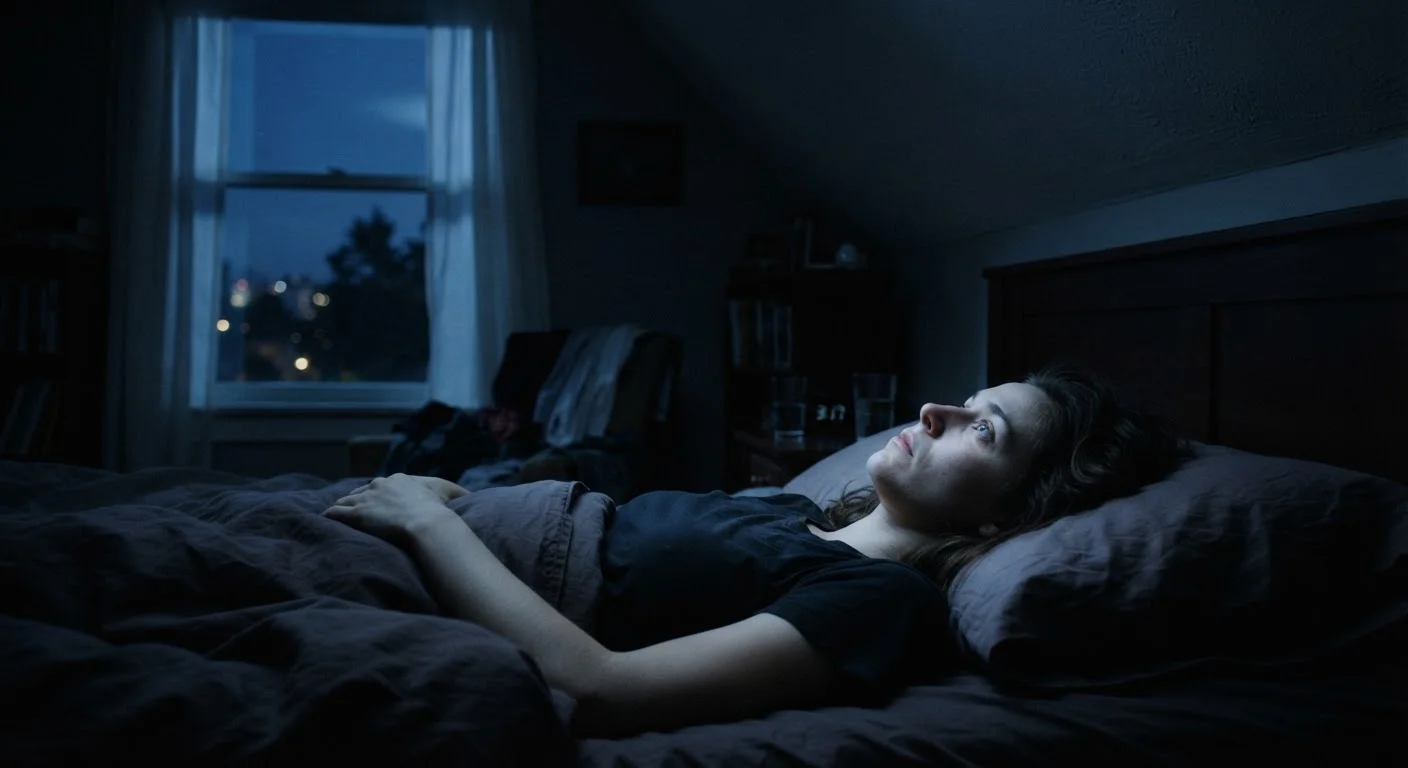
Photo credit: FaqInsider.com
In this article
Poor sleep worsens anxiety and low mood — and poor mental health disrupts sleep. Understanding this cycle is the first step to breaking it.
Key Takeaways
- Sleep deprivation and poor mental health reinforce each other in a two-way cycle.
- Even one or two nights of poor sleep can measurably affect mood, focus, and emotional regulation.
- Anxiety and depression are among the most common mental health conditions associated with disrupted sleep.
- Addressing sleep and mental health together tends to produce better outcomes than treating either in isolation.
- Behavioral strategies and professional support can both play a meaningful role in breaking the cycle.
- This article provides general health information - consult a qualified healthcare provider for personal guidance.
Why Sleep and Mental Health Are Inseparable
Sleep is not simply rest - it is an active, biologically essential process during which the brain consolidates memory, regulates hormones, and processes emotional experiences. When sleep is cut short or fragmented, these processes are disrupted. The consequences extend well beyond feeling tired.
Emotional regulation is among the first casualties of poor sleep. Studies have found that sleep-deprived individuals show heightened emotional reactivity - they respond more intensely to negative stimuli and have greater difficulty returning to a calm baseline. This is partly because the prefrontal cortex, responsible for rational judgment and impulse control, is especially sensitive to sleep loss. At the same time, the amygdala - which processes threat and fear - becomes more reactive.
This neurological shift helps explain why a rough night's sleep often makes small frustrations feel overwhelming. Over time, sustained sleep deprivation can create or worsen conditions like anxiety and depression, contributing to what researchers describe as a self-reinforcing cycle. Understanding that cycle is foundational to addressing either side of it effectively. As part of a broader look at daily habits, the patterns that quietly erode mental well-being article explores how routines - including sleep - shape long-term psychological health.
How Mental Health Conditions Disrupt Sleep
The relationship does not run in only one direction. Mental health conditions are among the most reliable predictors of poor sleep. Anxiety, for instance, is frequently associated with difficulty falling asleep because the mind remains in a hypervigilant, problem-solving state when it should be winding down. Racing thoughts and worry keep the nervous system aroused well past the point when rest would naturally occur.
Depression presents a somewhat different pattern. Some individuals with depression experience hypersomnia - sleeping excessively but still feeling unrefreshed. Others experience early-morning awakening, a recognized symptom of certain depressive episodes, where they wake hours before they intend to and cannot return to sleep. Post-traumatic stress disorder (PTSD) frequently disrupts sleep through nightmares and hyperarousal, while bipolar disorder can cause dramatic shifts between needing very little sleep and being unable to get out of bed.
~1 in 3
U.S. adults not getting enough sleep
The Centers for Disease Control and Prevention (CDC) has identified insufficient sleep as a public health concern, with roughly one in three American adults reporting fewer than seven hours per night.
75%
People with depression reporting sleep problems
Research estimates suggest that approximately 75% of individuals with depression experience some form of sleep disturbance, most commonly insomnia or early-morning awakening.
2-3×
Increased anxiety risk with chronic insomnia
Studies in the sleep medicine literature have found that individuals with chronic insomnia are two to three times more likely to develop an anxiety disorder compared to those who sleep well.
The practical implication is that improving sleep quality is not simply a matter of going to bed earlier. When an underlying mental health condition is driving the disruption, behavioral strategies alone may not be sufficient - professional evaluation becomes important. That said, good sleep habits remain a valuable complement to any treatment approach. Learning about sleep hygiene and its evidence-based foundations can help contextualize which behaviors matter most.
Breaking the Cycle: Practical and Professional Pathways
Addressing the sleep-mental health cycle usually requires attending to both elements rather than assuming one will automatically resolve the other. For many people, behavioral strategies - often grouped under the umbrella of sleep hygiene - provide a meaningful starting point that complements other care.
Cognitive behavioral therapy for insomnia (CBT-I) is a structured, evidence-based approach that specifically targets the thoughts and behaviors perpetuating poor sleep. Research consistently places it among the most effective interventions for chronic insomnia and has also shown benefit for people dealing with co-occurring anxiety or depression. Unlike medication, CBT-I addresses underlying patterns rather than symptoms alone.
Start With Consistent Sleep and Wake Times
One of the most evidence-supported behavioral strategies for improving sleep is maintaining consistent bed and wake times - even on weekends. A regular schedule helps anchor the body's circadian rhythm, making it easier to fall asleep and wake feeling more restored. Small, sustainable adjustments over several weeks tend to produce more durable results than dramatic overnight changes.
Evening routines also play a documented role. The hour before bed has an outsized influence on how easily the brain transitions into sleep - a concept explored in detail in the guide to building a wind-down routine. Reducing stimulation, managing light exposure, and creating predictable pre-sleep cues can signal the nervous system that rest is approaching.
Social connection is another often-overlooked factor. Isolation and loneliness are associated with both poorer sleep quality and worsened mood. The evidence on social connection and mental well-being highlights how meaningful relationships can buffer against some of the physiological consequences of stress - including sleep disruption.
Anyone experiencing persistent difficulty sleeping, sustained low mood, or both is encouraged to speak with a qualified healthcare provider. These are common experiences, and a range of effective supports exist.
This article is for general informational purposes only and does not constitute medical advice. Always consult a qualified healthcare professional regarding sleep concerns, mental health symptoms, or any decisions about your care.
Frequently Asked Questions

Author
Health & Wellness Editorial Team
Health & Wellness Editorial Team is the collective byline for our editorial team and contributor network. Articles published under this byline or an editorial pen name are researched, written, and reviewed according to our editorial standards for clarity, consistency, and independence before publication.
View all articles →