
Sleep Hygiene: The Habits That Shape How Well You Rest
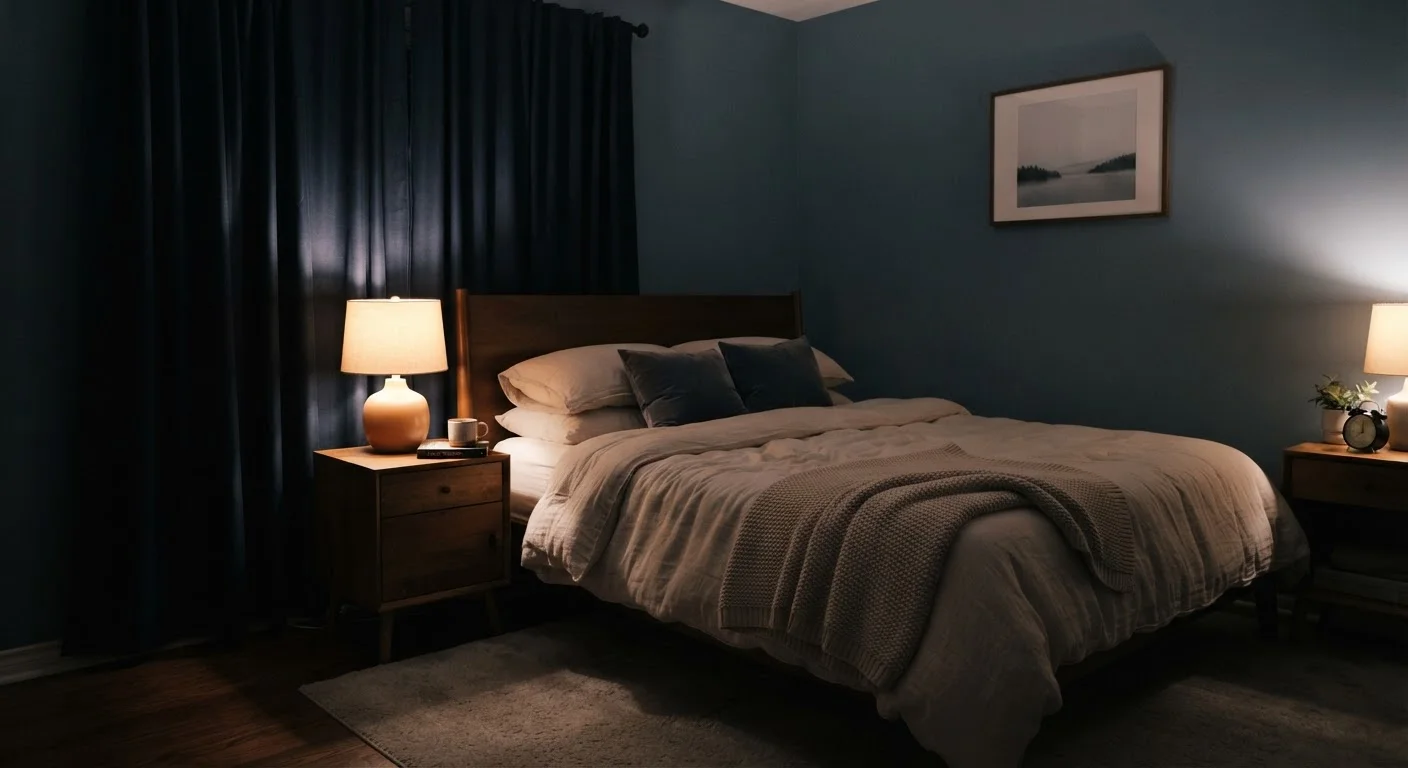
Photo credit: FaqInsider.com
In this article
Sleep hygiene isn't just about bedtime routines. This guide covers the science-backed environmental and behavioral factors that influence sleep quality.
Key Takeaways
- Sleep hygiene encompasses both environmental conditions and daily behavioral patterns, not just bedtime habits.
- Light, temperature, and noise in your bedroom significantly influence how quickly and deeply you sleep.
- Consistent wake and sleep times help regulate your body's internal clock more effectively than most other interventions.
- Caffeine, alcohol, and screen use in the hours before bed measurably disrupt sleep quality.
- Mental health and sleep are closely linked - stress and anxiety can perpetuate poor sleep in a self-reinforcing cycle.
- Persistent sleep difficulties warrant evaluation by a qualified healthcare professional.
What Is Sleep Hygiene?
Sleep hygiene refers to the collection of habits, behaviors, and environmental conditions that influence how well you sleep. The term can sound clinical, but the concept is straightforward: just as dental hygiene describes practices that protect your teeth, sleep hygiene describes practices that protect your rest.
It's a broad framework - encompassing everything from when you drink your last cup of coffee to how dark and quiet your bedroom is. Understanding it as a system, rather than a single trick or routine, is the starting point for making meaningful improvements.
Circadian rhythm
Your body's internal 24-hour biological clock that regulates when you feel awake and when you feel sleepy. It is influenced by light exposure, meal timing, and daily routines.
Melatonin
A hormone produced by the brain's pineal gland in response to darkness that signals the body it's time to sleep. Light exposure - especially blue light from screens - can delay its release.
Sleep architecture
The structural pattern of sleep stages your body cycles through during the night, including light sleep, deep sleep, and REM sleep. Disruptions to this pattern reduce how restorative your sleep feels.
Stimulus control
A behavioral principle that links a specific environment (your bed) to a specific response (sleep). Limiting non-sleep activities in bed strengthens this mental association over time.
Sleep latency
The amount of time it takes you to fall asleep after getting into bed. Very short or very long latency can both signal something is off with your sleep health.
CBT-I
Cognitive Behavioral Therapy for Insomnia - a structured, evidence-based treatment delivered by a trained clinician that addresses the thoughts and behaviors contributing to chronic sleep difficulties.
For a closer look at how sleep and mental health interact in ways that can make each other worse, see our companion piece on sleep deprivation and mental health.
Your Sleep Environment Matters More Than You Think
The physical space where you sleep has a direct and measurable effect on sleep quality. Three variables consistently stand out in the research: light, temperature, and noise.
- Light: Your brain uses light as its primary cue for regulating the sleep-wake cycle. Exposure to bright or blue-spectrum light in the evening - including from smartphones, tablets, and televisions - can suppress melatonin production and delay the onset of sleep. Blackout curtains or a sleep mask can reduce unwanted light during sleeping hours.
- Temperature: Core body temperature naturally decreases as you fall asleep. A room that is slightly cool tends to support this process. If you frequently wake feeling hot or uncomfortable, adjusting your thermostat, bedding weight, or sleepwear is worth exploring.
- Noise: Unpredictable sounds - traffic, a partner's snoring, nearby conversations - are more disruptive than consistent background noise. White noise machines or fans can mask irregular sounds for some people.
Your bed itself also matters. Using your bed primarily for sleep (rather than working, scrolling, or watching content) helps your brain associate it with rest - a principle known as stimulus control.
Behavioral Habits That Support or Undermine Sleep
Many everyday behaviors have downstream effects on sleep that aren't always obvious in the moment.
Consistency is the cornerstone. Going to bed and waking at roughly the same time each day - including weekends - helps regulate your circadian rhythm, your body's internal 24-hour clock. Irregular schedules make it harder for your brain to anticipate and prepare for sleep.
Caffeine's half-life is longer than most people realize. Caffeine consumed in the early afternoon can still be active in your system by evening for many people, making it harder to fall or stay asleep. Cutting off caffeine intake by early afternoon is a commonly cited general guideline, though individual sensitivity varies.
Alcohol disrupts sleep architecture. While it may initially feel sedating, alcohol fragments sleep later in the night and reduces time spent in restorative sleep stages.
Physical activity generally supports better sleep, though vigorous exercise very close to bedtime may be alerting for some individuals. Timing and intensity both matter, and responses differ by person.
Small Consistency Beats Occasional Perfection
You don't need to overhaul your entire routine overnight. Choosing one or two adjustments - like a consistent wake time or dimming lights in the evening - and maintaining them for a few weeks tends to produce more durable results than attempting a complete reset all at once. Build gradually, and allow your body time to adapt.
What you eat also plays a role. Our guide to nutrition habits worth building covers how meal timing and dietary patterns can support overall wellness, including rest.
The Mind-Sleep Connection
Sleep is not purely a physical process - the state of your mind as you approach bedtime shapes how easily and deeply you sleep. Anxiety, racing thoughts, and unresolved stress are among the most common reasons people lie awake despite feeling tired.
Worry about sleep itself can become a barrier. The frustration of not sleeping creates tension that makes sleep less likely, reinforcing the very problem. Recognizing this cycle - without judgment - is an important first step.
Winding down gradually in the hour before bed, rather than switching abruptly from stimulating activity to attempting sleep, gives your nervous system time to shift gears. This might look like gentle movement, reading, or quiet conversation - whatever helps you personally feel less activated. Our article on building a wind-down routine offers practical approaches grounded in these principles.
When to Seek Professional Guidance
Sleep hygiene improvements help many people, but they are not a substitute for clinical care when a sleep disorder is present. Conditions like obstructive sleep apnea, restless legs syndrome, and chronic insomnia disorder have specific diagnostic criteria and treatment approaches that go well beyond lifestyle changes.
Speak with a qualified healthcare professional if:
- Sleep difficulties have persisted for several weeks or more
- You regularly feel unrefreshed despite adequate hours in bed
- A bed partner has noticed loud snoring, gasping, or pauses in your breathing
- Daytime sleepiness affects your safety or ability to function
- Sleep problems are closely tied to significant anxiety, low mood, or other mental health concerns
Cognitive behavioral therapy for insomnia (CBT-I) is a structured, evidence-based treatment that a trained provider can guide you through - and research generally supports it as a first-line approach for chronic insomnia in adults.
This article is for general informational and educational purposes only. It is not medical advice. Always consult a qualified healthcare professional for guidance specific to your health situation.
Frequently Asked Questions

Author
Health & Wellness Editorial Team
Health & Wellness Editorial Team is the collective byline for our editorial team and contributor network. Articles published under this byline or an editorial pen name are researched, written, and reviewed according to our editorial standards for clarity, consistency, and independence before publication.
View all articles →