
Mediterranean Diet vs. Standard American Diet: A Nutritional Comparison
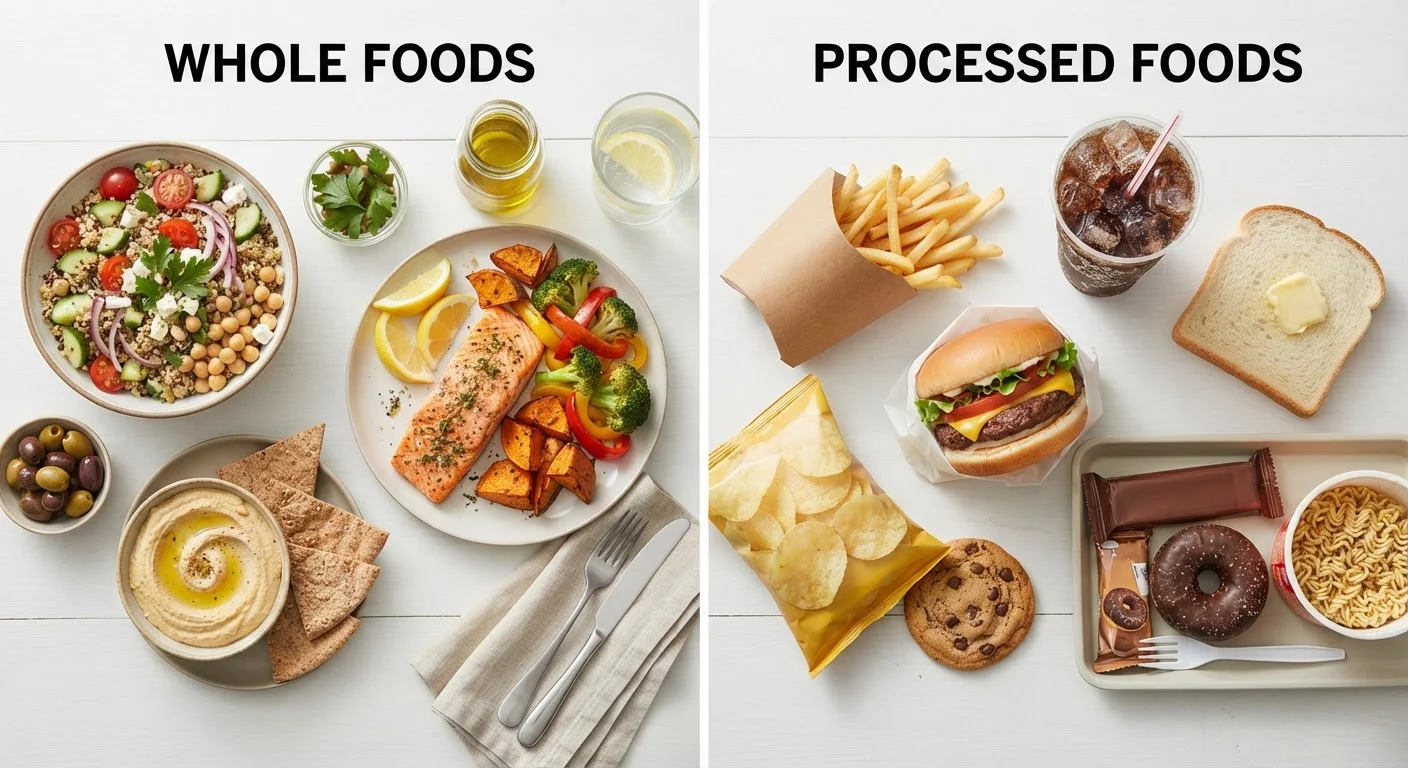
Photo credit: FaqInsider.com
In this article
Compare the structure, food patterns, and research-backed health outcomes of two very different ways of eating.
Key Takeaways
- The Mediterranean diet emphasizes whole grains, vegetables, legumes, fish, and olive oil as its foundation.
- The Standard American Diet is typically high in processed foods, added sugars, refined grains, and saturated fats.
- Research consistently associates Mediterranean-style eating with lower risks of heart disease and certain chronic conditions.
- Shifting from one pattern to the other doesn't require perfection - gradual changes can meaningfully improve nutritional quality.
- Both dietary patterns can vary widely depending on individual food choices within each framework.
What Each Dietary Pattern Actually Looks Like
The Mediterranean diet is not a rigid meal plan but a traditional eating pattern drawn from countries bordering the Mediterranean Sea. Its foundation includes abundant vegetables, fruits, legumes, whole grains, nuts, and seeds, with olive oil as the primary fat source. Fish and seafood appear regularly, while red meat and sweets are consumed sparingly. Moderate amounts of dairy - typically yogurt and cheese - are part of the pattern for many followers.
The Standard American Diet (often abbreviated as SAD) describes the prevailing eating habits across much of the United States. It is characterized by high intakes of ultra-processed foods, refined carbohydrates, added sugars, sodium, and saturated fats from red meat and full-fat dairy. Fresh produce, legumes, and whole grains tend to be underrepresented. According to U.S. dietary surveillance data, most Americans fall significantly short of recommended fruit, vegetable, and fiber intakes.
Understanding these two patterns side by side helps clarify not just what people eat, but what nutrients they consistently get - or miss. For a broader look at similar evidence-based frameworks, see how Mediterranean, DASH, and whole-food approaches compare.
| Mediterranean Diet | Standard American Diet | |
|---|---|---|
| Primary fat source | Olive oil, nuts (monounsaturated) | Processed/fried foods, red meat (saturated) |
| Protein sources | Fish, legumes, modest poultry | Red meat, processed meats, poultry |
| Grain type | Primarily whole grains | Predominantly refined grains |
| Vegetable and fruit intake | High, central to every meal | Below recommended levels for most |
| Added sugar | Very low | Frequently exceeds daily guidelines |
| Dietary fiber | High from legumes, grains, produce | Typically well below recommendations |
| Degree of food processing | Mostly whole or minimally processed | Heavy reliance on ultra-processed foods |
Key Nutritional Differences
The most meaningful contrasts between these two patterns come down to fat quality, fiber content, and the degree of food processing involved.
Fat quality: The Mediterranean diet is high in monounsaturated fats - primarily from olive oil and nuts - and omega-3 fatty acids from fish. These fat sources have been associated with favorable effects on blood lipid profiles in numerous studies. The Standard American Diet tends to be higher in saturated and trans fats from processed meats, fried foods, and baked goods, which current evidence links to elevated LDL cholesterol levels.
Fiber: Legumes, whole grains, fruits, and vegetables supply substantial dietary fiber in the Mediterranean pattern. Most Americans consume roughly half the daily fiber amount that nutrition guidelines recommend. Fiber supports digestive health, satiety, and blood sugar regulation. For more detail on grain choices and their health implications, see how whole and refined grains differ.
Added sugar and sodium: Ultra-processed foods drive both added sugar and sodium intake in the Standard American Diet to levels that exceed recommended thresholds for most age groups. The Mediterranean pattern contains naturally occurring sugars from fruit and very little added sugar overall.
Small Swaps Can Make a Real Difference
Adopting Mediterranean-style eating doesn't mean overhauling your entire diet overnight. Practical starting points include replacing refined grains with whole-grain options, using olive oil in place of butter for cooking, and adding one legume-based meal per week. Gradual, sustainable changes tend to be more effective long-term than abrupt, all-or-nothing shifts. For a plant-forward perspective on similar shifts, explore plant-based eating benefits and trade-offs.
What the Research Shows
The Mediterranean diet is among the most extensively studied dietary patterns in nutritional science. Large observational studies and several randomized controlled trials - including the PREDIMED trial conducted in Spain - have found associations between Mediterranean-style eating and reduced risk of cardiovascular events, type 2 diabetes, and all-cause mortality. Researchers attribute these associations to the cumulative effect of the diet's nutrient profile rather than any single food or ingredient.
The Standard American Diet, by contrast, has been repeatedly identified in public health research as a contributor to high rates of obesity, hypertension, type 2 diabetes, and cardiovascular disease in the U.S. population. The heavy reliance on ultra-processed foods is a particularly well-documented concern in recent nutritional epidemiology.
It is important to note that most nutrition research in this area is observational, meaning it identifies associations rather than proving direct causation. Individual genetics, physical activity levels, and overall lifestyle all influence health outcomes in ways that dietary pattern alone cannot fully explain.
~16g
Average daily fiber intake for U.S. adults
U.S. dietary guidelines recommend 22-34g per day for adults; most Americans fall far short, according to USDA dietary surveillance data.
~17 tsp
Average daily added sugar consumed per American
The American Heart Association recommends no more than 6-9 teaspoons per day; the typical U.S. intake significantly exceeds this threshold.
If you are considering a shift in eating pattern, a self-assessment checklist can help you identify where your current habits stand and set realistic goals.
This article is for general informational and educational purposes only and does not constitute medical or dietary advice. Consult a qualified healthcare professional or registered dietitian before making significant changes to your diet, particularly if you have a chronic health condition.

Author
Health & Wellness Editorial Team
Health & Wellness Editorial Team is the collective byline for our editorial team and contributor network. Articles published under this byline or an editorial pen name are researched, written, and reviewed according to our editorial standards for clarity, consistency, and independence before publication.
View all articles →