
Understanding Eating Patterns: Mediterranean, DASH, and Whole-Food Approaches Compared
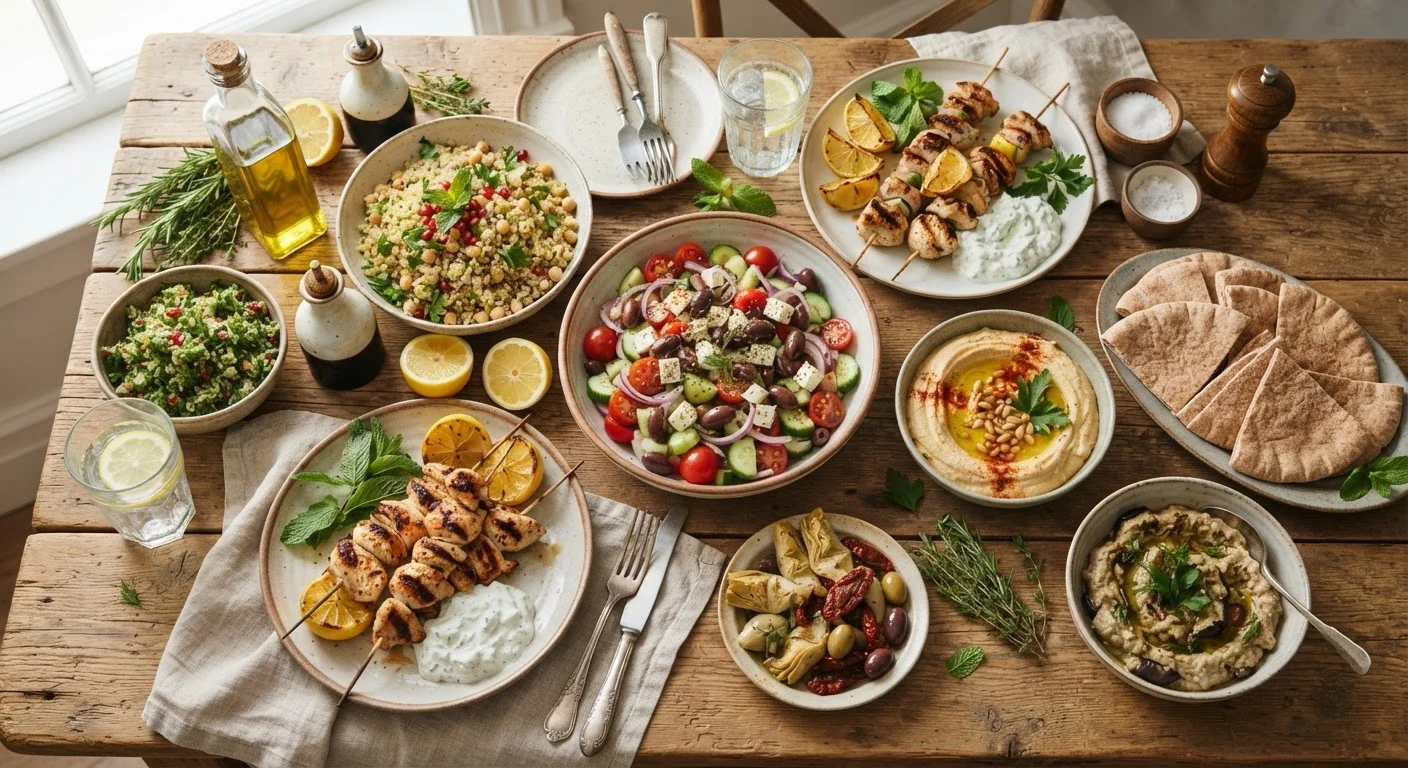
Photo credit: FaqInsider.com
In this article
A side-by-side look at three well-researched dietary patterns — what each emphasizes, the evidence behind them, and who they suit.
Key Takeaways
- The Mediterranean, DASH, and whole-food dietary patterns are all backed by substantial research linking them to improved long-term health outcomes.
- Each pattern has distinct emphases: Mediterranean prioritizes healthy fats and variety; DASH targets sodium reduction and blood pressure; whole-food approaches focus on minimizing processing.
- All three patterns overlap significantly - vegetables, legumes, whole grains, and lean proteins appear in each.
- No single eating pattern is universally ideal; individual health history, preferences, and lifestyle all matter.
- Consulting a registered dietitian can help you adapt any of these frameworks to your specific needs.
What Each Eating Pattern Actually Emphasizes
These three frameworks are often discussed interchangeably, but each has a distinct focus worth understanding before drawing comparisons.
The Mediterranean pattern is modeled on traditional eating habits from countries bordering the Mediterranean Sea. It emphasizes abundant vegetables, fruits, whole grains, legumes, nuts, and olive oil as primary fat sources. Fish and seafood appear frequently, while red meat and heavily processed foods are limited. Moderate consumption of dairy - particularly yogurt and cheese - is common. Notably, the pattern prioritizes dietary variety and cultural enjoyment of food.
The DASH pattern (Dietary Approaches to Stop Hypertension) was developed specifically to address high blood pressure. It similarly emphasizes vegetables, fruits, whole grains, and lean proteins - but it places explicit limits on sodium, saturated fat, and added sugars, and encourages adequate calcium, potassium, and magnesium intake. DASH provides more structured nutrient targets than the Mediterranean approach. You can read more about the broader cardiovascular comparisons in our Mediterranean vs. Standard American Diet comparison.
The whole-food approach is not a single defined protocol but a broad principle: center the diet on foods that are minimally processed and close to their natural state. This can be omnivorous or plant-based. The whole-food plant-based (WFPB) variant excludes or minimizes animal products and all refined foods. For a closer look at plant-forward eating, see our plant-based eating overview.
Comparing the Three Patterns Side by Side
Despite different origins and emphases, the three patterns overlap considerably. The table below highlights their key structural differences across common criteria.
| Mediterranean | DASH | Whole-Food (Omnivore) | Whole-Food Plant-Based | |
|---|---|---|---|---|
| Primary focus | Dietary variety and healthy fats | Blood pressure and sodium control | Minimizing food processing | Eliminating processed and animal foods |
| Animal protein | Fish often; red meat limited | Lean meats, poultry, fish | All types, minimally processed | None or minimal |
| Fat guidance | Emphasizes olive oil and nuts | Limits saturated fat | Quality fats from whole sources | Mostly from nuts, seeds, avocado |
| Sodium targets | No explicit limit; naturally moderate | Explicit low-sodium target | Varies; processed foods avoided | Naturally lower; processed foods avoided |
| Flexibility / structure | High flexibility, no calorie counting | Moderate structure with nutrient goals | High flexibility by principle | Structured by food-group exclusions |
| Key nutrient considerations | Generally nutrient-complete | Encourages calcium, potassium, magnesium | Depends on food choices made | May need B12, iron, zinc, omega-3s |
| Strength of evidence | Very extensive; multiple RCTs | Strong; clinical trials for BP | Growing; largely observational | Moderate; growing intervention data |
One consistent thread: all three patterns limit ultra-processed foods - refined grains, added sugars, processed meats, and high-sodium packaged products. Understanding the role of grain quality is relevant across all three; our whole grains vs. refined grains guide explains why this distinction matters.
The Evidence Behind Each Pattern
Each approach is supported by a meaningful body of research, though the quantity and type of evidence varies.
~30%
Cardiovascular event reduction in key Mediterranean trial
The PREDIMED randomized controlled trial found approximately 30% lower major cardiovascular events in participants following a Mediterranean diet supplemented with olive oil or nuts compared to a low-fat control diet.
8-14 mmHg
Average systolic blood pressure reduction with DASH
Clinical trials of the DASH eating plan have consistently demonstrated reductions in systolic blood pressure in this range, with larger effects seen in people with hypertension.
~23%
Lower heart disease risk with plant-forward diets
A meta-analysis published in the Journal of the American Heart Association found plant-based dietary patterns were associated with approximately 23% lower risk of cardiovascular disease mortality.
The Mediterranean pattern has one of the most extensive evidence bases in nutritional epidemiology. Large observational studies and several randomized controlled trials - including the PREDIMED trial published in the New England Journal of Medicine - have linked it to reduced cardiovascular risk, lower rates of type 2 diabetes, and improved cognitive outcomes. However, most long-term data are observational, which limits conclusions about direct causation.
DASH has been validated in controlled clinical trials for blood pressure reduction. Research consistently shows meaningful reductions in systolic and diastolic blood pressure, even without weight loss. Because blood pressure is a major cardiovascular risk factor, this evidence has influenced clinical guidelines from multiple health organizations.
The whole-food approach, particularly the plant-based variant, is supported by research on populations with plant-forward diets and a growing body of intervention studies. Evidence links it to favorable outcomes for weight management, blood lipids, and insulin sensitivity. However, planning is required to avoid deficiencies - particularly in vitamin B12, iron, zinc, calcium, and omega-3 fatty acids when animal products are largely excluded.
For practical habits that complement any of these frameworks, see our evidence-informed nutrition habits guide.
Choosing a Pattern That Works for You
No single eating pattern is the right fit for every person. Factors including underlying health conditions, cultural food traditions, budget, cooking skill, and personal preferences all shape what is sustainable long-term.
Start With Overlap, Not Overhaul
All three patterns share a core: more vegetables, legumes, whole grains, and less ultra-processed food. Rather than committing to a single labeled approach, identify the overlapping habits and build from there. Sustainable change typically happens incrementally, not through a complete overnight dietary reset.
If you are managing a specific condition such as hypertension, diabetes, or cardiovascular disease, these patterns are not substitutes for personalized medical guidance. A registered dietitian can help you adapt whichever framework makes sense given your full health picture.
For those ready to put any of these principles into practice, practical meal planning strategies can help structure weekly eating without rigid rules.
This article provides general nutrition information and education and is not a substitute for personalized medical or dietary advice. Always consult a qualified healthcare professional or registered dietitian before making significant changes to your diet, especially if you have an existing health condition.

Author
Health & Wellness Editorial Team
Health & Wellness Editorial Team is the collective byline for our editorial team and contributor network. Articles published under this byline or an editorial pen name are researched, written, and reviewed according to our editorial standards for clarity, consistency, and independence before publication.
View all articles →