
Reading a Nutrition Label Without the Guesswork
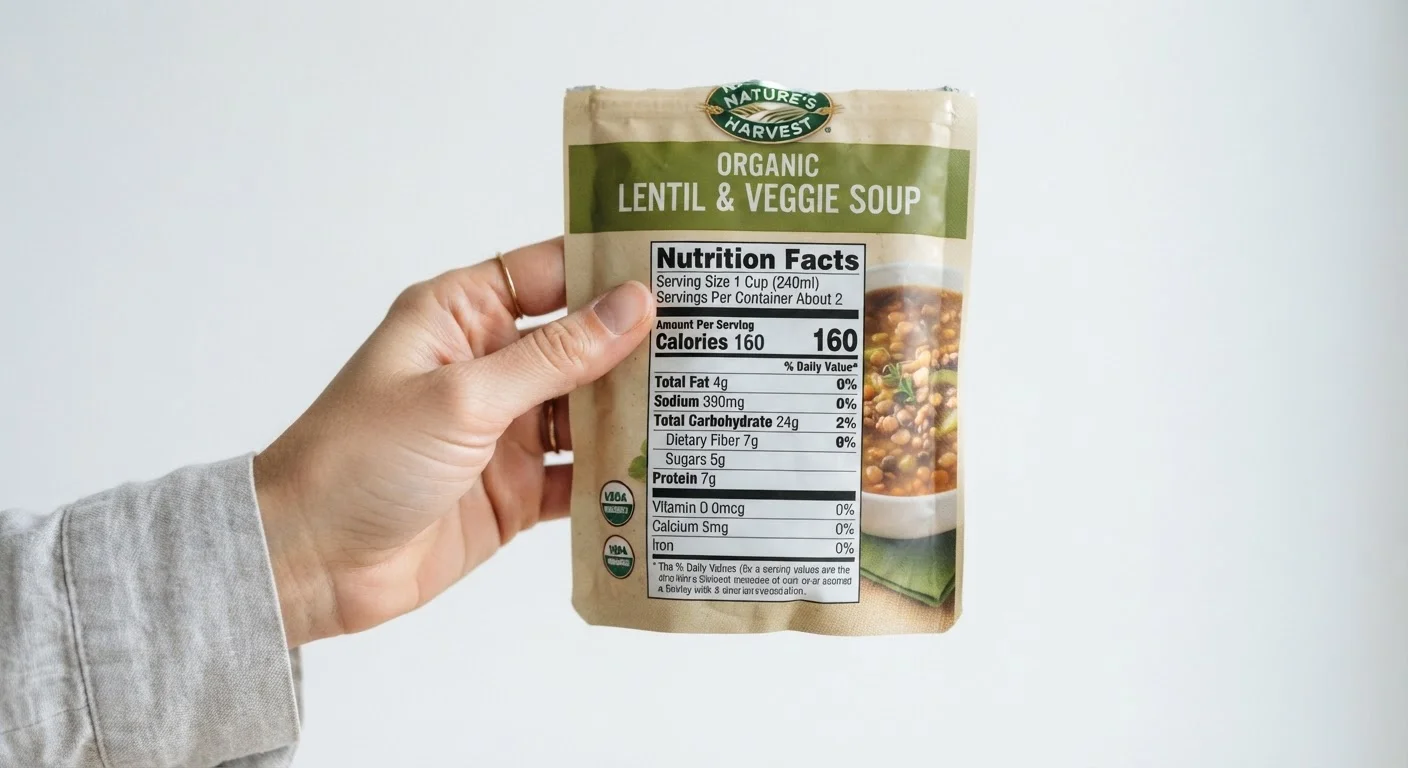
Photo credit: FaqInsider.com
In this article
A plain-language walkthrough of every section on a standard U.S. nutrition facts label, from serving size to daily values.
Key Takeaways
- Serving size is the reference point for every number on the label - always check it first.
- % Daily Value tells you how much a nutrient one serving contributes to a standard 2,000-calorie diet.
- 5% DV or less is considered low for a nutrient; 20% DV or more is considered high.
- Added sugars and sodium are among the nutrients most Americans benefit from limiting.
- The ingredient list is ordered by weight - the first few ingredients dominate the product.
Why the Nutrition Facts Label Exists
The Nutrition Facts label is a federally standardized panel required on most packaged foods sold in the United States. The Food and Drug Administration (FDA) updated the format in 2020 to reflect advances in nutrition science and to make the most important information easier to find at a glance. Understanding the label's structure lets you use it as a practical tool rather than a source of confusion.
This walkthrough covers the label section by section, in the order you'll encounter it on packaging. No nutrition degree required.
What you will need
Step-by-Step: How to Read Each Section
Work through the label from top to bottom. Each section builds on the one before it.
Start with Serving Size
The serving size appears at the very top of the label in large, bold type. It tells you the amount of food all the numbers on the label refer to - for example, 2/3 cup (55g). Directly below, the label shows how many servings are in the entire container.
If you eat two servings, every number on the label doubles. This single step prevents the most common misreading of nutrition information.
Check the Calories
Calories measure the total energy in one serving. The updated label displays this number prominently. Use it to understand the energy density of a food relative to its serving size, not as the sole indicator of whether a food is nutritious.
Read the Macronutrients
Below calories, the label lists the three macronutrients - fat, carbohydrates, and protein - in grams per serving. Fat is further broken down into saturated fat and trans fat. Carbohydrates are broken down into dietary fiber and total sugars, with added sugars listed as a sub-item beneath total sugars.
Added sugars are those incorporated during processing; they differ from sugars naturally present in fruit or dairy.
Interpret % Daily Value (%DV)
% Daily Value (%DV) is printed to the right of most nutrients. It tells you what percentage of the recommended daily amount for that nutrient is provided by one serving, based on a 2,000-calorie daily diet.
- 5% DV or less = low in that nutrient
- 20% DV or more = high in that nutrient
Use this scale to quickly judge whether a food is a meaningful source of a beneficial nutrient, or notably high in one you're trying to limit.
Scan the Vitamins and Minerals
The lower portion of the label lists specific micronutrients - vitamin D, calcium, iron, and potassium are required by the FDA because Americans commonly consume too little of them. Their %DV values let you assess whether a product contributes meaningfully to your daily intake.
Review the Ingredient List
The ingredient list appears below or beside the Nutrition Facts panel. Ingredients are listed in descending order by weight - the first ingredient is present in the largest amount. A product whose first three ingredients are whole foods (oats, almonds, dried fruit, for example) has a very different nutritional profile than one where refined flour or sugar leads the list.
The ingredient list is also where you'll find allergen information and identify additives or preservatives if those are considerations for you.
Once you're comfortable interpreting labels, you can apply these skills when building a plate that actually covers your nutritional bases without relying on complicated calorie counting.
Nutrients to Prioritize and Nutrients to Watch
The label groups nutrients into two informal categories, though it doesn't label them as such:
- Nutrients to get enough of: dietary fiber, vitamin D, calcium, iron, and potassium. Many Americans fall short on these, which is why they appear on the label.
- Nutrients to limit: saturated fat, sodium, and added sugars. Regularly consuming these in excess is associated with increased risk of certain chronic conditions, according to public health guidance from the FDA and the Dietary Guidelines for Americans.
Added sugars warrant particular attention because they can be easy to overlook. For a closer look at where added sugar appears and what guidelines recommend, see Understanding Added Sugar: Where It Hides and What Guidelines Say.
The 5/20 Rule Is a Useful Shortcut
When you don't have time to analyze every nutrient, use the 5/20 rule: 5% DV or less means a food is low in that nutrient; 20% DV or more means it's high. Apply this to fiber and key vitamins (aim higher) and to sodium, saturated fat, and added sugars (aim lower). It won't replace a full label read, but it makes quick comparisons much faster.
This article is for general informational and educational purposes only and is not a substitute for advice from a qualified healthcare provider or registered dietitian. Consult a professional for guidance tailored to your individual health needs.

Author
Health & Wellness Editorial Team
Health & Wellness Editorial Team is the collective byline for our editorial team and contributor network. Articles published under this byline or an editorial pen name are researched, written, and reviewed according to our editorial standards for clarity, consistency, and independence before publication.
View all articles →