
Home Renovation on a Budget: Planning Priorities That Actually Hold Up
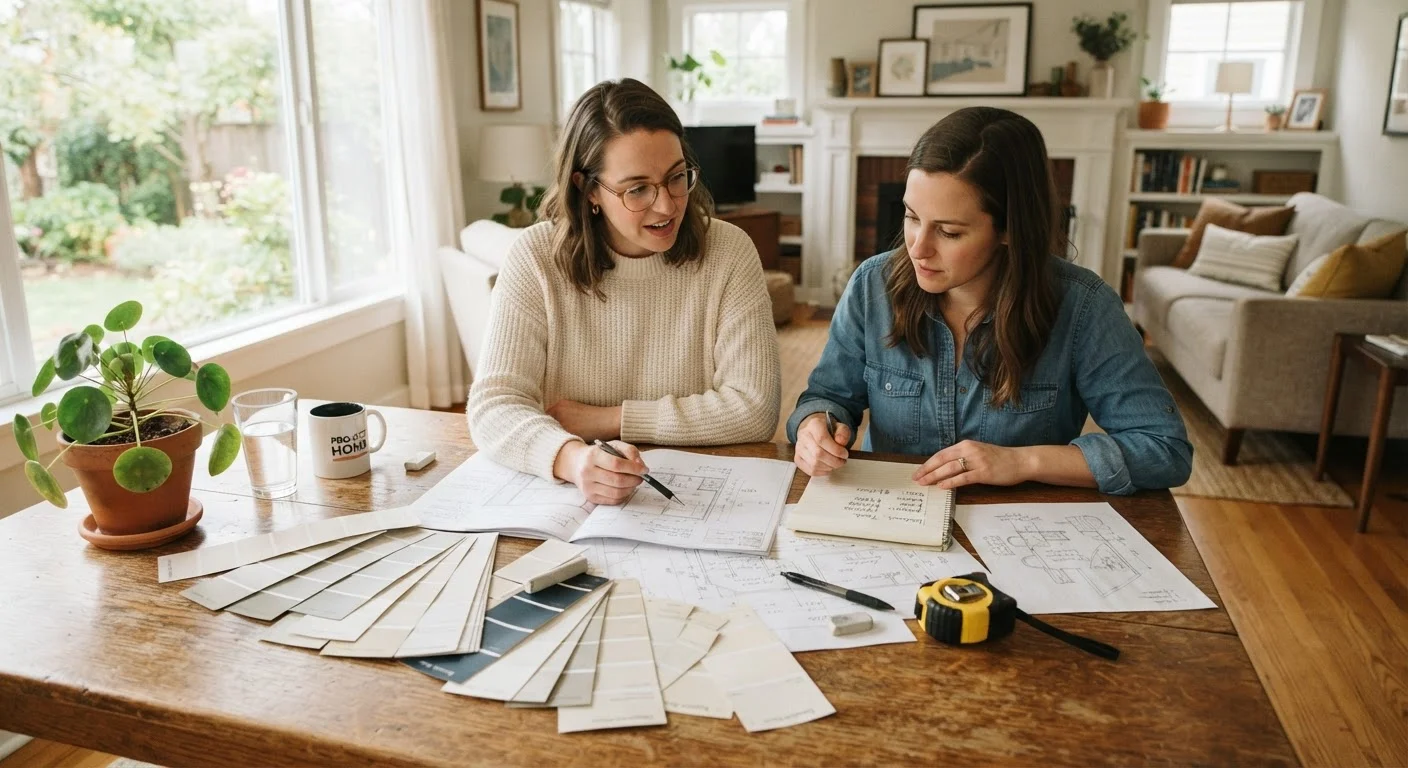
Photo credit: FaqInsider.com
In this article
How to sequence renovation projects, allocate funds wisely, and avoid the costly missteps that derail DIY budgets. General guidance, not financial advice.
Key Takeaways
- Fix structural and safety issues before cosmetic upgrades - sequencing prevents expensive rework.
- A contingency fund of 10-20% of your total budget is a standard industry buffer, not optional padding.
- Permits and code compliance protect your investment and avoid legal complications at resale.
- Knowing which tasks to DIY and which to hand to professionals directly controls project cost and safety.
- Scope creep - adding new work mid-project - is one of the most common budget killers in home renovation.
Start With Structure, Not Style
The instinct to start with the rooms you see every day is understandable, but renovation budgets hold up best when structural and systemic needs come first. A fresh kitchen backsplash means nothing if the wall behind it has a moisture problem. Water intrusion, foundation settling, aging electrical panels, and failing HVAC systems are the projects that, left unaddressed, make every other improvement you make more vulnerable - and more expensive to redo later.
Before allocating a dollar to cosmetic updates, walk through your home and honestly document anything that affects safety, weatherproofing, or core systems. A pre-project checklist can help you work through this systematically so nothing critical gets overlooked. Once those priorities are handled, cosmetic improvements can proceed on a much more stable foundation - literally and financially.
Permits Protect More Than You Might Think
Many homeowners skip permits to save time or money, but permitted work is typically inspected for safety and code compliance - protections that benefit you, not just future buyers. Unpermitted work can also complicate homeowners insurance claims if damage is traced to an uninspected modification. When in doubt, contact your local building department before work begins.
Build a Realistic Budget - Including the Buffer
Renovation costs have a consistent tendency to exceed initial estimates. Material prices fluctuate, hidden conditions emerge once walls are opened, and shipping delays can push project timelines and costs in unexpected directions. A widely cited industry guideline suggests reserving 10-20% of your total renovation budget as a contingency fund. This isn't pessimism - it's how experienced homeowners protect themselves from the most predictable form of budget disruption.
10-20%
Recommended renovation contingency fund
Industry professionals commonly advise homeowners to reserve 10-20% of total project costs as a contingency buffer for unexpected conditions and cost overruns.
~35%
Renovations that exceed initial budget
Research from the Harvard Joint Center for Housing Studies and industry surveys consistently shows a substantial share of home improvement projects exceed their original cost estimates.
When estimating costs, get itemized quotes rather than rough ballpark figures. Breaking a project into labor, materials, permits, and disposal costs separately gives you more control and clearer places to make trade-offs. For guidance on building a reliable spending framework, the Budgeting Basics hub offers practical strategies that translate well to project planning.
It's also worth understanding which projects are likely to recover costs at resale and which are primarily for your own enjoyment. That knowledge shapes smart prioritization. Understanding ROI in home improvement can help frame those decisions before you commit significant funds.
Best Practices for Keeping Renovations on Track
The following practices reflect what tends to separate successful renovation projects from costly, frustrating ones. Apply as many as fit your project scope.
Sequence projects to avoid undoing completed work.
Installing new flooring before finishing plumbing rough-in, or painting before drywall patching is complete, forces rework that doubles both time and cost. Working in the correct order - rough work before finish work - is a fundamental construction principle that amateur renovators frequently skip.
Secure permits before work begins, not after.
Unpermitted work can complicate home sales, void homeowner's insurance claims related to that work, and result in costly forced remediation. Many municipalities require inspections at specific stages - once walls are closed, opportunities for required inspections may be lost.
Define your scope in writing before contacting contractors.
Vague project descriptions produce vague quotes, which makes it almost impossible to compare bids meaningfully. A written scope also reduces the risk of scope creep - additional work added informally during the project that inflates final costs without formal approval.
Vet contractors through references and documentation, not just price.
Choosing the lowest bid without checking licensing, insurance, and references is a common and costly mistake. An unlicensed contractor who disappears mid-project or causes damage may leave the homeowner with no legal or financial recourse.
Protect against scope creep with a formal change-order process.
Scope creep - adding or modifying work informally during a project - is one of the leading causes of budget overruns. A formal change-order process ensures every addition is documented, priced, and approved in writing before work proceeds.
Know Your DIY Limits Before You Start
Taking on work yourself can meaningfully reduce labor costs - but only when your skills match the task. Overestimating capability is one of the most reliable paths to expensive professional rescue calls mid-project. Painting, basic tiling, landscaping, and simple fixture swaps are areas where motivated homeowners regularly succeed. Electrical work, load-bearing structural changes, gas line modifications, and roofing involve risks and code requirements that typically call for licensed professionals.
An honest look at where DIY makes sense walks through the cost-benefit trade-offs in practical terms. If you're unsure where your skills fall on a specific project, this framework for honestly assessing your skill level offers a structured way to decide before you start pulling things apart.
This article is for general informational purposes only. Costs, timelines, and outcomes vary significantly by location, project scope, and home condition. Always verify local permit and code requirements with the appropriate authority, and consult a licensed professional for hazardous or regulated work.

Author
Home & Garden Editorial Team
Home & Garden Editorial Team is the collective byline for our editorial team and contributor network. Articles published under this byline or an editorial pen name are researched, written, and reviewed according to our editorial standards for clarity, consistency, and independence before publication.
View all articles →