
Understanding ROI in Home Improvement: Which Projects Add Value and Which Don't
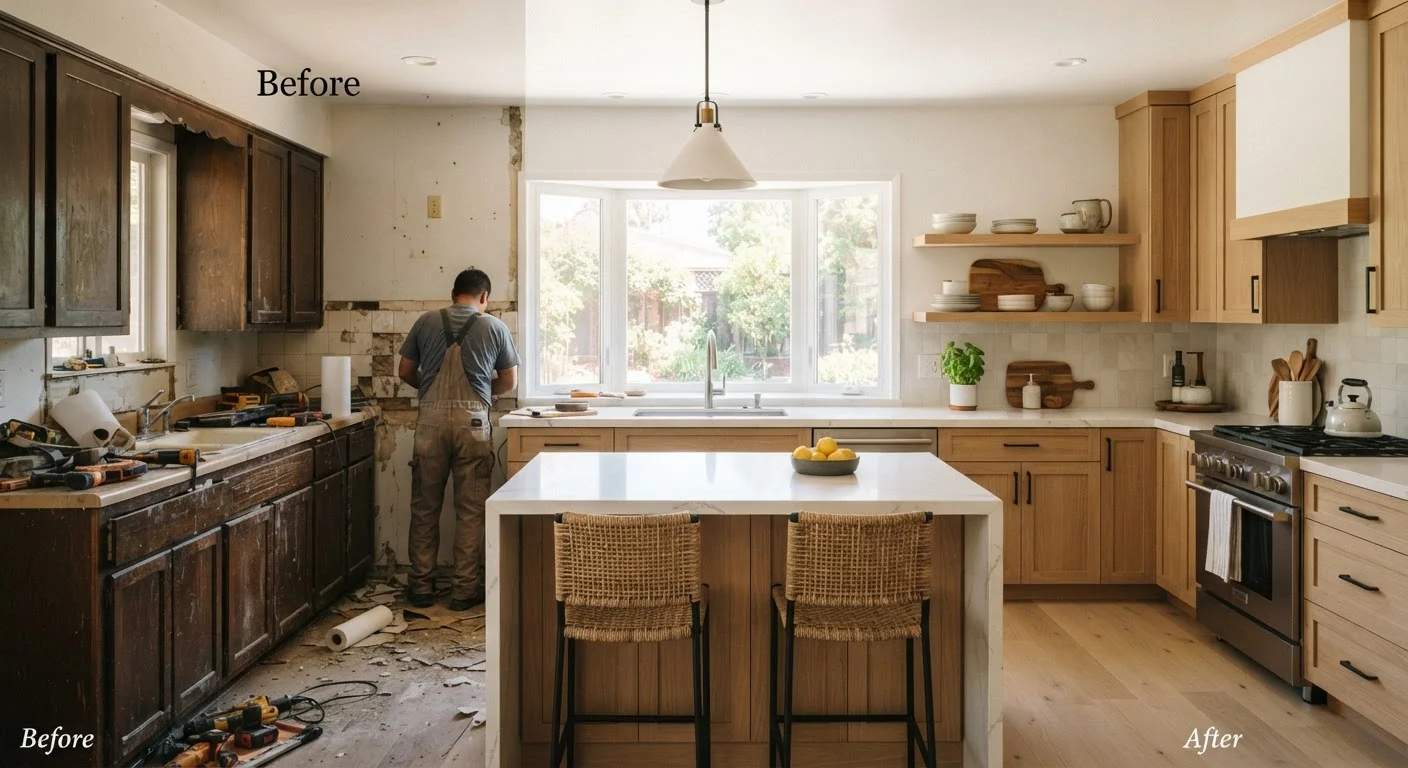
Photo credit: FaqInsider.com
In this article
Not all renovations recoup their cost at resale. This overview explains how return on investment works in home improvement and what factors actually influence value.
Key Takeaways
- ROI in home improvement measures how much renovation cost you recover when you sell.
- Projects that align with neighborhood norms and buyer expectations tend to recoup more.
- Kitchen and bathroom updates, curb appeal, and functional repairs generally rank highest for ROI.
- Highly personalized renovations - like luxury pools or niche finishes - often recover less at resale.
- Livability improvements have real value even when they don't fully recoup cost.
- Local market conditions heavily influence which projects add meaningful resale value.
Why ROI Thinking Matters Before You Pick Up a Hammer
Homeowners spend billions annually on renovations, yet many are surprised to discover that most projects don't fully pay for themselves at resale. That doesn't make them bad decisions - but it does mean going in with clear expectations matters. Understanding ROI helps you prioritize: some projects pay back handsomely, others are worth doing purely for comfort, and a few rarely justify their price tag if your primary goal is resale value.
Before starting any significant project, it's worth asking two distinct questions: How will this improve my life while I live here? and How much of this cost will I realistically recover when I sell? Both are valid - but they can lead to very different renovation decisions. See our comprehensive renovation planning guide for a full framework on scoping and budgeting your project.
~69%
Average ROI for a minor kitchen remodel
Industry surveys on renovation cost vs. value have consistently found that minor kitchen remodels recoup a larger share of cost than major overhauls, often in the range of 65-80% depending on region and market.
~194%
Estimated ROI for garage door replacement
Garage door replacement has ranked among the top ROI projects in multiple cost-vs-value industry analyses, reflecting its high visibility and relatively modest installation cost.
~56%
Typical ROI for an upscale bathroom addition
Adding a luxury bathroom tends to recoup roughly half to two-thirds of its cost at resale, according to remodeling industry benchmarks, with significant variation based on local market conditions.
Projects That Tend to Deliver Strong Returns
Certain categories of improvement consistently recoup a larger share of their cost, according to industry research and real estate professionals. These projects share common traits: they appeal broadly to buyers, they address functional concerns, and they align with what comparable homes in the area offer.
- Minor kitchen updates: A full gut renovation rarely recoups 100% of its cost, but targeted updates - new cabinet fronts, countertops, faucets, or appliances - often deliver solid returns because kitchens are central to buyer decisions.
- Bathroom refreshes: Adding a bathroom or modernizing an outdated one (new vanity, tile, lighting) tends to pay off well, especially when the home is underbathed relative to its bedroom count.
- Curb appeal projects: A new front door, garage door replacement, fresh exterior paint, or basic landscaping improvements are among the highest-ROI investments because first impressions drive buyer interest.
- Functional systems: Replacing an aging roof, HVAC system, or electrical panel may add little visible glamour but reassures buyers and often prevents negotiated price reductions at closing.
The common thread is alignment with buyer expectations. Improvements that bring a home up to neighborhood standards recoup more than those that push it far beyond them.
Match Your Renovation to Neighborhood Norms
Before committing to a major upgrade, research what comparable homes in your neighborhood offer. If most nearby homes have two bathrooms, adding a third may help you stay competitive. If none have pools, installing one is unlikely to pay off. Neighborhood alignment is one of the strongest predictors of renovation ROI.
Projects That Rarely Pay Back What They Cost
Some renovations deliver obvious lifestyle benefits but weak financial returns at resale. Being realistic about these helps you spend intentionally rather than with regret.
- Luxury or highly personalized features: High-end home theaters, wine cellars, and custom built-ins reflect individual taste. Buyers who don't share those preferences may see them as liabilities rather than assets.
- Swimming pools (in most markets): Installation costs are high, ongoing maintenance is a deterrent for many buyers, and resale value added is typically modest outside warm-climate, pool-centric markets.
- Over-improving for the neighborhood: Installing a $60,000 kitchen in a neighborhood where homes sell for $200,000 creates what appraisers call "over-improvement." Price ceilings are set by comparable sales nearby, not by the quality of a single renovation.
- Sunroom additions: Enclosed additions are expensive and often add less appraised value than their cost, partly because they increase square footage in a way that buyers discount relative to conditioned living space.
This isn't a reason to avoid these projects - it's a reason to pursue them when the livability reward justifies the investment, not because you expect to profit from them at resale. See how to prioritize renovation spending wisely for practical budgeting guidance.
What Actually Drives Resale Value
ROI isn't determined solely by what you build - it's shaped by where you live, what buyers in your market want, and how your home compares to neighbors'. Several factors influence how much value a project adds:
Market conditions: In a strong seller's market with low inventory, buyers may overlook dated kitchens. In a balanced or buyer's market, cosmetic updates carry more weight. Location also creates wildly different return profiles for the same project type.
Quality of execution: Poorly installed tile, uneven paint, or visible DIY shortcuts can reduce perceived value even on otherwise sound projects. For high-visibility renovations, professional craftsmanship often pays for itself in how buyers respond. Our overview of when DIY makes sense and when it doesn't can help you decide where to draw that line.
Timing relative to sale: A renovation completed years before selling may show wear; one done recently can still look fresh and command buyer attention. Planning your project timeline with eventual resale in mind is worth considering. Before committing to a major project, review the key questions every homeowner should ask first.
This article provides general home improvement information for educational purposes. It is not financial or real estate investment advice. Consult a licensed real estate professional or financial adviser for guidance specific to your situation and local market.
Frequently Asked Questions

Author
Home & Garden Editorial Team
Home & Garden Editorial Team is the collective byline for our editorial team and contributor network. Articles published under this byline or an editorial pen name are researched, written, and reviewed according to our editorial standards for clarity, consistency, and independence before publication.
View all articles →