
Why Paint Peels - and What's Actually Causing It in Your Home
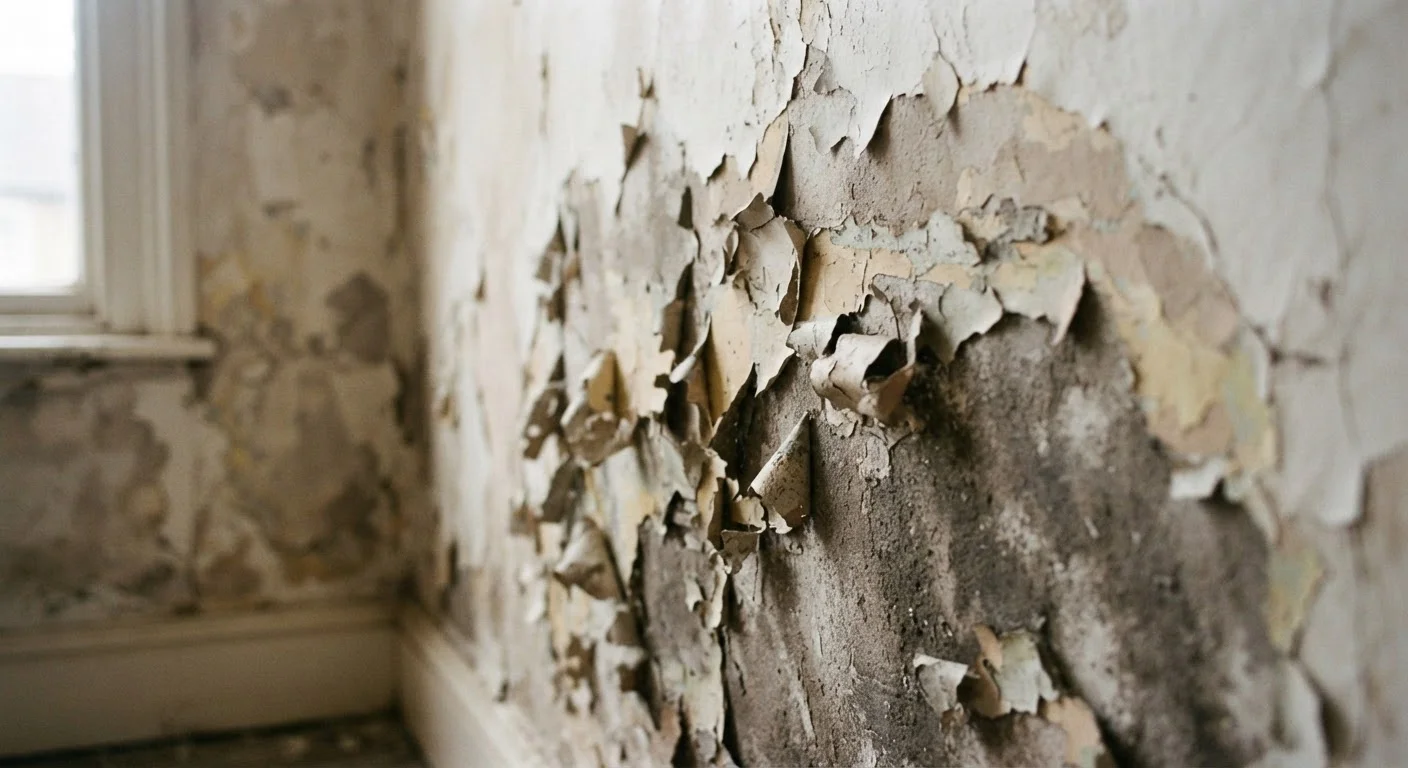
Photo credit: FaqInsider.com
In this article
Peeling paint is a symptom, not just a surface problem. Learn the real causes — moisture, adhesion failure, prep errors — and how to address each.
Key Takeaways
- Peeling paint is almost always a symptom of an underlying problem, not just surface wear.
- Moisture - from leaks, humidity, or condensation - is the leading cause of paint failure in homes.
- Skipping proper surface preparation before painting causes most adhesion failures.
- Applying the wrong paint type for the environment (bathroom, exterior, masonry) accelerates peeling.
- Fixing the root cause must come before repainting, or the problem will return quickly.
Why Paint Peels: The Real Story Behind the Surface
When paint peels, blisters, or flakes, it's easy to assume the paint itself is to blame. But in most cases, peeling paint is a symptom of a problem elsewhere - in the surface beneath, the environment around it, or decisions made before the first brushstroke. Understanding what's actually driving the failure is the only way to fix it for good.
The good news: the causes are predictable, and most are avoidable. Whether you're dealing with a bathroom ceiling that bubbles every spring or exterior trim that chips after a single season, the explanation almost always falls into a handful of well-understood categories. Peeling paint is one of several warning signs that your home may be trying to tell you something - learning to read it correctly saves time, money, and frustration.
90%
Of paint failures linked to surface prep
Industry painting professionals commonly estimate that the vast majority of coating failures trace back to inadequate surface preparation rather than paint quality.
50%
Of homes with elevated indoor humidity
The EPA has noted that excess indoor moisture is one of the most widespread and underrecognized problems in American homes, contributing to both structural and cosmetic damage.
The Most Common Mistakes That Lead to Peeling Paint
Most paint failures come down to a short list of repeated errors. Recognizing these patterns - and understanding why they happen - is the first step toward a repair that actually holds.
Skipping or rushing surface preparation before painting.
Why it happens: Prep work is tedious and invisible once paint goes on, so it's tempting to skip cleaning, sanding, or priming and jump straight to the color coat.
Ignoring an active moisture source before repainting.
Why it happens: Homeowners often focus on the visible symptom - the peeling paint - without investigating whether a leak, condensation problem, or high humidity is causing it.
Using the wrong paint type for the space or surface.
Why it happens: Many people use leftover interior flat paint everywhere, not realizing that bathrooms, kitchens, and exterior surfaces each require formulations built for moisture, temperature swings, or direct weather exposure.
Applying paint in poor temperature or humidity conditions.
Why it happens: Painting on a cold day or in high humidity feels the same as painting under ideal conditions - until the paint fails to cure properly and adhesion breaks down.
Applying paint too thickly in a single coat.
Why it happens: Trying to achieve full coverage in one pass seems efficient, but thick coats dry unevenly - the outer surface skins over while the interior stays wet, leading to cracking and peeling.
Peeling Paint Can Signal Hidden Moisture Damage
If paint is bubbling or peeling in areas near plumbing, windows, or exterior walls, the problem may extend far beyond the surface. Hidden moisture can fuel mold growth and structural decay inside walls. Before repainting, investigate the moisture source and address it fully. A licensed contractor or home inspector can help assess what's behind the wall if you're unsure.
If you see peeling in multiple areas of your home, particularly near exterior walls or plumbing, it may be worth a more systematic look at your home's condition. A home maintenance checklist approach can help you spot developing problems before they become expensive repairs.
Don't Paint Over Peeling Without Investigating First
Applying fresh paint directly over peeling sections - without removing loose material and correcting the underlying cause - will only delay the problem. The new layer will fail in the same spots, often faster. Always strip, clean, prime, and address root causes before recoating any surface.

Author
Home & Garden Editorial Team
Home & Garden Editorial Team is the collective byline for our editorial team and contributor network. Articles published under this byline or an editorial pen name are researched, written, and reviewed according to our editorial standards for clarity, consistency, and independence before publication.
View all articles →