
Reading Your Home's Warning Signs Before They Get Worse
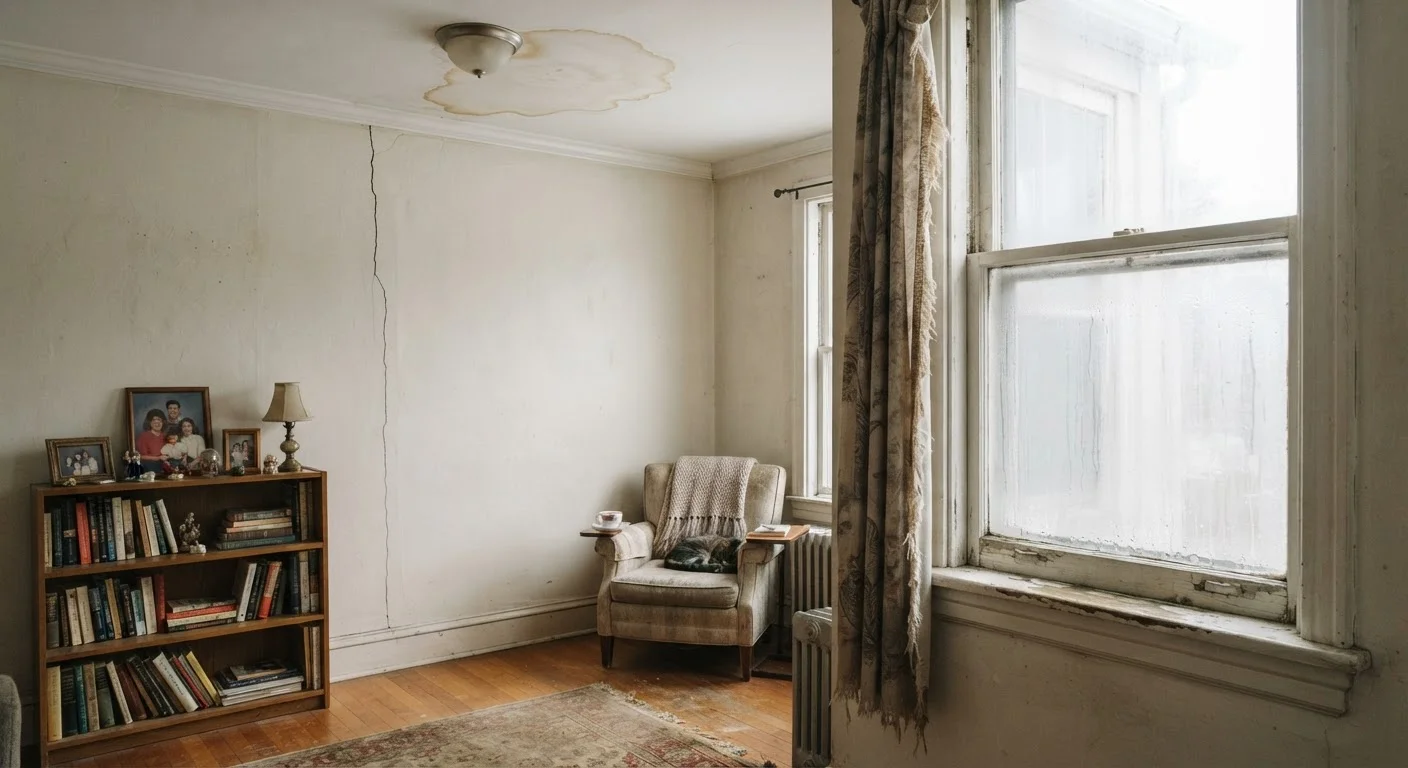
Photo credit: FaqInsider.com
In this article
Cracks, stains, drafts, and odd smells often signal underlying issues. Here's what common household warning signs actually mean.
Why Small Signs Deserve Serious Attention
Homes communicate constantly. A hairline crack, a musty smell, or a door that suddenly won't close right aren't just quirks - they're often the first readable signals of a developing problem. Catching them early is the difference between a minor fix and an expensive repair.
Think of your home the way you'd think about routine health checkups: addressing small changes before they escalate is far less disruptive than waiting for a full-blown emergency. This reference guide covers the most common household warning signs, what they typically indicate, and when it's time to bring in a professional.
| Crack width to watch | 1/4 inch or wider (General contractor guidance) |
| Rotten egg smell response | Evacuate; call utility from outside (U.S. natural gas safety guidance) |
| Most common ceiling stain cause | Plumbing leak or roof/flashing failure (General home inspection findings) |
| Efflorescence indicates | Moisture moving through masonry |
| Musty smell often signals | Mold or mildew presence (EPA indoor air quality guidance) |
| Permits often required for | Structural, electrical, plumbing repairs (Verify with local authority) |
Cracks: Which Ones Are Normal and Which Aren't
Not every crack signals a structural crisis. Paint and drywall expand and contract with seasonal temperature and humidity changes, producing fine hairline cracks at corners and seams. These are generally cosmetic.
What warrants closer attention:
- Diagonal cracks radiating from door or window corners - often indicate differential settlement, where one section of the foundation has shifted more than another.
- Horizontal cracks in basement or foundation walls - can signal lateral soil pressure and are among the more serious types. A licensed structural engineer should evaluate these.
- Stair-step cracks in brick or block - typically follow mortar joints and may indicate foundation movement.
- Cracks wider than 1/4 inch or that reappear after patching - suggest an ongoing, active cause rather than settled movement.
If you're preparing to sell and concerned a home inspector will flag these, see our guide to navigating a home inspection for context on how inspectors classify structural findings.
Differential Settlement
Uneven sinking of a home's foundation, where one section drops more than another. It can stress the structure and show up as diagonal cracks near windows and doors.
Efflorescence
White, chalky mineral deposits left on concrete or masonry surfaces when water moves through and evaporates. It signals moisture migration through the material.
P-Trap
The curved pipe section beneath sinks and floor drains that holds a small amount of water to block sewer gases from entering the home. Infrequently used drains can let this water evaporate.
Building Envelope
The physical barrier between the conditioned interior of a home and the outside - including walls, roof, windows, doors, and foundation. Gaps in the envelope allow air and moisture infiltration.
Water Hammer
A banging or knocking sound in plumbing pipes caused by a sudden pressure surge when water flow is abruptly stopped, often when a valve closes quickly.
Flashing
Thin strips of metal or other material installed around roof penetrations, chimneys, and wall-to-roof joints to direct water away and prevent leaks.
Water Stains, Moisture, and What's Behind Them
Brown or yellowish stains on ceilings and walls almost always mean water has traveled somewhere it shouldn't. The stain itself is rarely where the leak originates - water follows the path of least resistance before pooling and soaking through.
Common sources by location:
- Ceiling stains directly below a bathroom - grout failure, a wax ring on the toilet, or supply line leak above.
- Ceiling stains in upper floors without plumbing above - likely roof or flashing issues, especially near chimneys, valleys, and vents.
- Wall stains near windows - failed caulking, deteriorated flashing, or improper window installation.
- Basement wall staining or efflorescence (white mineral deposits) - groundwater pressure pushing through the foundation.
Moisture that goes unaddressed doesn't stay contained. Our explainer on what happens inside walls when moisture goes unchecked covers how mold, rot, and structural weakening develop from what starts as a small, hidden drip. For issues below grade, basement and crawl space moisture causes and prevention goes deeper on control strategies.
Odors, Drafts, and Sounds You Shouldn't Ignore
Your senses are underrated diagnostic tools. Unusual smells, unexpected cold spots, and out-of-place sounds each carry specific information.
Odors
- Rotten egg smell - associated with natural gas or sewer gas. Natural gas odors are an emergency: leave immediately and call your utility provider from outside. Sewer gas smells (usually localized to drains) may indicate a dry P-trap or a cracked vent pipe.
- Musty or earthy smell - strongly associated with mold or mildew, often in areas with poor ventilation or hidden moisture.
- Burning smell from outlets or switches - potential electrical issue; turn off the circuit and consult a licensed electrician.
Drafts and Energy Clues
A sudden spike in heating or cooling costs, or cold air near outlets and baseboards, often points to failing insulation, gaps in the building envelope, or a deteriorating seal around windows and doors. These issues are worth addressing both for comfort and long-term energy efficiency.
Sounds
- Banging pipes (water hammer) - pressure surge when valves close quickly; water hammer arrestors can mitigate this.
- Clicking or ticking near HVAC ducts - usually normal expansion and contraction, but persistent sounds may indicate loose ductwork.
- Creaking floors in new areas - may signal subflooring issues or shifting joists below.
For water-related sounds - dripping, running water when no fixtures are on - see diagnosing common household water issues before calling a plumber to help identify the source first.
Routine walkthroughs of your home - checking for these signals seasonally - are one of the most practical habits any homeowner can develop. The home improvement hub has additional guidance on maintenance tasks worth scheduling throughout the year.
This article is for general informational purposes only. For structural, electrical, gas, or plumbing concerns, consult a licensed professional and verify any permit or code requirements with your local authority having jurisdiction.

Author
Home & Garden Editorial Team
Home & Garden Editorial Team is the collective byline for our editorial team and contributor network. Articles published under this byline or an editorial pen name are researched, written, and reviewed according to our editorial standards for clarity, consistency, and independence before publication.
View all articles →