
Keeping Your HVAC System Running Efficiently All Year
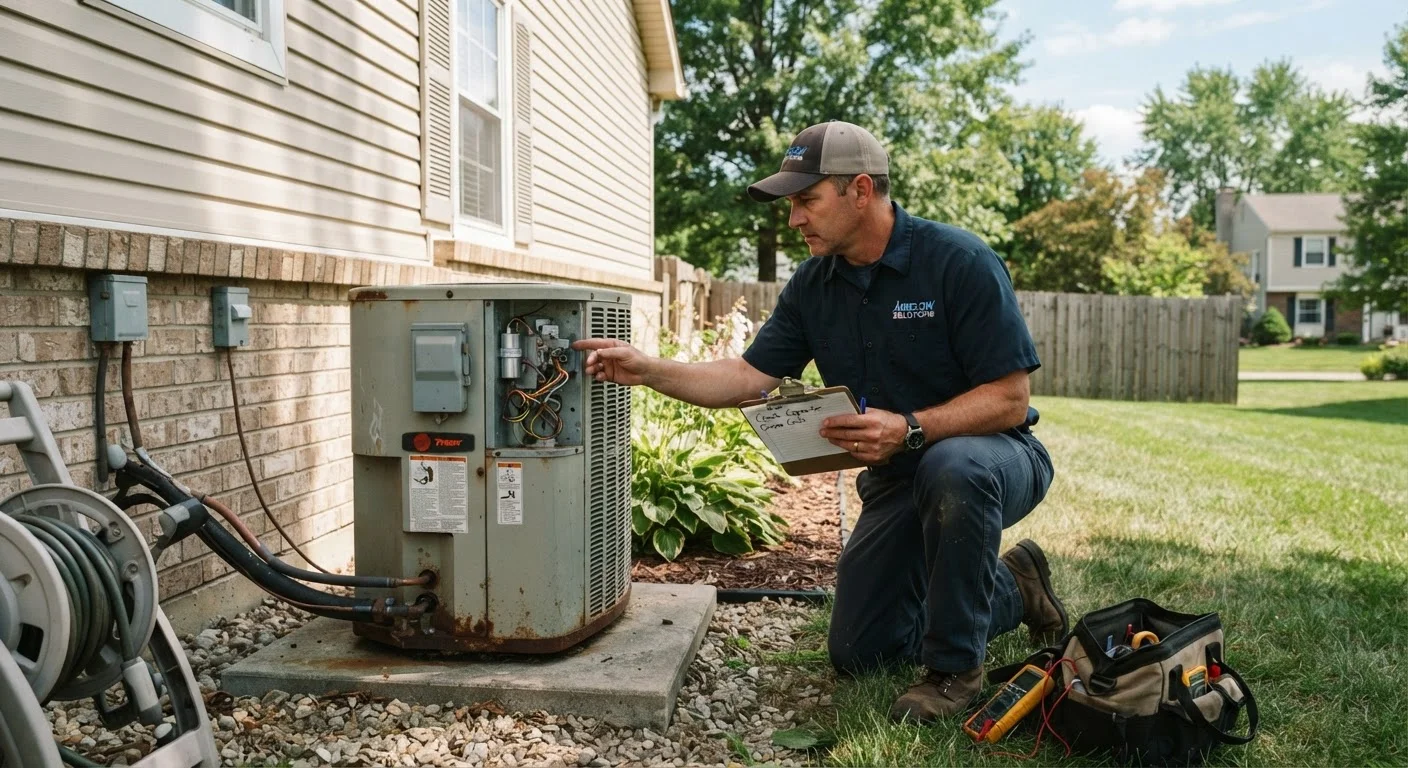
Photo credit: FaqInsider.com
In this article
Routine HVAC care extends equipment life and lowers energy bills. Here's what maintenance looks like across every season.
Key Takeaways
- Replacing air filters every 1-3 months is the single highest-impact HVAC maintenance task homeowners can do themselves.
- Scheduling professional tune-ups twice a year - spring and fall - keeps the system ready before peak demand seasons.
- Keeping the outdoor condenser unit clear of debris improves efficiency and reduces strain on the compressor.
- Sealing duct leaks and improving attic ventilation can meaningfully reduce energy loss throughout the system.
- Ignoring small symptoms like unusual noises or uneven cooling often leads to significantly more expensive repairs later.
Why Year-Round HVAC Maintenance Pays Off
Your heating and cooling system works harder than most homeowners realize. It runs through summer heat waves, winter freezes, and everything in between - often without a second thought until something goes wrong. The problem is that neglected systems don't just break down; they quietly become less efficient over time, driving up energy bills and shortening equipment life.
Routine maintenance is how you get ahead of that curve. Small, consistent actions - checking filters, clearing the outdoor unit, scheduling professional inspections - add up to meaningful savings and fewer emergency repair calls. This approach fits naturally into a broader home upkeep routine; see a month-by-month home maintenance calendar to see how HVAC care slots in alongside other seasonal tasks.
“The most cost-effective thing a homeowner can do for their HVAC system is simply not ignore it. Most major failures are preceded by warning signs that routine maintenance would have caught months earlier.”
— Building Science Expert, Residential energy efficiency researcher and educator
The Core Practices That Protect Your System
These recommended habits address the most common causes of HVAC inefficiency and premature failure. Most can be handled by homeowners; a few require a licensed HVAC technician.
Replace or inspect air filters every 1-3 months, depending on household conditions.
A clogged filter restricts airflow, forcing the system to work harder to move the same volume of air. This reduces efficiency, stresses the blower motor, and can cause the evaporator coil to freeze. Homes with pets, multiple occupants, or allergy sufferers typically need more frequent changes.
Keep the outdoor condenser unit clear of at least two feet of open space on all sides.
The condenser releases heat absorbed from inside your home. If shrubs, mulch, or debris crowd the unit, heat cannot dissipate properly, reducing efficiency and putting extra load on the compressor - one of the most expensive components to replace.
Schedule professional tune-ups twice a year - once in spring before cooling season and once in fall before heating season.
A trained technician checks refrigerant levels, inspects electrical connections, cleans coils, and tests safety controls - work that prevents small issues from becoming mid-season failures when your system is working its hardest.
Check and seal accessible duct connections to reduce conditioned air loss.
Studies by the U.S. Department of Energy suggest that duct leakage is a significant source of energy waste in many homes. Air escaping into unconditioned spaces like attics or crawlspaces means your system runs longer to compensate, raising bills unnecessarily.
Test and calibrate your thermostat at the start of each season.
An incorrectly reading thermostat causes the system to run too long or cycle off too early, wasting energy and creating inconsistent comfort. Smart or programmable thermostats can also be audited to confirm schedules still match household routines.
Seasonal Priorities at a Glance
Each season brings specific demands on your system. Spring and fall are the best times to schedule professional tune-ups - before air conditioning season and before heating season, respectively. Use shoulder months to handle the tasks below.
For a deeper look at the common mistakes homeowners make with filters, coils, and airflow, see what homeowners often get wrong about HVAC maintenance. And since attic conditions directly affect how hard your system works, attic ventilation basics are worth understanding too.
25-40%
Energy wasted through duct leakage in typical homes
The U.S. Department of Energy estimates that leaky ducts account for a substantial portion of heating and cooling energy loss in American homes.
5-15%
Efficiency drop from a clogged air filter
HVAC industry guidance consistently identifies dirty filters as a leading cause of preventable system inefficiency and elevated monthly energy costs.
When to Call a Professional
Some HVAC tasks - refrigerant handling, electrical component inspection, heat exchanger checks, and gas furnace servicing - should only be performed by a licensed HVAC technician. This isn't just a legal consideration; improper handling of refrigerants or gas systems poses real safety risks. If you notice any of the following, schedule a professional visit promptly:
- Unusual grinding, banging, or squealing sounds during operation
- Consistently uneven temperatures between rooms
- A sudden spike in energy bills with no obvious explanation
- Ice forming on the outdoor unit or refrigerant lines
- The system cycling on and off more frequently than usual (short-cycling)
Many utility companies and HVAC contractors offer maintenance agreements that cover seasonal tune-ups at a set annual cost - worth evaluating if you prefer predictable scheduling. Just verify what's included and what isn't before committing.
This article is for general informational purposes only. For tasks involving gas lines, electrical components, or refrigerants, always hire a qualified, licensed HVAC professional and verify any local permit or code requirements with your municipality.

Author
Home & Garden Editorial Team
Home & Garden Editorial Team is the collective byline for our editorial team and contributor network. Articles published under this byline or an editorial pen name are researched, written, and reviewed according to our editorial standards for clarity, consistency, and independence before publication.
View all articles →