
HVAC Filters, Coils, and Airflow: What Homeowners Often Get Wrong
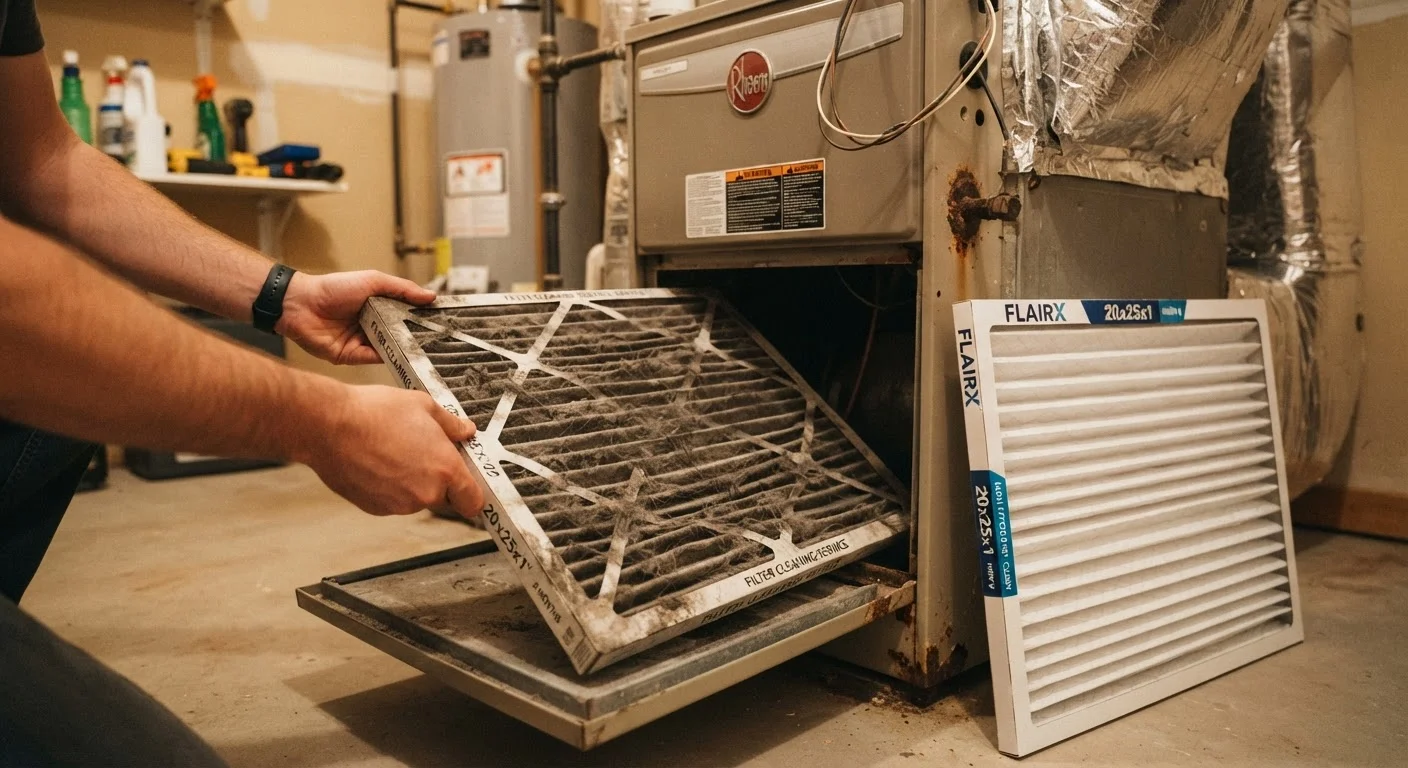
Photo credit: FaqInsider.com
In this article
Neglecting your heating and cooling system can shorten its life and spike energy bills. See which habits to drop and what to do instead.
Key Takeaways
- Using too-thick or high-MERV filters can restrict airflow and strain your HVAC system.
- Coil cleaning is often skipped, but dirty coils reduce efficiency and can cause equipment failure.
- Closed supply or return vents disrupt system balance and can raise energy costs.
- Filter change frequency should match your household's conditions, not a fixed universal schedule.
- Poor airflow symptoms - uneven temperatures, short cycling - are early warning signs worth investigating.
Why Routine HVAC Maintenance Gets Overlooked
Your heating and cooling system works largely out of sight - tucked in a closet, attic, or basement - which makes it easy to ignore until something goes wrong. Unlike a leaking faucet or a burnt-out light bulb, HVAC problems often develop slowly, through accumulated neglect rather than a single failure. The result is a system that runs less efficiently, costs more to operate, and wears out sooner than it should.
The good news is that most of the damage comes from a handful of repeated mistakes, not complicated technical failures. Understanding what those mistakes are - and why they happen - puts you in a much stronger position to protect one of the most expensive systems in your home. For a broader look at year-round care, see our seasonal HVAC maintenance guide.
5-15%
Energy savings from regular filter changes
The U.S. Department of Energy estimates that replacing a clogged air filter can lower an HVAC system's energy consumption by 5 to 15 percent.
25-40%
Of energy wasted through leaky ducts
According to ENERGY STAR, in a typical house roughly 25 to 40 percent of heating and cooling energy is lost through duct leaks, gaps, and poor connections.
Common HVAC Mistakes Homeowners Make
The following errors show up repeatedly in HVAC service calls. Each one is preventable once you understand the reasoning behind the correct approach.
Choosing the highest-MERV filter available and assuming it's the best option for your system.
Why it happens: Packaging often emphasizes particle-capture ratings, leading homeowners to equate a higher MERV number with better overall performance.
Changing filters on a fixed calendar schedule regardless of actual conditions in the home.
Why it happens: Generic advice to change filters every 90 days is widely circulated, but it doesn't account for pets, dusty construction nearby, or running the system heavily.
Neglecting the evaporator and condenser coils during routine maintenance.
Why it happens: Coils are hidden inside equipment cabinets and aren't visible during a quick filter swap, so most homeowners don't realize they need attention.
Closing supply or return vents to redirect airflow or 'balance' room temperatures manually.
Why it happens: It feels intuitive that blocking airflow to an unwanted room would push conditioned air elsewhere, but forced-air systems don't work that way.
Ignoring signs of poor airflow - uneven temperatures, weak output, or frequent short cycling - until a breakdown occurs.
Why it happens: These symptoms appear gradually, so homeowners adapt to them rather than treating them as early warning signs of a growing problem.
Don't Skip Professional Coil Cleaning
Evaporator and condenser coils require periodic professional cleaning that goes beyond what homeowners can safely or thoroughly accomplish on their own. Dirty coils force the compressor to work harder, shortening equipment life and raising energy bills significantly. Schedule a professional HVAC tune-up at least once a year - typically in spring before cooling season - to include a coil inspection and cleaning.
How Airflow Connects to the Rest of Your Home
HVAC performance doesn't happen in isolation. Your system's ability to move conditioned air efficiently is tied to how well your home's envelope - insulation, air sealing, windows, and attic - manages heat gain and loss. A well-sealed, properly insulated home puts far less demand on your HVAC equipment, which means filters stay cleaner longer and the system runs fewer cycles.
Closing Vents Creates More Problems Than It Solves
Many homeowners close supply vents in unused rooms thinking it saves energy. In reality, forced-air systems are designed and calibrated to push air through a specific number of openings. Closing vents raises static pressure inside the ductwork, which stresses the blower motor and can cause ducts to leak at seams. Leave supply vents open throughout the home and adjust comfort using a properly zoned thermostat if needed.
Attic conditions are particularly important. A poorly ventilated attic can push heat into living spaces in summer or allow moisture buildup in winter, forcing your HVAC to compensate. Our guide to attic insulation and ventilation explains how these systems interact and what proper balance looks like.
Similarly, duct leaks - often hidden inside walls or above ceilings - can undermine even a well-maintained HVAC system. If your energy bills seem high relative to usage, ask an HVAC technician about a duct pressure test as part of your next service visit. You may also find it useful to review common insulation mistakes to ensure your home's thermal envelope isn't quietly undermining your system's efficiency.

Author
Home & Garden Editorial Team
Home & Garden Editorial Team is the collective byline for our editorial team and contributor network. Articles published under this byline or an editorial pen name are researched, written, and reviewed according to our editorial standards for clarity, consistency, and independence before publication.
View all articles →