
Smoke Detectors, CO Alarms, and Safety Devices: A Homeowner's Reference
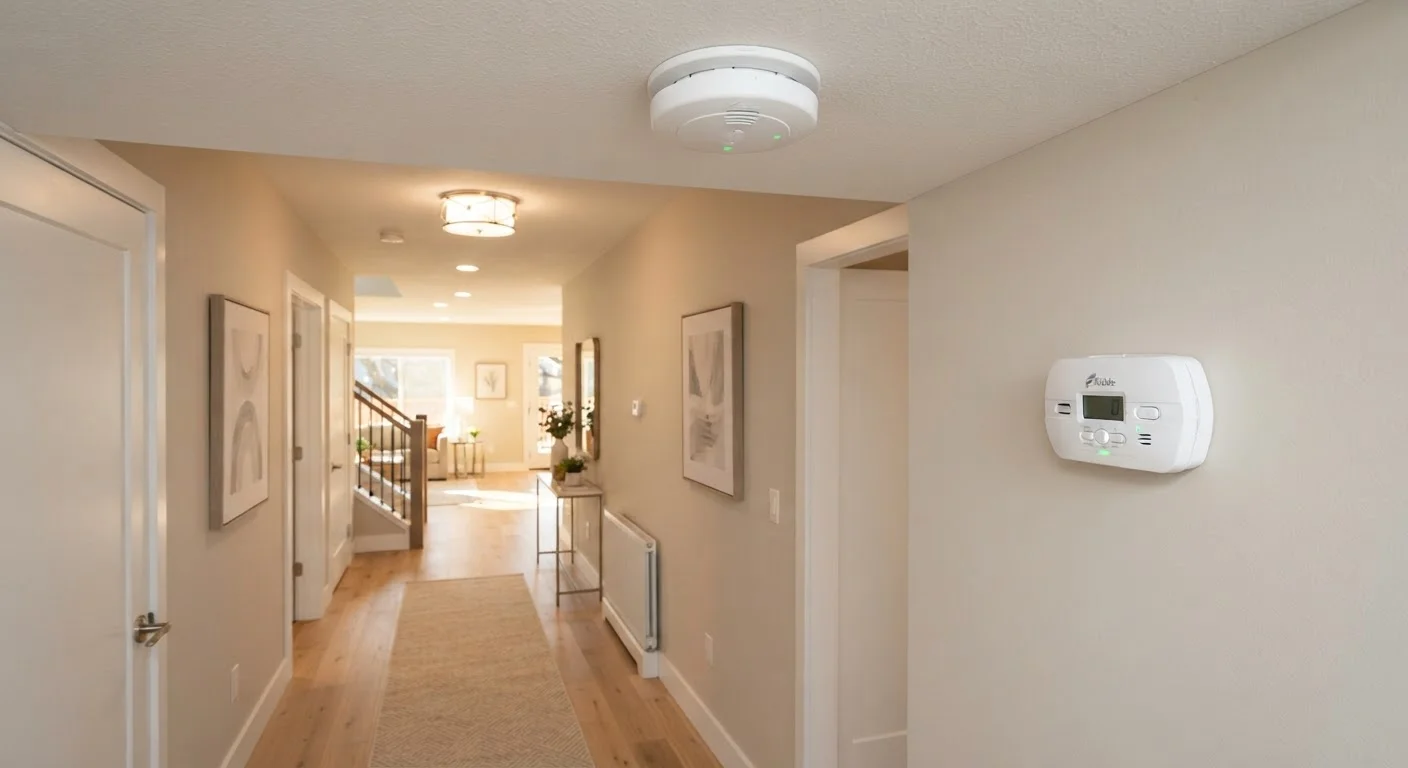
Photo credit: FaqInsider.com
In this article
Placement requirements, testing schedules, and replacement timelines for essential home safety devices, all in one reference.
Why These Devices Matter - and How to Keep Them Working
Smoke detectors, carbon monoxide (CO) alarms, and related safety devices are among the few home systems that can directly prevent loss of life. Yet many homeowners treat them as set-it-and-forget-it fixtures - missing battery replacements, skipping monthly tests, or leaving outdated units in place long past their service life.
This reference covers the core facts: where to place each device, how often to test it, and when to replace it. Think of it as a quick-lookup companion to the broader guidance in our complete homeowner's maintenance resource.
An important note on local codes: Placement and quantity requirements can vary by state and municipality. Always verify current requirements with your local fire marshal or building department, especially after a renovation. See our overview of permits and building codes for context on how these rules are enforced.
Placement, Testing, and Replacement at a Glance
Following consistent guidelines for each device type keeps your household protected and reduces the risk of a false sense of security from an expired or improperly sited unit.
Ionization smoke detector
A type of smoke alarm that uses a small amount of radioactive material to detect fast-flaming fires. These units generally respond quickly to open flames but may be slower to alert for slow, smoldering fires.
Photoelectric smoke detector
A type of smoke alarm that uses a light beam to detect smoke particles. These tend to respond more quickly to slow, smoldering fires and produce fewer nuisance alarms near kitchens.
Carbon monoxide (CO)
An odorless, colorless gas produced by the incomplete combustion of fuels such as gas, oil, wood, and coal. CO is toxic and can be life-threatening at elevated concentrations; it cannot be detected by smell or sight.
UL listing
A certification mark indicating that a safety device has been independently tested against established safety standards by Underwriters Laboratories. Look for this mark when evaluating any smoke, CO, or combination alarm.
Manufacture date
The date stamped or printed on the back or side of a safety device indicating when it was made. Replacement timelines are calculated from this date, not the date of installation.
Interconnected alarms
A system in which all smoke or CO alarms are wired or wirelessly linked so that when one triggers, all units in the home sound simultaneously. Many building codes require interconnection in new construction.
Smoke Detectors
- Where to place: Install on every level of the home, inside each bedroom, and outside each sleeping area. Mount on ceilings or high on walls (within 12 inches of the ceiling). Keep units at least 10 feet from cooking appliances to reduce nuisance alarms.
- How often to test: Press the test button at least once a month.
- Battery replacement: Replace batteries at least once a year - or when the low-battery chirp begins. Sealed, long-life battery models are designed to last 10 years alongside the unit itself.
- When to replace the unit: Every 10 years from the manufacture date printed on the back of the device.
Carbon Monoxide Alarms
- Where to place: On every level of the home and outside each separate sleeping area. CO is roughly the same density as air, so mid-wall placement (about 5 feet high) is generally effective, though ceiling mounting is also acceptable. Follow the manufacturer's instructions for your specific model.
- How often to test: At least once a month using the test button.
- When to replace the unit: Most CO alarms have a lifespan of 5-7 years. Check the manufacture date and your model's documentation - CO sensors degrade over time even if the alarm appears functional.
Combination Smoke/CO Alarms
Combination units detect both smoke and CO in a single device. They are subject to the same placement logic as individual alarms - place them outside sleeping areas on every level. Replace on the shorter of the two schedules: typically 7 years, though always confirm with the manufacture date on your specific unit.
Fire Extinguishers
- Where to place: At minimum, keep one in the kitchen and one per floor. Mount in a visible, accessible location - not inside a cabinet.
- How often to inspect: Check the pressure gauge monthly. Professionally inspect annually.
- When to replace or recharge: After any use (even partial). Most disposable extinguishers should be replaced every 12 years; rechargeable models should be hydrostatically tested every 6 years by a licensed service provider.
Hardwired vs. Battery-Only Units
Many homes built after the early 1990s have hardwired smoke detectors with battery backup. If yours are hardwired, a loss of power doesn't disable them - but you still need to replace the backup battery annually and replace the unit at the 10-year mark. If you are unsure whether your alarms are hardwired, check for a wire connection at the mounting bracket. Do not attempt to modify your home's electrical system yourself - consult a licensed electrician.
For a broader look at how home safety devices factor into a professional evaluation of your property, see what a home inspection covers. Inspectors routinely check for the presence and condition of life-safety devices.
Being proactive about these systems is also part of learning to read your home for early warning signs before small problems become emergencies.

Author
Home & Garden Editorial Team
Home & Garden Editorial Team is the collective byline for our editorial team and contributor network. Articles published under this byline or an editorial pen name are researched, written, and reviewed according to our editorial standards for clarity, consistency, and independence before publication.
View all articles →