
Navigating a Home Inspection: What Buyers Need to Know
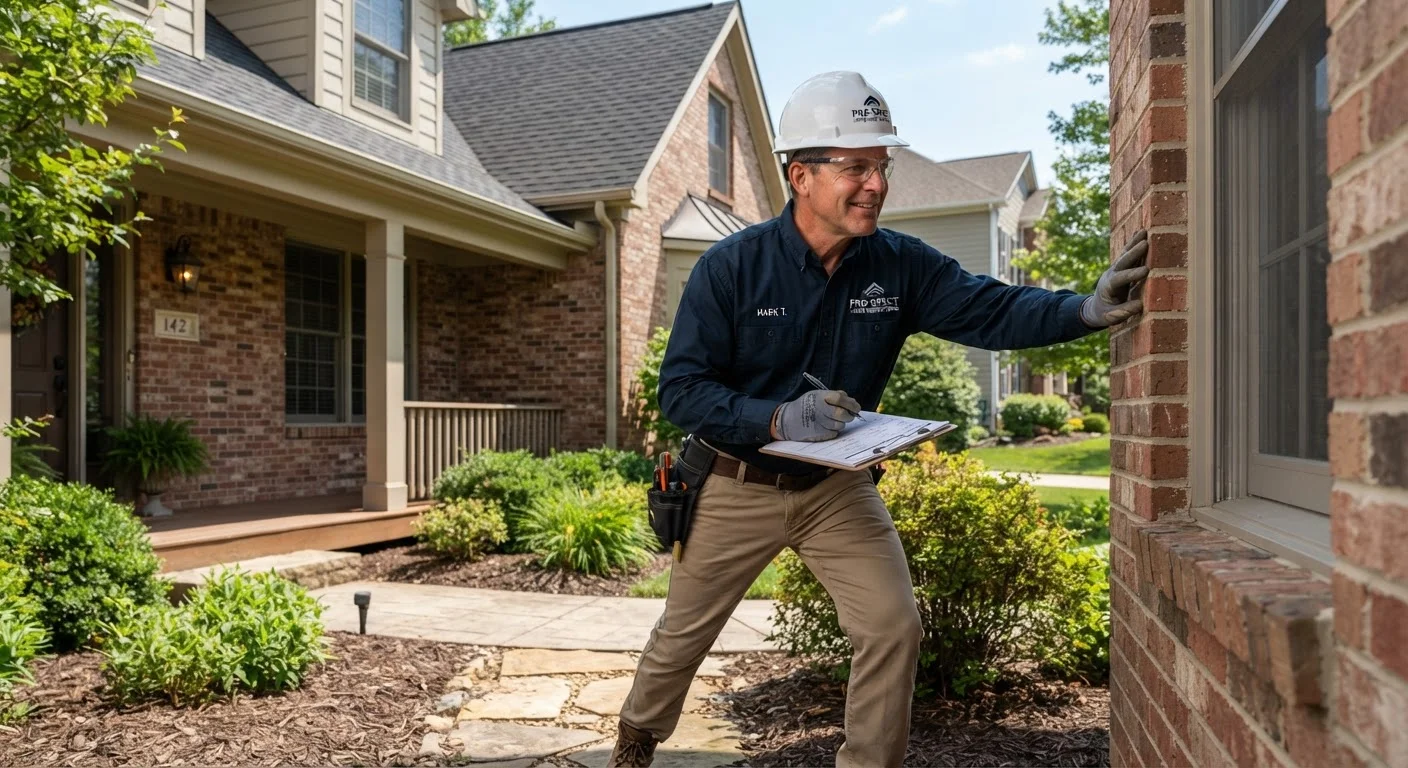
Photo credit: FaqInsider.com
In this article
What happens during a home inspection, which issues are serious, and how findings can affect your negotiating position.
Key Takeaways
- A home inspection is a visual assessment of a property's condition - not a pass/fail certification.
- Buyers should attend the inspection in person to ask questions and understand findings firsthand.
- Not all defects are equal; structural, safety, and system issues carry more weight than cosmetic flaws.
- Inspection findings can support price renegotiation or repair requests before closing.
- Specialized inspections for radon, mold, or sewer lines are separate from a standard inspection.
Why the Home Inspection Matters More Than Most Buyers Realize
For most buyers, a home represents the largest financial commitment of their lives. Yet the inspection - the primary opportunity to uncover material defects before ownership transfers - is sometimes treated as a formality. It is anything but. A thorough inspection can surface issues ranging from a deteriorating roof to outdated electrical wiring that creates a fire hazard, potentially saving tens of thousands of dollars in unexpected repairs.
If you're earlier in the process and want a broader picture of how inspection fits into the overall journey, our article on navigating the homebuying journey from scratch covers every major stage. You might also find it useful to review questions worth asking before you make an offer - some of those answers will shape what the inspector should pay particular attention to.
What you will need
Note that a home inspection is distinct from a building code inspection conducted by a municipality. To understand how those differ, permits, inspections, and code offers a useful orientation.
What Inspectors Assess and How to Respond
Follow the steps below to move through the inspection process with confidence - from hiring the right professional to using the report strategically at the negotiating table.
Licensed Home Inspector
Performs the visual assessment of the home's structure, systems, and components.
Notepad or Phone for Notes
Allows the buyer to record questions and observations during the walkthrough.
Flashlight
Useful for examining dark spaces like attics, crawl spaces, or utility closets alongside the inspector.
Specialist Inspector (e.g., structural engineer, radon tester)
Provides deeper evaluation when the general inspector flags a specific area of concern.
Hire a qualified, independent inspector
Choose a licensed home inspector with no financial relationship to the seller or listing agent. Many states license home inspectors and require minimum standards of practice - verify your inspector's credentials through your state's licensing board. Professional membership organizations such as ASHI (American Society of Home Inspectors) or InterNACHI publish standards of practice that reputable inspectors typically follow.
Request a sample report before hiring so you understand how findings will be presented.
Schedule the inspection promptly after going under contract
Most purchase contracts include an inspection contingency with a deadline - commonly 7 to 14 days after mutual acceptance. Missing this window can forfeit your right to back out or negotiate based on findings. Coordinate with your real estate agent to schedule as early as possible, and confirm the seller will provide full access to all areas, including attic, crawl space, and outbuildings.
Attend the inspection in person
Being present during the inspection - typically two to four hours depending on property size - gives you direct access to the inspector's observations in real time. Follow the inspector room by room when possible, and ask questions freely. Understanding the difference between a cracked caulk line and a foundation crack is far easier when a professional is standing next to you pointing it out.
Understand what the inspection covers - and what it doesn't
A standard home inspection is a visual, non-invasive assessment. Inspectors evaluate accessible components: roof, foundation, exterior, structural elements, electrical panel, plumbing, HVAC systems, insulation, windows, and doors. They do not open walls, move furniture, or test systems that are shut off.
Conditions requiring separate specialist inspections typically include:
- Radon gas levels
- Mold or indoor air quality
- Sewer line scope
- Wood-destroying insects (termites)
- Chimney interior condition
- Well water quality
Your general inspector will often flag areas where a specialist evaluation is advisable.
Review the written report carefully
Inspection reports typically run 30 to 60 pages and include photographs, descriptions of conditions, and recommendations. Focus first on items flagged as safety hazards or major defects - these include issues with the electrical system, evidence of active water intrusion, structural concerns, or failed HVAC equipment. Cosmetic issues like minor paint wear or small cracks in drywall are normal in most homes and carry far less urgency.
For deeper guidance on parsing a lengthy report, see our guide to reading a home inspection report without panicking.
Use findings to inform your negotiation
An inspection report is a negotiating tool, not just a document. Buyers can respond to material findings by requesting the seller make specific repairs prior to closing, asking for a price reduction to offset repair costs, or requesting a closing credit. Sellers are not obligated to agree to every item, and negotiations vary significantly by market conditions.
Focus your requests on safety issues and significant defects rather than a long list of minor items - a targeted approach is generally more effective and less likely to jeopardize the deal.
Decide whether to proceed, renegotiate, or walk away
If the seller does not adequately address serious findings, the inspection contingency in your contract typically allows you to withdraw and recover your earnest money within the agreed timeframe. This is a significant financial protection - understand the exact terms in your contract before your deadline passes. Consult your real estate agent and, where appropriate, a real estate attorney before making a final decision.
Don't Skip Specialized Inspections
A general home inspector will flag areas of concern but may not fully assess radon levels, sewer line condition, or active pest infestation. In many regions, these add-on inspections cost a few hundred dollars each and can prevent far more expensive surprises after closing. Ask your inspector which specialists they recommend based on the property's age, location, and visible conditions.
If the inspector raises concerns about structural elements, such as signs of an improperly modified wall, it may be worth understanding how load-bearing walls work before evaluating the severity. And if major repair work becomes part of the negotiation, our guide to reading a contractor bid can help you interpret the estimates you'll need.
This article is for general informational purposes only and does not constitute legal, financial, or real estate advice. Consult a licensed real estate professional and, where appropriate, a real estate attorney for guidance specific to your situation and jurisdiction.

Author
Real Estate Editorial Team
Real Estate Editorial Team is the collective byline for our editorial team and contributor network. Articles published under this byline or an editorial pen name are researched, written, and reviewed according to our editorial standards for clarity, consistency, and independence before publication.
View all articles →