
The Myths Homeowners Believe About Roof Maintenance
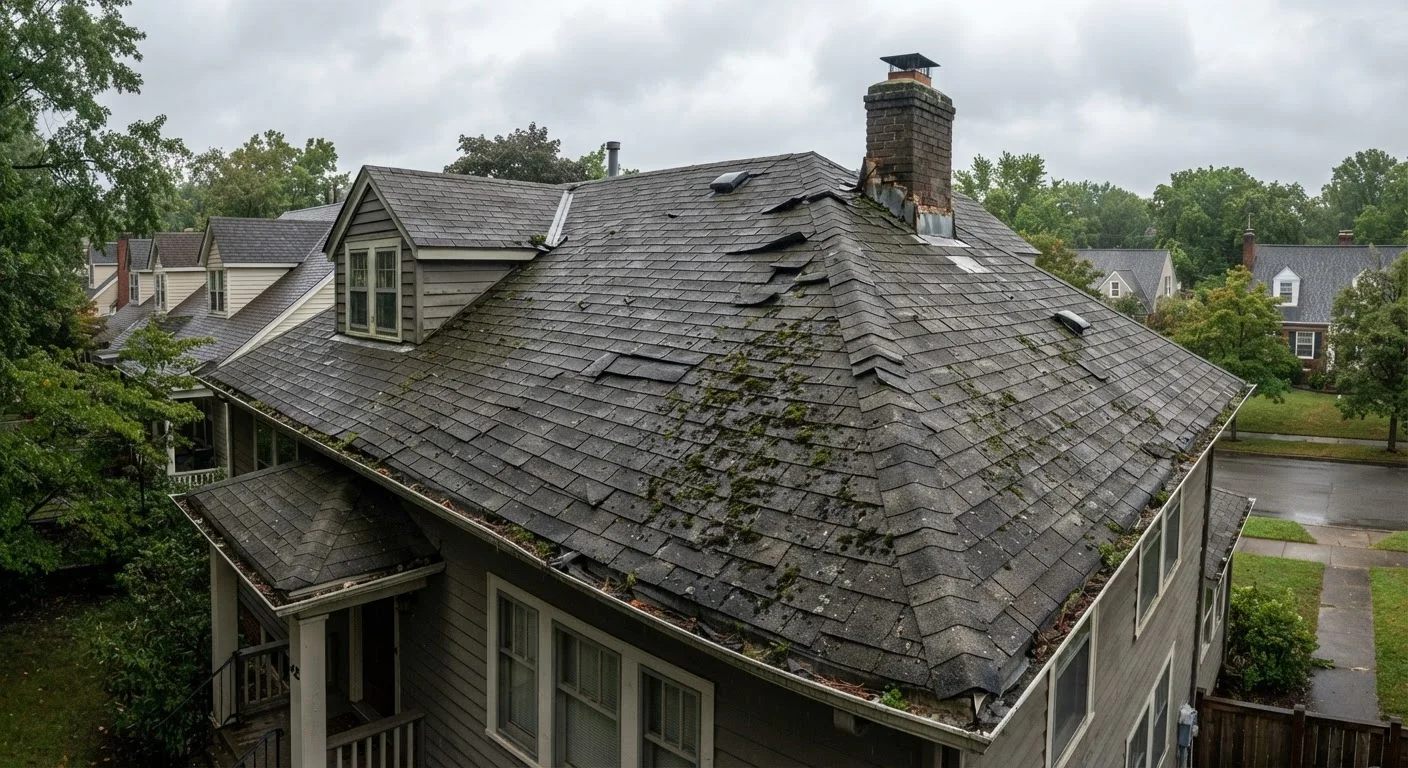
Photo credit: FaqInsider.com
From "new roofs need no attention" to "moss is harmless," common roof myths can lead to costly damage. Here's what the evidence actually shows.
Key Takeaways
- New roofs still require routine inspections - problems can develop within the first few years.
- Moss and algae cause real structural damage over time, not just cosmetic discoloration.
- Walking on your roof without training or proper equipment can crack shingles and void warranties.
- A ceiling stain often signals a leak that began feet away from where the water appears.
- Most roof warranties have conditions homeowners routinely unknowingly violate.
Why Roof Myths Are Especially Costly
No part of your home is more exposed to the elements - or more expensive to repair - than your roof. Yet roof maintenance is an area where misconceptions thrive. Homeowners often delay inspections, ignore early warning signs, or take well-meaning DIY shortcuts that cause more harm than good. The result is that small, manageable problems quietly escalate into structural damage. For a deeper look at that escalation process, see our article on how minor roof damage becomes major structural problems.
Separating roofing fact from fiction is the first step toward protecting your home. This article addresses the most widely held myths - and replaces them with what the evidence and roofing professionals actually support.
Myth
A new roof doesn't need any maintenance or inspections for at least ten years.
Fact
New roofs can develop problems within their first few years, often from improper installation, storm damage, or early flashing failures.
The idea that a new roof is problem-free for a decade leads many homeowners to skip inspections entirely. In reality, installation errors - misaligned shingles, inadequate underlayment, or poorly sealed flashing - may not be obvious at completion but create leak pathways within two or three years. A professional inspection roughly one year after installation is widely recommended by roofing associations to catch these issues while they're still under warranty.
Myth
Moss and algae on the roof are just cosmetic - they don't actually damage anything.
Fact
Moss and algae retain moisture against roofing materials, accelerating degradation of shingles and leading to rot in the underlying deck.
Moss is a particular concern because its root-like structures (rhizoids) can physically lift shingle edges, allowing water to penetrate beneath. Algae, while less mechanically damaging, produce staining and hold moisture. Both accelerate shingle granule loss and reduce the roof's reflective properties. Treatment by a qualified professional using appropriate low-pressure washing or approved biocidal solutions - never high-pressure washing, which strips granules - is the recommended approach.
Myth
If there's no water stain on the ceiling, the roof has no leaks.
Fact
Active leaks often travel along rafters or sheathing and can cause significant hidden damage long before any interior staining appears.
Water is remarkably good at traveling. A breach near a chimney might direct water along a rafter beam for several feet before dripping onto insulation in the attic - where it can silently promote mold growth and rot structural decking for months. By the time a ceiling stain becomes visible, the underlying damage may already be extensive. Periodic attic inspections, especially after heavy rain, are a more reliable indicator of roof integrity than interior walls and ceilings alone.
Myth
You can safely walk across any roof to inspect or clean it yourself.
Fact
Walking on a roof without proper training, footwear, and safety equipment can crack or dislodge shingles and poses a serious fall risk.
Asphalt shingles are particularly vulnerable to foot traffic, especially in cold temperatures when they become brittle. Concentrated foot pressure can break the seal strips between shingles or crack the shingle itself. Beyond material damage, roofs are a leading cause of serious fall injuries during DIY home projects. Most manufacturers' warranties also specify that damage caused by improper foot traffic is not covered. For anything beyond ground-level visual inspection with binoculars, a licensed roofing contractor is the safer and often more cost-effective choice.
Myth
All roofing warranties cover the full cost of repairs for the stated lifespan of the roof.
Fact
Most roofing warranties are prorated, contain significant exclusions, and can be voided by actions the homeowner may not realize are prohibited.
There are typically two separate warranties on a roof: the manufacturer's material warranty and the contractor's workmanship warranty. Material warranties are often prorated - meaning coverage decreases significantly as the roof ages. They commonly exclude damage from improper ventilation, unauthorized repairs, pressure washing, or the application of unapproved coatings. Workmanship warranties vary widely by contractor. Reading both documents carefully and keeping records of any work performed is essential to preserving coverage.
Myth
A roof only needs replacing when it starts leaking.
Fact
By the time a roof leaks, significant underlying deterioration has usually already occurred - replacement or major repair is often more costly at that stage.
Waiting for a leak to appear is a reactive - and expensive - strategy. Shingle granule loss, cracked caulking around penetrations, and deteriorated flashing are all warning signs that can be caught in routine inspections years before a leak develops. Addressing these proactively is almost always less costly than replacing decking and insulation damaged by prolonged moisture exposure. Roofing professionals generally evaluate remaining service life based on shingle condition, not the presence of active leaks.
Practical Steps After Clearing Up the Myths
Correcting these misconceptions is useful only if it leads to better habits. Here's what routine, evidence-based roof care actually looks like:
- Schedule professional inspections. Most roofing professionals recommend an inspection at least once a year, plus one following any major storm. An inspector can spot lifted flashing, cracked sealant, and early moss growth before they become structural concerns.
- Keep gutters clear. Blocked gutters trap water against the fascia and can force moisture under the roof edge - a common and preventable cause of rot.
- Trim overhanging branches. Limbs that hang over the roof deposit debris, encourage moss growth, and become a hazard in high winds.
- Document your warranty. Read the warranty terms before any contractor or product is applied to your roof. Some treatments or DIY work can void coverage without you realizing it.
- Address flashing early. Flashing - the metal strips sealing roof joints around chimneys, skylights, and vents - is the most common leak point. Damaged flashing should be repaired promptly by a licensed roofer.
Avoid Pressure Washing Your Roof
High-pressure washing strips the protective granules from asphalt shingles, significantly shortening their lifespan. It can also force water under shingles and void your manufacturer's warranty. If moss or algae removal is needed, consult a roofing professional about low-pressure or chemical treatment options appropriate for your roof type.
The same critical thinking that applies to roof myths applies across your home. Our piece on plumbing maintenance myths that cost homeowners money covers similar misconceptions in another high-stakes area of your home.

Author
Home & Garden Editorial Team
Home & Garden Editorial Team is the collective byline for our editorial team and contributor network. Articles published under this byline or an editorial pen name are researched, written, and reviewed according to our editorial standards for clarity, consistency, and independence before publication.
View all articles →