
Why Small Roof Issues Become Expensive Disasters
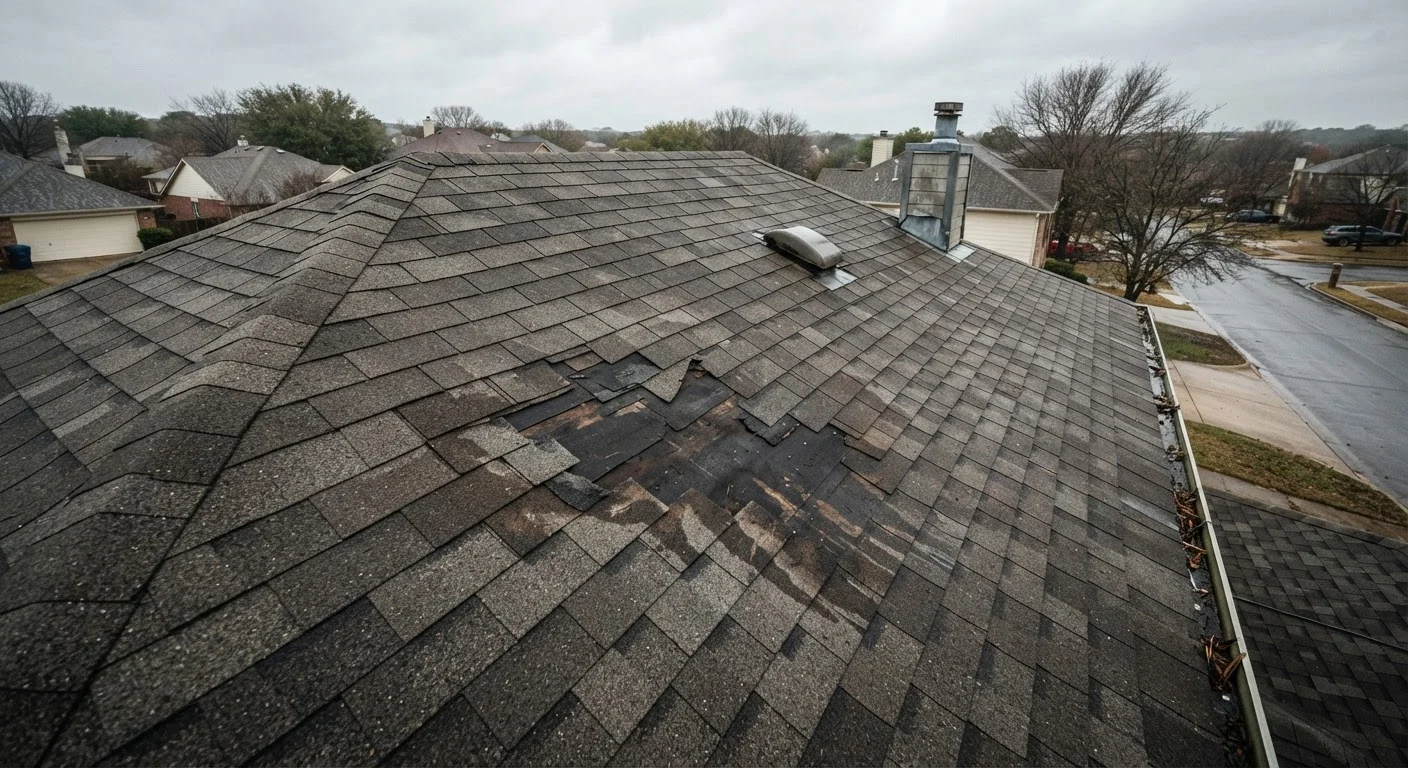
Photo credit: FaqInsider.com
In this article
Learn how minor roof damage escalates into major structural problems—and what routine inspections can realistically prevent.
Key Takeaways
- Small roof damage rarely stays small - water intrusion spreads quickly through layered roofing systems.
- Most serious roof failures trace back to a minor issue that went unnoticed or unrepaired for months or years.
- Routine inspections twice a year can catch problems while they are still inexpensive to address.
- Interior signs like ceiling stains or musty odors often indicate roof damage that has already progressed significantly.
- Clogged gutters and poor drainage accelerate roof deterioration even when shingles appear intact.
How a Minor Breach Becomes a Major Problem
A single cracked shingle or a small gap in roof flashing may look insignificant from the driveway. But roofing systems don't function as solid barriers - they're layered assemblies where each component depends on the one above it. Once that outer defense is breached, water doesn't stay put. It follows the path of least resistance, spreading laterally across the roof deck and seeping downward through underlayment, insulation, and eventually into your home's framing.
The compounding factor is time. A fresh breach is contained and inexpensive to patch. But water exposure begins degrading wood within days in humid conditions, and organic materials like OSB (oriented strand board) sheathing lose structural integrity faster than most homeowners realize. By the time a stain appears on your ceiling, the damage overhead is typically far more extensive than the visible spot suggests.
~40%
Of homeowners insurance claims involve water damage
Water-related claims, including those originating at the roof, consistently rank among the most common and costly homeowners insurance claims filed in the U.S.
24-48 hrs
Time for mold to begin growing after sustained moisture
According to the U.S. Environmental Protection Agency, mold can begin developing on wet building materials within 24 to 48 hours under typical indoor conditions.
5-10x
Cost multiplier when small leaks go unrepaired
Industry roofing guides commonly note that water intrusion left unaddressed can multiply repair costs several times over compared to fixing the original breach promptly.
Understanding this progression isn't meant to alarm - it's meant to reframe how homeowners think about roof maintenance. A small investment of time and money now reliably prevents a large, disruptive expense later. This is explored further in our article on the real costs of deferred home maintenance.
The Most Common Small Problems That Escalate
Certain roof issues account for the vast majority of preventable escalations. Recognizing them early is the first line of defense.
- Missing or damaged shingles: Wind and hail routinely dislodge or crack individual shingles. Each missing shingle exposes the underlayment below to UV degradation and moisture, accelerating its failure.
- Flashing failures: Metal flashing seals the joints where the roof meets chimneys, vents, skylights, and walls. When flashing corrodes, separates, or is improperly installed, water channels directly into those vulnerable seams - often without any obvious exterior sign.
- Granule loss: Asphalt shingles rely on granules for UV protection. Heavy granule loss - visible as grit collecting in gutters - signals shingles nearing the end of their protective life.
- Clogged gutters: Gutters that can't drain properly allow water to back up against the roof edge, causing what's called ice damming in cold climates and saturating the fascia and soffit year-round. Our guide on gutters, downspouts, and water damage explains this connection in detail.
- Poor attic ventilation: Excess heat and moisture trapped in an attic degrade shingles from below, warp the roof deck, and promote mold growth independent of any exterior breach.
Inspect Your Attic After Heavy Rain
You don't need to climb onto the roof to get meaningful information. On the day after a significant rainstorm, take a flashlight into the attic and look for any daylight filtering through the roof deck, wet spots on insulation, or dark staining on the underside of the sheathing. Catching moisture intrusion at this stage - before it reaches living spaces - gives you the best chance of a low-cost repair.
What Routine Inspection Can Realistically Prevent
Twice-yearly inspections - one in spring to assess winter damage and one in fall before cold weather arrives - catch the majority of small issues before they compound. An effective inspection doesn't require climbing onto the roof. From the ground, binoculars can reveal lifted, curling, or missing shingles. Inside the attic, a flashlight check after rain can reveal daylight penetration, wet insulation, or early mold on the underside of the sheathing.
Keeping a simple written log of each inspection - noting any areas of concern, repairs made, and the approximate age of roofing materials - helps homeowners track deterioration over time and make informed decisions about repair versus full replacement. It also provides documentation that can be useful when filing insurance claims or selling the home.
For a broader framework on catching home problems early, see our guide to reading your home like a checklist. The Home Improvement hub also covers repair and renovation decisions in depth.
Frequently Asked Questions

Author
Home & Garden Editorial Team
Home & Garden Editorial Team is the collective byline for our editorial team and contributor network. Articles published under this byline or an editorial pen name are researched, written, and reviewed according to our editorial standards for clarity, consistency, and independence before publication.
View all articles →